
 EN
EN
 ar
ar bg
bg hr
hr cs
cs da
da nl
nl fi
fi fr
fr de
de el
el hi
hi it
it ko
ko no
no pl
pl pt
pt ro
ro ru
ru es
es sv
sv tl
tl iw
iw id
id lv
lv lt
lt sr
sr sk
sk sl
sl uk
uk vi
vi et
et hu
hu th
th tr
tr fa
fa ms
ms hy
hy ka
ka ur
ur bn
bn mn
mn ta
ta kk
kk uz
uz ku
ku
Corrosionresistant Hydrological Cable
The JMZX-XPX test dedicated shielded wire is built for measurement tasks where the signal path passes through electrically busy work areas. Its composite shielding helps resist EMI and RFI, while high insulation and pressure resistance support precise sensor transmission in harsh environments. This makes it useful during commissioning, temporary testing, cabinet-to-sensor wiring, and routes near pumps, motors, welding areas, or power cabinets. The important feature is not length alone; it is the ability to keep a weak measurement channel readable when the surrounding site is noisy.
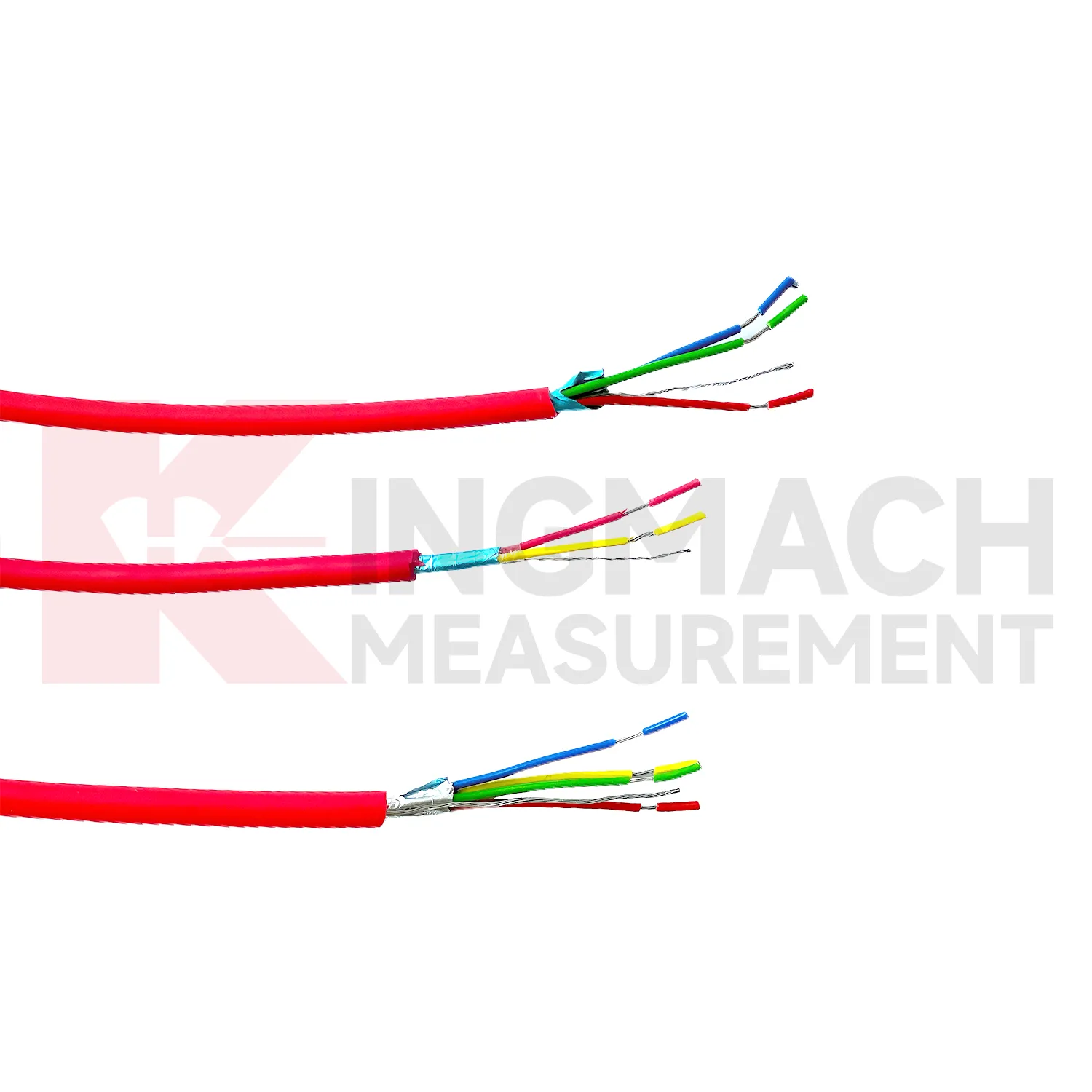
Application of Corrosionresistant Hydrological Cable
Tunnel projects use Kingmach Corrosionresistant Hydrological Cable where sensor routes may run along walls, through cabinets, across wet sections, or near construction equipment. During excavation, lining monitoring, or operation, cable routes can face dust, vibration, dripping water, and accidental pulling. JMZX-XPX supports stable signal transmission for precise sensor readings in noisy areas, while JMZX-XSX helps in damp or water-affected sections. Proper route fixation and end sealing reduce intermittent faults that may otherwise appear as lining movement, deformation, or instrument failure.
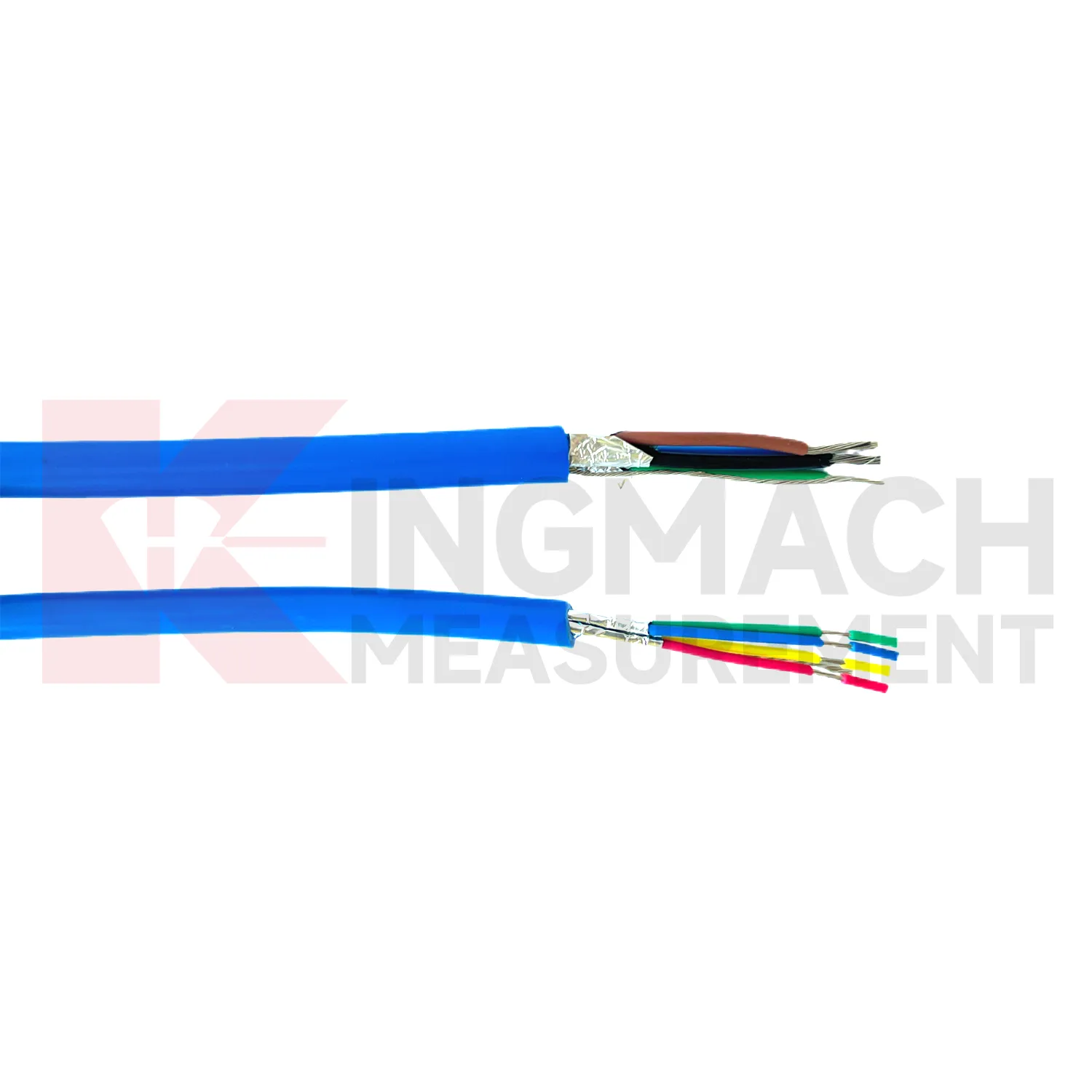
The future of Corrosionresistant Hydrological Cable
As IoT monitoring grows, Kingmach Corrosionresistant Hydrological Cable will support denser sensor layouts and more cabinet connections. A site may place many instruments around one structure, with data moving through acquisition modules, DTUs, gateways, and cloud platforms. The cable route has to remain orderly so technicians can trace channels when the online system reports abnormal data. Multi-core options, cable markings, and consistent installation records will become more important as monitoring networks move from small projects to long-running asset programs.
Care & Maintenance of Corrosionresistant Hydrological Cable
Inspect Kingmach Corrosionresistant Hydrological Cable after construction activity near the route. Excavation, welding, drilling, formwork movement, equipment relocation, and temporary power installation can all damage cable or change interference conditions. The inspection should cover sheath cuts, crushed sections, loose ties, connector strain, cabinet entry sealing, and changed proximity to power lines. If data changed around the same date as site work, check the cable path before treating the change as a structural trend.
Kingmach Corrosionresistant Hydrological Cable
For procurement teams, Kingmach Corrosionresistant Hydrological Cable turn the bill of materials into something installers can actually use. Before purchase, the team should compare the monitoring drawings with cabinet locations, instrument terminals, expected spare conductors, and access limits on the structure. A bridge deck run, a tunnel gallery run, and a dam seepage gallery run do not create the same cable demand. JMZX-XPX suits clean signal work near possible EMI or RFI, while JMZX-XSX fits wet hydraulic routes with sealing and pulling stress. Ordering from this route map reduces cut-to-fit improvisation and makes acceptance testing smoother.
FAQ
Q: Which core counts are available?
A: The listed options include two-core, three-core, four-core, six-core, seven-core, nine-core, and ten-core versions.
Q: What delivery lengths are shown in the local product data?
A: Two-core to four-core versions are listed as 2 m per piece, while six-core to ten-core versions are listed as 6 m per piece.
Q: Why does shielding matter?
A: Shielding helps reduce electrical interference so weak sensor signals can reach the recorder with less noise.
Q: Why does water resistance matter?
A: Wet cable sections can cause unstable readings or equipment faults if insulation, sealing, and terminations are not handled correctly.
Q: Can the cables be used with different Kingmach instruments?
A: Yes. The category is described as compatible with various monitoring instruments and supports installation, maintenance, and upgrades.
Reviews
David Wilson
We purchased displacement transducers and settlement sensors, and the quality exceeded our expectations. Easy installation and reliable performance.
Matthew Garcia
Instrumentation cables are durable and perform well even in harsh environments. Will definitely order again.
Latest Inquiries
To protect the privacy of our buyers, only public service email domains like Gmail, Yahoo, and MSN will be displayed. Additionally, only a limited portion of the inquiry content will be shown.
Sophia***@gmail.comUnited Kingdom
Good day, we need environmental monitoring sensors including temperature, humidity, and wind sensors...
Olivia***@gmail.comUnited States
Hello, we are currently sourcing high-precision strain gauges and load cells for a bridge monitoring...