
 EN
EN
 ar
ar bg
bg hr
hr cs
cs da
da nl
nl fi
fi fr
fr de
de el
el hi
hi it
it ko
ko no
no pl
pl pt
pt ro
ro ru
ru es
es sv
sv tl
tl iw
iw id
id lv
lv lt
lt sr
sr sk
sk sl
sl uk
uk vi
vi et
et hu
hu th
th tr
tr fa
fa ms
ms hy
hy ka
ka ur
ur bn
bn mn
mn ta
ta kk
kk uz
uz ku
ku
Signal Cables
The JMZX-XSX hydraulic cable is intended for wet engineering environments where cable sealing and mechanical strength are part of data reliability. Its multi-layer sealing and water-resistant insulation help the cable transmit power or signal lines in underwater, humid, or splash-prone locations. The product also offers stronger waterproof and tensile properties than standard test wiring, making it suitable for hydraulic structures, galleries, water-level monitoring areas, and other damp routes. Core options mirror the shielded test cable family, allowing the wiring plan to stay organized when several channels must pass through one cable route.
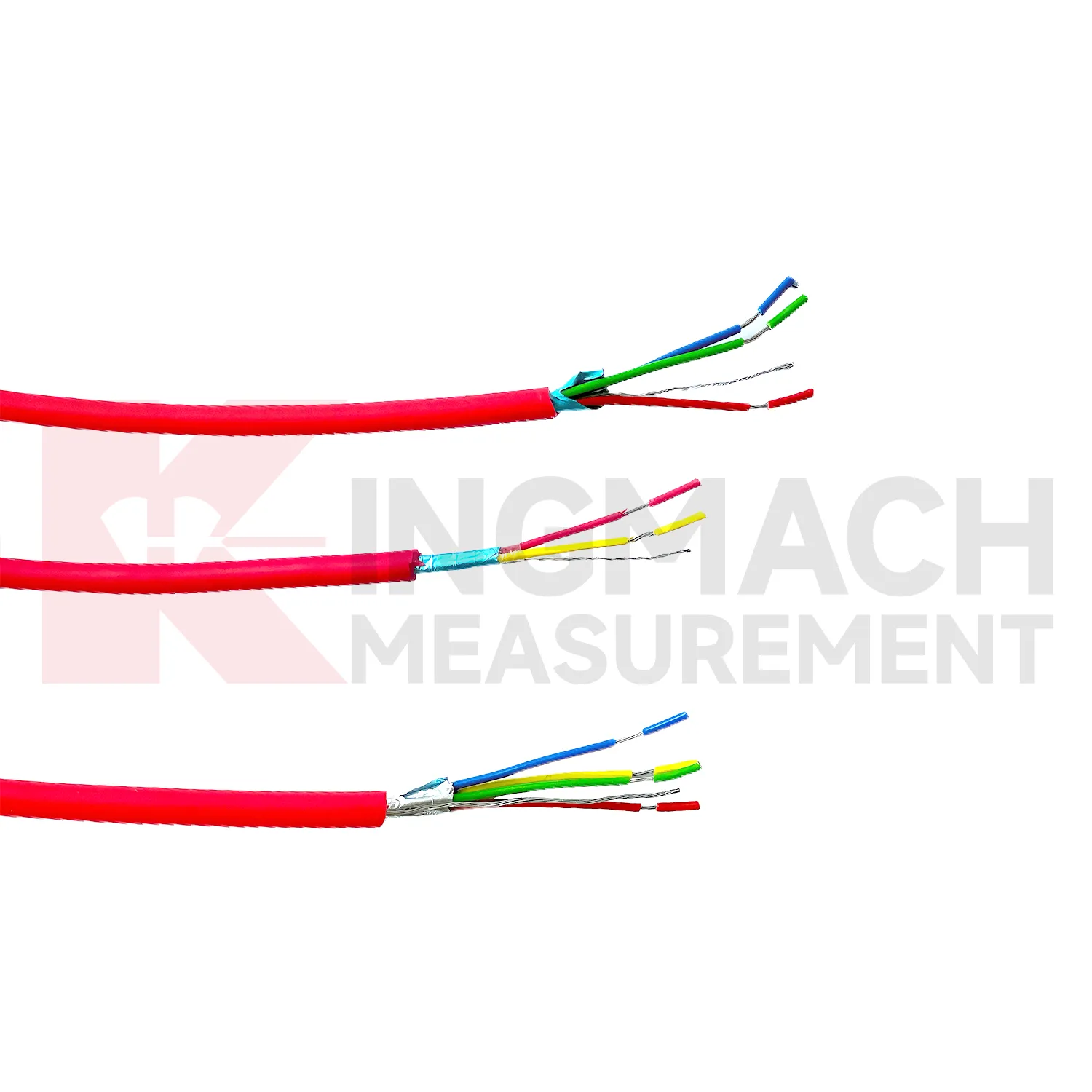
Application of Signal Cables
Building and foundation pit monitoring uses Kingmach Signal Cables to keep sensor signals stable in busy construction environments. Cable routes may pass near cranes, temporary power boxes, welding zones, pumps, and moving workers. Shielded test cable helps reduce noise pickup from equipment, while durable cable sheathing helps protect against abrasion and accidental contact. For foundation pits, damp soil, groundwater control, and frequent layout changes make cable protection especially important. A tidy route with tags, conduit, and cabinet records prevents later confusion when settlement, tilt, strain, or support force data needs review.
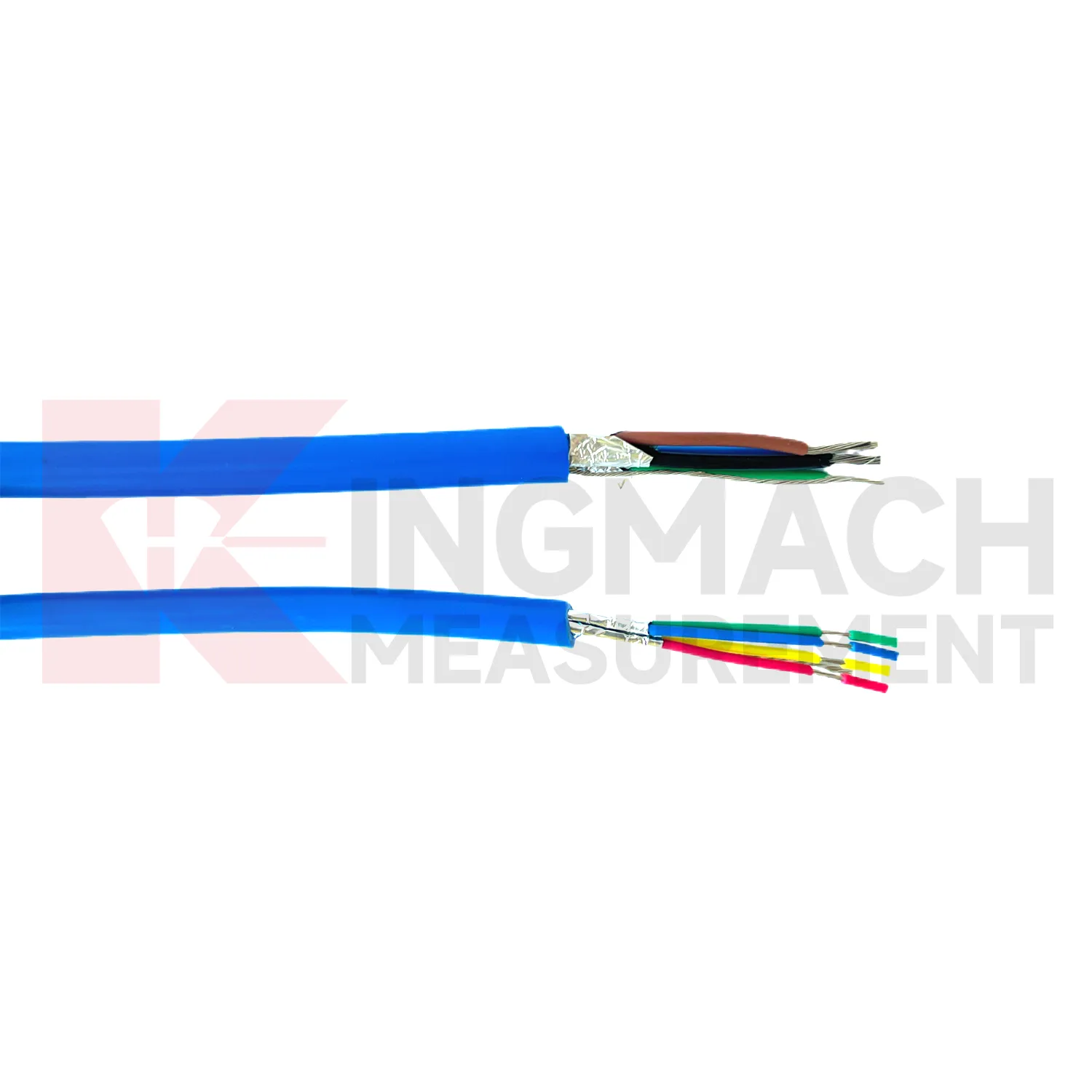
The future of Signal Cables
Standardized project records will shape the future use of Kingmach Signal Cables. Owners and engineering firms will expect handover files to include cable type, core count, route drawing, cabinet entry, connector status, and commissioning data. This level of detail makes later audits easier and supports cross-site comparison. When every monitoring point has a traceable cable history, the team can respond faster to alarms, replacement work, and system expansion without losing confidence in old data.
Care & Maintenance of Signal Cables
Inspect Kingmach Signal Cables after construction activity near the route. Excavation, welding, drilling, formwork movement, equipment relocation, and temporary power installation can all damage cable or change interference conditions. The inspection should cover sheath cuts, crushed sections, loose ties, connector strain, cabinet entry sealing, and changed proximity to power lines. If data changed around the same date as site work, check the cable path before treating the change as a structural trend.
Kingmach Signal Cables
A reliable monitoring chain needs Kingmach Signal Cables because sensor signals often travel through harsh physical zones before reaching a recorder. The cable may cross a bridge deck, run along a tunnel wall, pass through a wet gallery, sit near a pump room, or bend into a sealed cabinet. Each section adds risk: abrasion, pulling force, water entry, electromagnetic noise, or accidental damage during maintenance work. JMZX-XPX focuses on low-loss shielded transmission for precise testing. JMZX-XSX focuses on hydraulic environments where pressure resistance, tensile strength, and water resistance carry more weight. Matching those roles keeps field data closer to the real sensor output.
FAQ
Q: What are Kingmach Signal Cables used for?
A: They connect monitoring sensors, acquisition equipment, cabinets, and data recorders while helping protect signal transmission in demanding field environments.
Q: Which cable models are listed in this category?
A: The local product pages list test dedicated shielded wire JMZX-XPX and hydraulic cable JMZX-XSX.
Q: What is JMZX-XPX designed for?
A: It is a shielded test wire with composite shielding for low-loss sensor signal transmission and resistance to EMI and RFI.
Q: What is JMZX-XSX designed for?
A: It is a hydraulic engineering cable with multi-layer sealing and water-resistant insulation for humid, underwater, or wet routes.
Q: Where are these cables commonly applied?
A: They are used in bridges, tunnels, slopes, buildings, dams, foundation pits, railways, hydraulic works, and mixed monitoring systems.
Reviews
Robert Taylor
The weir flow meter is well-built and delivers accurate measurements. Great value for water management applications.
Christopher Martinez
Very satisfied with the readouts & data loggers. User-friendly interface and supports multiple sensor inputs.
Latest Inquiries
To protect the privacy of our buyers, only public service email domains like Gmail, Yahoo, and MSN will be displayed. Additionally, only a limited portion of the inquiry content will be shown.
Sophia***@gmail.comUnited Kingdom
Good day, we need environmental monitoring sensors including temperature, humidity, and wind sensors...
Isabella***@gmail.comGermany
Hello, we are evaluating weir flow meters for a water management project. Please share accuracy deta...
Related product categories
- Hydraulic cable
- Instrumentation Cables
- Sensor Cables
- Twisted Pair Shielded Test Cable
- Doublelayer Shielded Test Cable
- Triplelayer Shielded Test Cable
- Singlelayer Shielded Test Cable
- Multicore Shielded Test Cable
- 2core / 4core / 6core / 8core Hydrological Cable
- Corrosionresistant Hydrological Cable
- Shielded Hydrological Cable
- Multicore Hydrological Cable