
 EN
EN
 ar
ar bg
bg hr
hr cs
cs da
da nl
nl fi
fi fr
fr de
de el
el hi
hi it
it ko
ko no
no pl
pl pt
pt ro
ro ru
ru es
es sv
sv tl
tl iw
iw id
id lv
lv lt
lt sr
sr sk
sk sl
sl uk
uk vi
vi et
et hu
hu th
th tr
tr fa
fa ms
ms hy
hy ka
ka ur
ur bn
bn mn
mn ta
ta kk
kk uz
uz ku
ku
Smart Weir Flow Meter
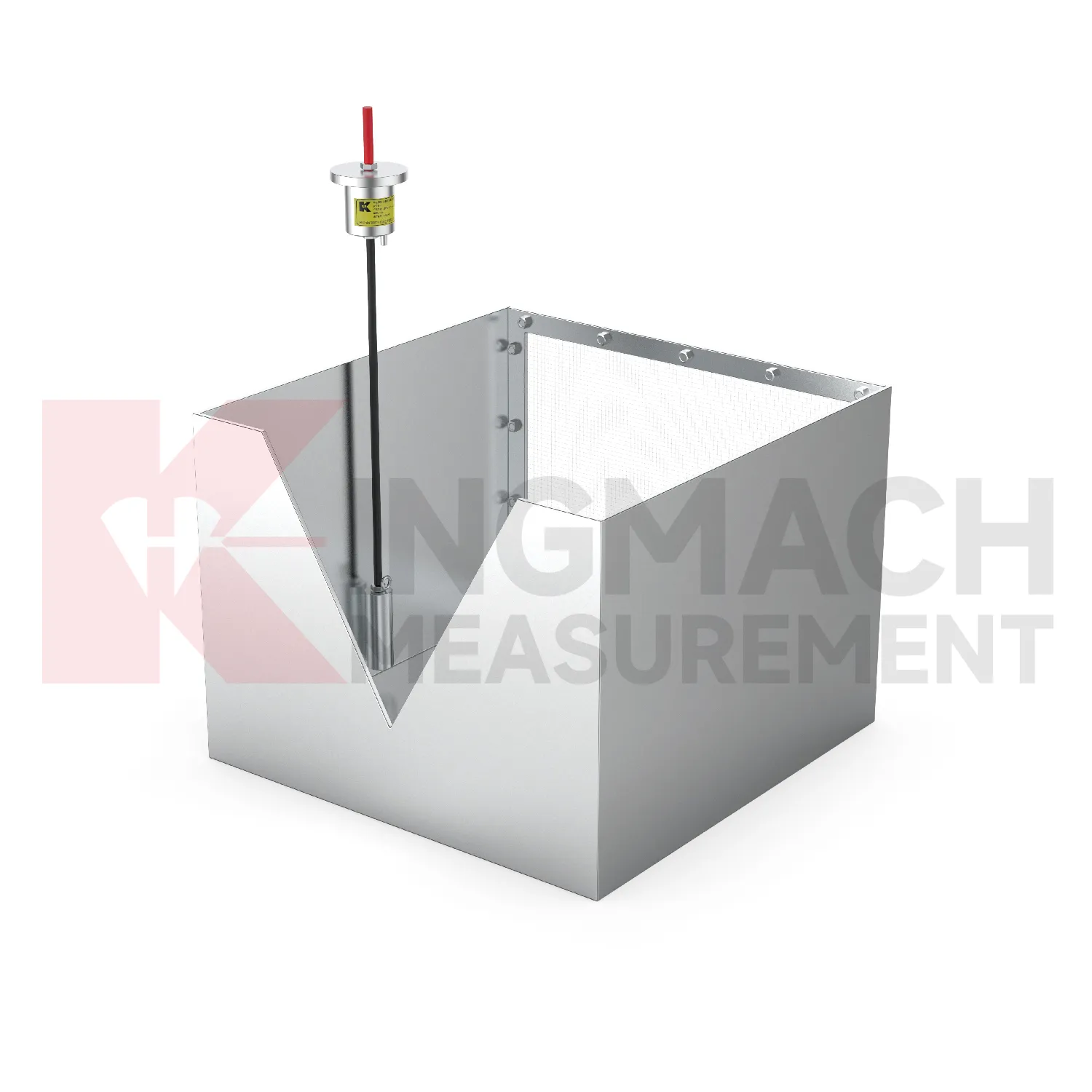
Kingmach Smart Weir Flow Meter should be presented through the user’s water-management task. A municipal drainage operator may need to know whether a channel is clearing stormwater. A tunnel maintenance team may need to track discharge from a drainage section. An irrigation manager may need to compare delivery between periods. A hydraulic engineer may need a repeatable record for a test structure. The same measurement principle supports these tasks, but the site details and reports are different. The product description can guide project planning around the purpose, the channel condition, the record interval, and the maintenance access. This creates a more useful page than one that repeats a product name or a list of technical values. For water accounting or resource management, the same section, reference point, and maintenance discipline make seasonal and operational comparison reliable. If the channel is modified, the record should not hide the change. A repair, new crest, cleaned approach, moved enclosure, or changed data channel can affect comparability and should be visible beside the next flow trend. The field record should explain the water path, the condition before the reading changed, the inspection access, and whether nearby operations or weather events affected the channel. This keeps the flow curve connected to real site behavior rather than leaving it as an isolated number.
Application of Smart Weir Flow Meter
Dam and slope drainage applications use Kingmach Smart Weir Flow Meter to connect water discharge with ground or structural behavior. In a dam gallery, toe drain, slope drainage channel, or retaining structure outlet, flow changes may reflect rainfall, seepage, groundwater variation, or maintenance work. The flow record should be reviewed with pore pressure, settlement, displacement, rainfall, reservoir level, and inspection notes when those records exist. A gradual rise during wet periods may be expected, but a sudden dry-weather change deserves attention. The measuring section should be protected from sediment and vegetation because blockage can make the curve misleading. This application turns drainage flow into a supporting record for safety review. A weir point also needs safe routine access. If staff cannot reach the crest, enclosure, or sensing area during wet weather, the project may collect data but struggle to maintain confidence in it when the record is most important. For dams and slopes, the review should focus on correlation rather than isolated readings. A flow increase near other movement or pressure changes deserves a different level of attention from a short increase after known rainfall. Clear notes help engineers decide whether continued observation, cleaning, inspection, or further investigation is appropriate. That discipline keeps the flow record useful during both routine inspections and unusual weather.
The future of Smart Weir Flow Meter
The future of Kingmach Smart Weir Flow Meter will place more attention on readable reporting. Flow monitoring often serves mixed audiences: hydraulic engineers, maintenance teams, water managers, construction supervisors, and asset owners. A useful report should explain the measured channel, the time period, the event, the flow trend, the site condition, and the action taken. It should not require every reader to interpret raw curves. Clear reporting will make flow data easier to use during storm review, irrigation planning, tunnel maintenance, drainage management, and long-term asset reporting. Future reports should separate observation from judgment. The chart may show a rise or drop, while the note explains rainfall, pumping, cleaning, blockage, or downstream influence. When those layers are visible, different teams can discuss the same event without losing the field context. Readable reporting saves time because it makes the next action easier to agree on. It also makes monthly review easier for non-specialist managers.
Care & Maintenance of Smart Weir Flow Meter
Seasonal maintenance should be planned for Kingmach Smart Weir Flow Meter. In wet seasons, debris and sediment may increase. In dry seasons, algae, scale, or low-flow conditions may affect the control section. In cold areas, freezing or ice can distort the water path. In construction areas, temporary works may change runoff and sediment. A seasonal checklist should be tied to the actual site, not copied from a generic calendar. The best maintenance schedule reflects weather, land use, upstream activity, and the owner?s need for reliable flow records during critical periods. Before the high-risk season begins, teams can inspect access, labels, crest condition, outlet clearance, and data communication. After the season, they can review which alarms were useful, which visits were unnecessary, and which channel conditions caused uncertainty. That review turns maintenance history into a better plan for the next operating period. It also supports cleaner budgeting for field labor and spare parts.
Kingmach Smart Weir Flow Meter
Kingmach Smart Weir Flow Meter supports projects where small water level changes need to be converted into meaningful flow information. In a weir structure, a slight rise or fall in water head can represent a real change in discharge. That is why the measurement point must be stable, clean, and tied to the correct hydraulic geometry. The record becomes stronger when water level, channel condition, rainfall, pump operation, gate activity, and inspection notes are reviewed together. A flow curve by itself may show an increase, but the site record explains whether that increase came from stormwater, controlled discharge, blockage, leakage, or upstream operation. This kind of interpretation is important for operators who must act on the data. They need to know whether a change is normal, whether a channel needs cleaning, or whether another instrument record should be checked. A clear flow history turns small water-head movement into a practical operating signal instead of an isolated reading.
FAQ
Q: What is Kingmach Smart Weir Flow Meter used for?
A: It is used to measure open-channel flow by reading water head at a controlled weir section and turning that change into a repeatable flow record.
Q: Where can it be applied?
A: It can support water conservancy, drainage, irrigation, tunnel discharge, dam drainage, construction runoff, industrial water channels, and water resource management.
Q: Why use a weir for flow monitoring?
A: A weir creates a stable hydraulic control section, making it easier to compare flow behavior over time when the channel is maintained properly.
Q: What makes the record useful?
A: A useful record links flow with site events such as rainfall, gate operation, cleaning, seepage, pump activity, or inspection findings.
Q: Should the meter be treated as a standalone device?
A: No. It should be treated as a measuring point that includes the channel, weir crest, water head reference, data path, and maintenance access. Maintenance teams need a record that tells them where to look. If a curve drops slowly, cleaning and sediment checks may come first. If it rises suddenly during dry conditions, upstream operation or a changed drainage path may deserve attention.
Reviews
Michael Anderson
The strain gauges and load cells are extremely accurate and stable. They performed very well in our bridge monitoring project. Highly recommended!
Andrew Lee
The visualization software is intuitive and powerful. It helps us analyze monitoring data efficiently.
Latest Inquiries
To protect the privacy of our buyers, only public service email domains like Gmail, Yahoo, and MSN will be displayed. Additionally, only a limited portion of the inquiry content will be shown.
Emma***@gmail.comCanada
Dear Sir/Madam, we are interested in displacement transducers and settlement sensors for a geotechni...
Olivia***@gmail.comUnited States
Hello, we are currently sourcing high-precision strain gauges and load cells for a bridge monitoring...
Related product categories
- Intelligent Weir Flow Meter
- Smart Weir Flow Meter
- weir flow meter
- weir type flow meter
- weir flow meter Price
- weir flow meter Manufacturer
- weir flow meter Supplier
- weir flow meter Solution
- weir flow meter System Integration
- weir flow meter Localization
- weir flow meter Domestic Manufacturing
- weir flow meter China