
 EN
EN
 ar
ar bg
bg hr
hr cs
cs da
da nl
nl fi
fi fr
fr de
de el
el hi
hi it
it ko
ko no
no pl
pl pt
pt ro
ro ru
ru es
es sv
sv tl
tl iw
iw id
id lv
lv lt
lt sr
sr sk
sk sl
sl uk
uk vi
vi et
et hu
hu th
th tr
tr fa
fa ms
ms hy
hy ka
ka ur
ur bn
bn mn
mn ta
ta kk
kk uz
uz ku
ku
accelerometer for vibration measurement
Three-direction acceleration measurement is useful when motion may occur in more than one direction. Kingmach acceleration equipment can support structural vibration, impact and blasting monitoring, cable tension review, earthquake and collapse monitoring, and dynamic work in bridges, railways, vehicles, ships, machinery, metallurgy, construction, and transportation. The value is not simply that three channels are recorded; the value is that engineers can see whether the structure moves vertically, laterally, longitudinally, or as a combined response. That helps when a vibration source is uncertain or when direction affects diagnosis, comfort, safety, or maintenance planning. The review should keep each axis label clear and should avoid mixing channel names during platform setup. Directional clarity is one of the simplest ways to make dynamic records easier to trust over time.
Long-term monitoring benefits from repeatable procedure. When the same point, direction, event definition, and analysis method are preserved, new vibration records can be compared with earlier records in a defensible way.
The report should not leave the waveform isolated. It should explain what the asset was doing, why the point was measured, which event triggered interest, and what follow-up action or observation was made.
Dynamic data can be sensitive to small field changes. A new bracket, nearby machine, temporary work platform, changed cable route, or software update can alter the record, so those changes belong in the maintenance history.
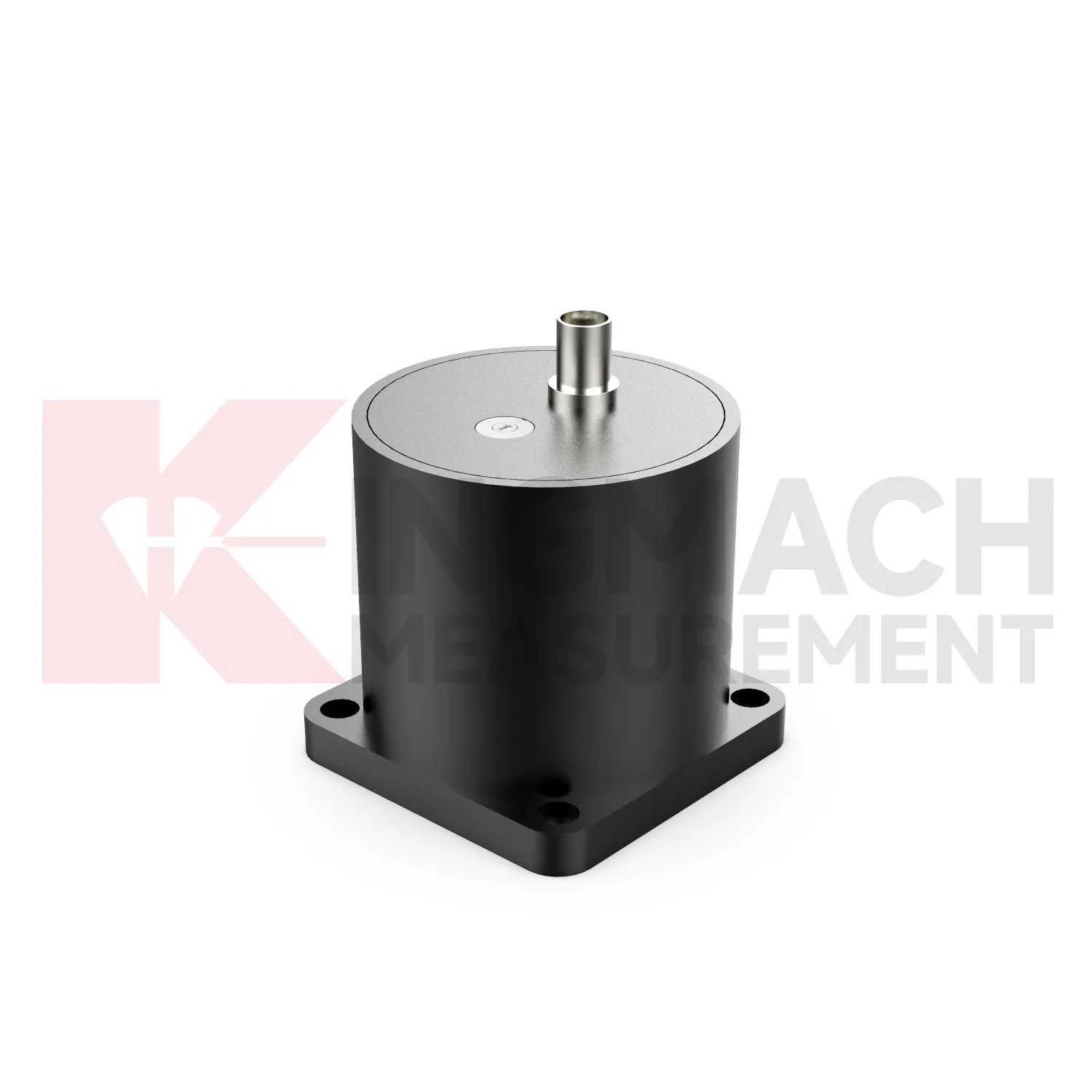
Application of accelerometer for vibration measurement
Integrated monitoring platforms use Kingmach accelerometer for vibration measurement as the dynamic response layer beside settlement, displacement, tilt, strain, load, and environmental records. A sudden vibration event can be understood better when other sensors show whether the structure also moved, strained, tilted, or experienced wind or temperature changes. Platform setup should define point names, axes, event tags, alarm review, and related channels. This prevents acceleration data from becoming isolated. Dynamic monitoring works best when it is connected to the wider story of the asset. During a review, the engineer should be able to see the event, the motion, the related structural response, and the inspection note in one workflow.
Platform integration should also separate raw traces from summary views. Engineers may need detailed waveforms and frequency behavior, while owners may need event time, affected asset, severity, and follow-up action. Both views should come from the same organized data chain.
Good platform setup reduces confusion during abnormal events. If channel names, axis labels, related sensors, and event tags are prepared before the alarm, the team can review the situation quickly instead of rebuilding context from scattered files. It also supports handover because a new reviewer can understand why the dynamic point exists and which other readings should be opened beside it.
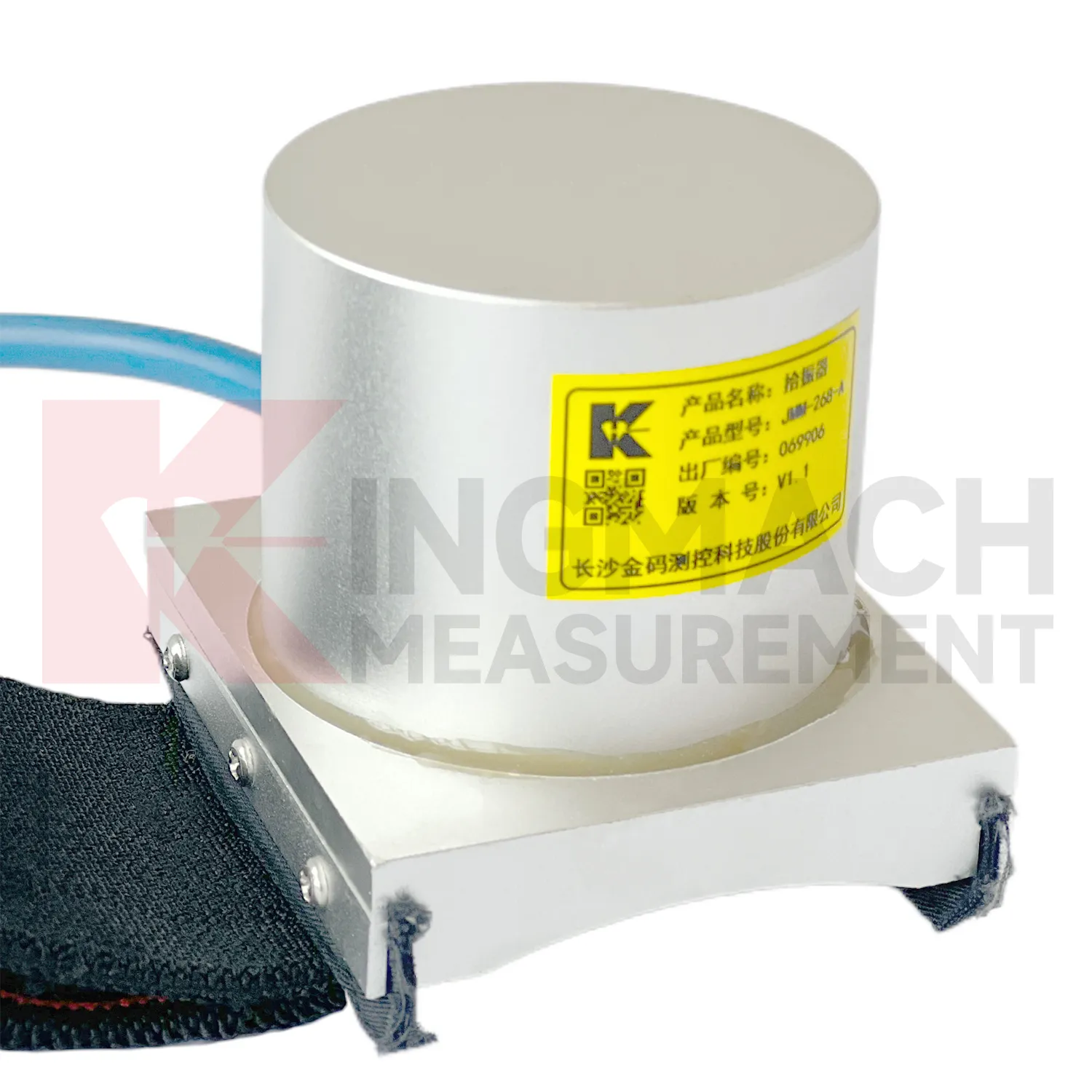
The future of accelerometer for vibration measurement
Remote monitoring will influence future Kingmach accelerometer for vibration measurement deployments, especially on bridges, railways, tunnels, towers, and industrial sites where access is limited. A remote dynamic station should report sensor status, acquisition health, event timing, and data availability, not only final vibration values. Maintenance teams need to know whether missing data came from quiet conditions, power trouble, communication loss, or a damaged installation. Clear status reporting will make dynamic monitoring more reliable during the events when it is needed most. Remote records are useful only when the team can trust that the station was ready before the event occurred.
During interpretation, the team should compare the motion with nearby strain, displacement, tilt, load, wind, temperature, traffic, machinery, or construction notes. That wider view helps separate normal response from a pattern that needs inspection.
If the reading changes suddenly, the first check should include the sensor attachment, cable route, connector, channel name, and recent field activity. This prevents a maintenance issue from being mistaken for structural behavior.
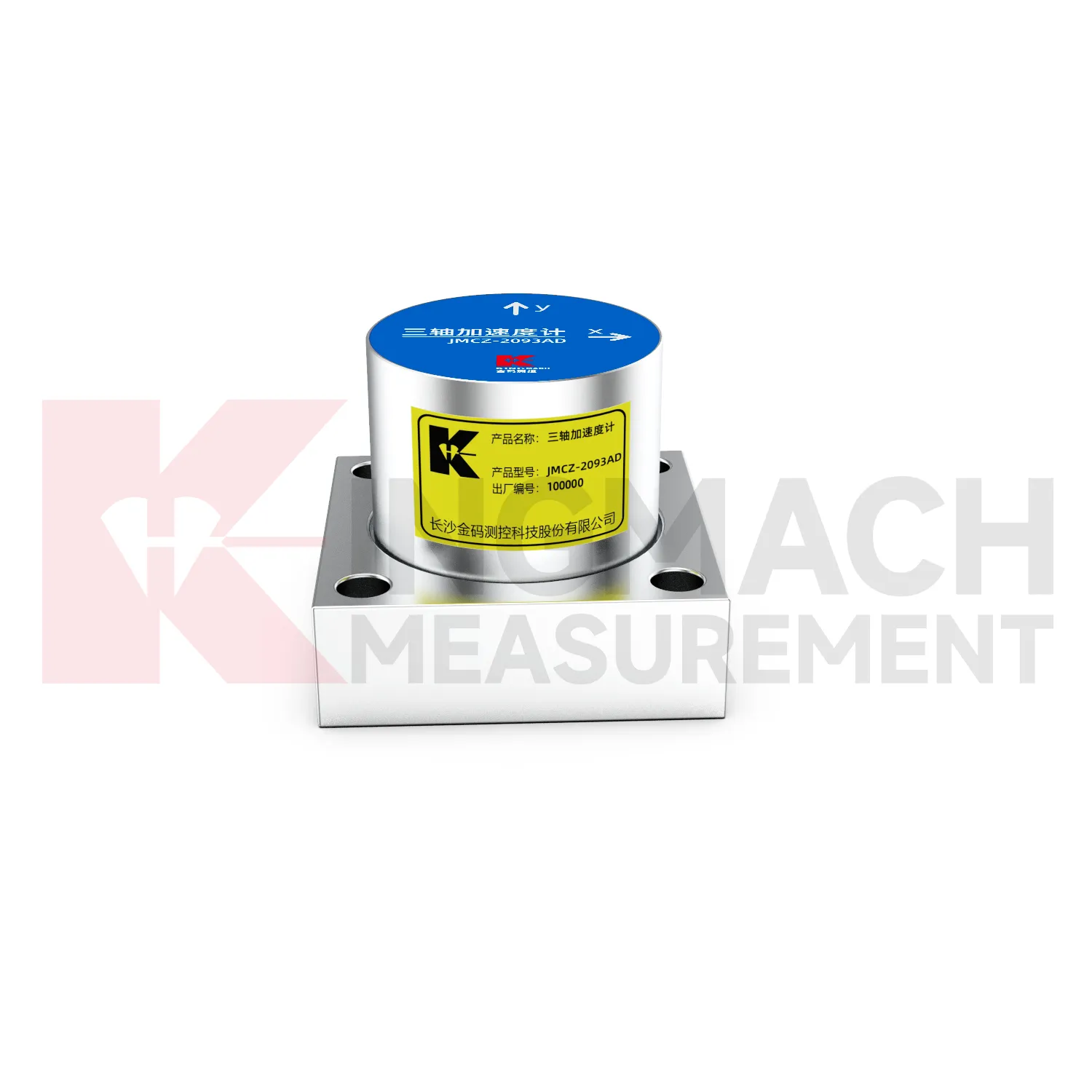
Care & Maintenance of accelerometer for vibration measurement
Axis control keeps Kingmach accelerometer for vibration measurement records understandable. A sensor may be installed vertically, longitudinally, laterally, or in three directions depending on the monitoring task. If the axis direction is not written down, later reviewers may not know what the waveform represents. Mark the direction on drawings, photographs, and channel names. If a sensor is removed and reinstalled, confirm the direction again. Axis mistakes can create years of confusing data, especially on bridges, towers, tunnels, and machinery foundations. A simple label at installation can prevent serious interpretation problems later.
Dynamic data can be sensitive to small field changes. A new bracket, nearby machine, temporary work platform, changed cable route, or software update can alter the record, so those changes belong in the maintenance history.
For owner handover, the file should include point photos, axis labels, acquisition settings, related structural channels, and examples of normal behavior. That helps future reviewers understand whether a later event is unusual.
Kingmach accelerometer for vibration measurement
Kingmach accelerometer for vibration measurement help engineering teams understand vibration risk rather than simply collect motion traces. In bridge, tunnel, building, railway, machinery, and ground-motion work, acceleration data shows how a structure moves when traffic, wind, machinery, blasting, earthquake activity, or cable vibration occurs. The useful result is not just a waveform; it is a record that shows frequency, response level, timing, and whether movement is repeating or changing. Dynamic monitoring is especially useful when movement is too quick for visual inspection or too subtle to judge by touch. When acceleration records are reviewed with inspection notes, environmental conditions, and related structural instruments, engineers can separate normal operating response from behavior that requires attention. This makes vibration measurement part of a practical safety and maintenance process.
For field teams, the record is strongest when the waveform is tied to a named event and a known physical point. The note should state what was operating, what changed on site, whether other instruments reacted, and whether the motion repeated under similar conditions.
FAQ
Q: How do Kingmach accelerometer for vibration measurement fit into a monitoring platform?
A: They provide the dynamic response layer alongside displacement, settlement, strain, load, tilt, environmental, and inspection data.
Q: What should a buyer define before ordering?
A: Define the motion to capture, structure type, location, axis direction, acquisition method, analysis need, and maintenance access.
Q: Do all projects need three-direction measurement?
A: No. Some need a focused direction, while others need multi-direction records because the movement source is uncertain.
Q: Why is low-frequency response important?
A: Ground pulsation, flexible structures, and slow dynamic movement may require sensors and acquisition settings suited to low-frequency behavior.
Q: What makes long-term acceleration data useful?
A: Stable installation, clear event records, consistent analysis, visible maintenance notes, and comparison with related sensors make it useful.
For owner handover, the file should include point photos, axis labels, acquisition settings, related structural channels, and examples of normal behavior. That helps future reviewers understand whether a later event is unusual.
Reviews
Christopher Martinez
Very satisfied with the readouts & data loggers. User-friendly interface and supports multiple sensor inputs.
Daniel Brown
Excellent environmental monitoring sensors. The data is consistent, and the system integrates smoothly with our existing setup.
Latest Inquiries
To protect the privacy of our buyers, only public service email domains like Gmail, Yahoo, and MSN will be displayed. Additionally, only a limited portion of the inquiry content will be shown.
Charlotte***@gmail.comUnited Arab Emirates
Hi, we require instrumentation cables suitable for harsh environments. Could you advise on specifica...
Isabella***@gmail.comGermany
Hello, we are evaluating weir flow meters for a water management project. Please share accuracy deta...
Related product categories
- accelerometers for sale
- buy accelerometer
- accelerometer cable
- accelerometer data acquisition
- accelerometer for vibration measurement
- vibration accelerometer
- industrial accelerometer
- seismic accelerometer
- accelerometers for vibration monitoring
- accelerometer applications
- uses of accelerometers
- accelerometer sensor for vibration measurement