
 EN
EN
 ar
ar bg
bg hr
hr cs
cs da
da nl
nl fi
fi fr
fr de
de el
el hi
hi it
it ko
ko no
no pl
pl pt
pt ro
ro ru
ru es
es sv
sv tl
tl iw
iw id
id lv
lv lt
lt sr
sr sk
sk sl
sl uk
uk vi
vi et
et hu
hu th
th tr
tr fa
fa ms
ms hy
hy ka
ka ur
ur bn
bn mn
mn ta
ta kk
kk uz
uz ku
ku
strain gauge rosettes
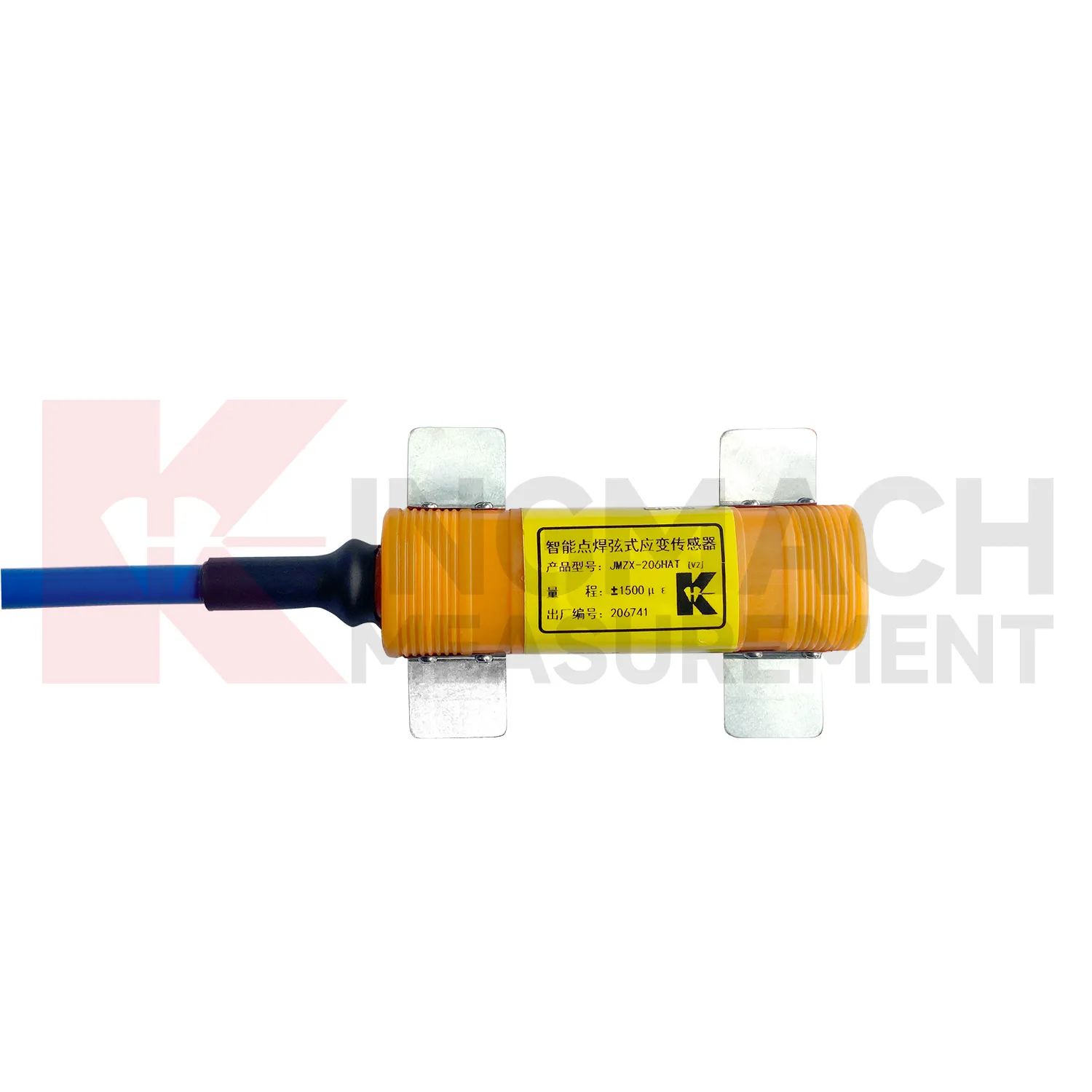
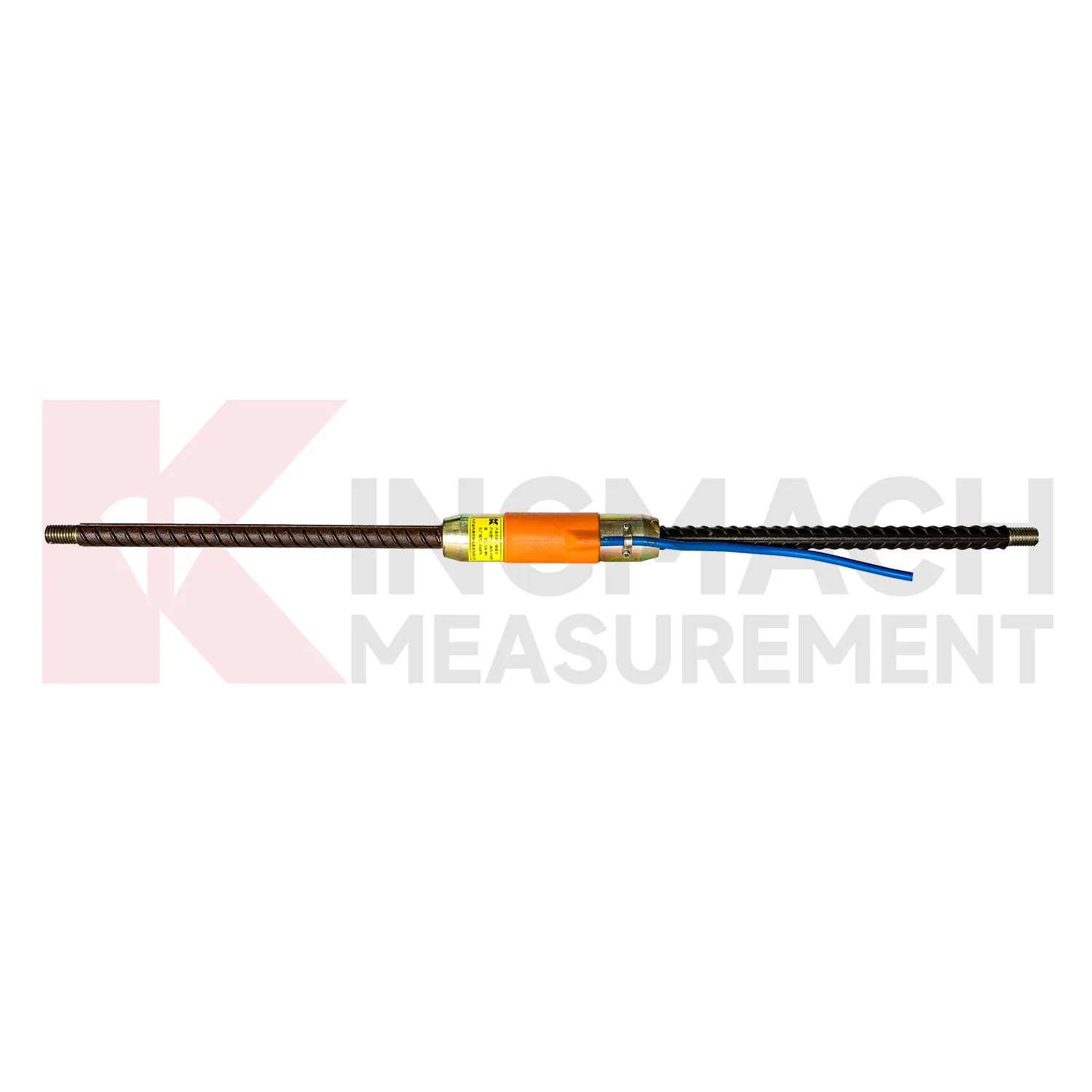
Kingmach {keyword} also includes rebar strainmeters for reinforced concrete stress monitoring. The JMZX-4XXHAT/HB model measures the stress of reinforcing steel bars and allows engineers to estimate the internal stress state of concrete structures. It is used in dams, bridges, precast and cast in place pile foundations, cut off walls, large buildings, and anchor bolts. The sensing section is designed with strength matching the corresponding measured steel bar, so replacing the original bar with the tested bar does not change the strength of the monitored structure. Technical data includes a -200 MPa to 350 MPa range, 0.5%F.S. accuracy, 0.1 MPa sensitivity, and 2 MPa waterproof performance. The product uses vibrating wire collection with high tensile steel wire and anchor welding, giving stable performance for embedded, long term structural monitoring. These specifications are especially useful when the monitored member will not be easy to access later. Once concrete is poured or steel work is closed, the project depends on the original model selection, cable protection, calibration data, and acquisition record. They also help the owner decide whether manual reading, scheduled logging, or unattended monitoring is the better operating method. A clear specification record reduces confusion when the same project uses surface, embedded, welded, and rebar based instruments together.
Application of strain gauge rosettes
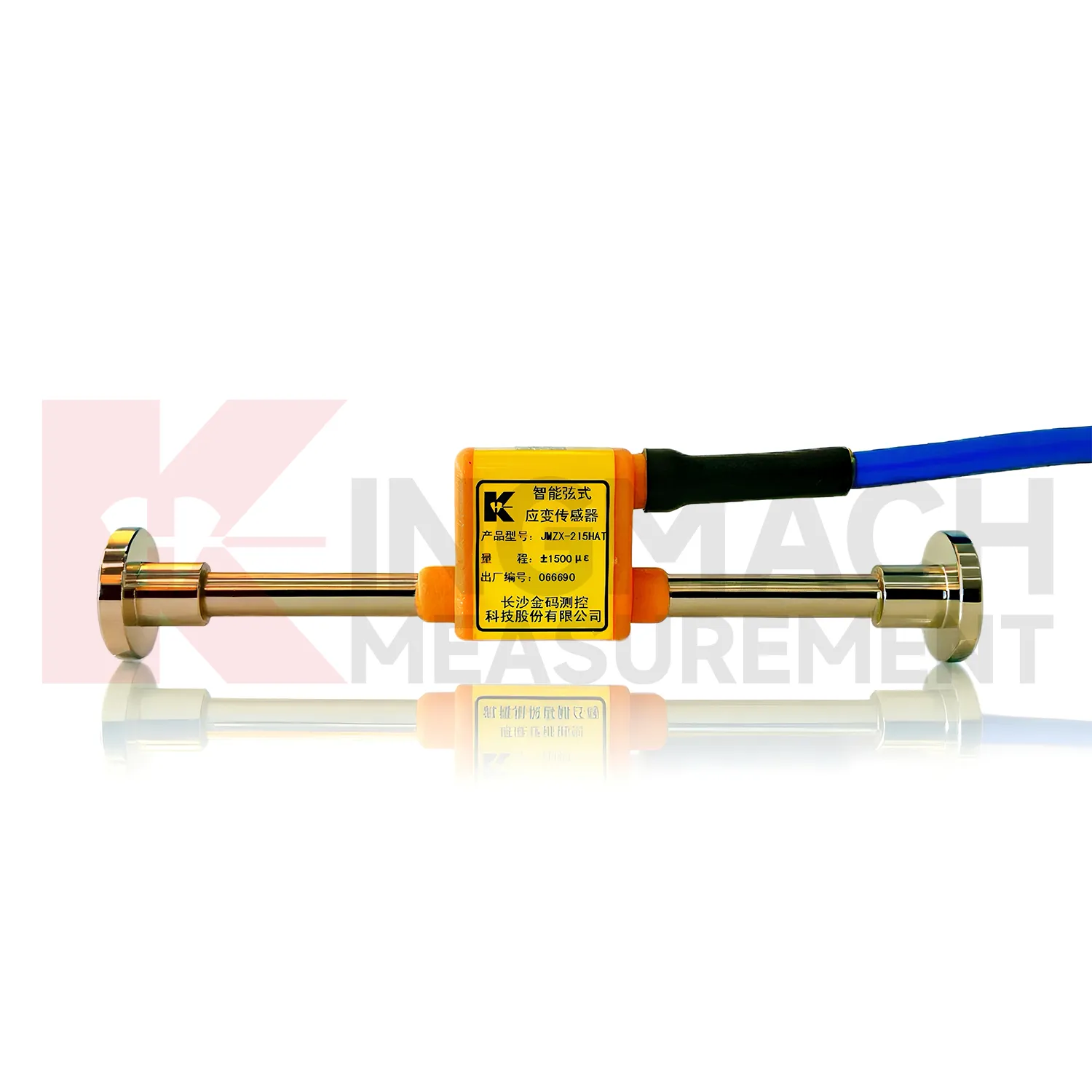
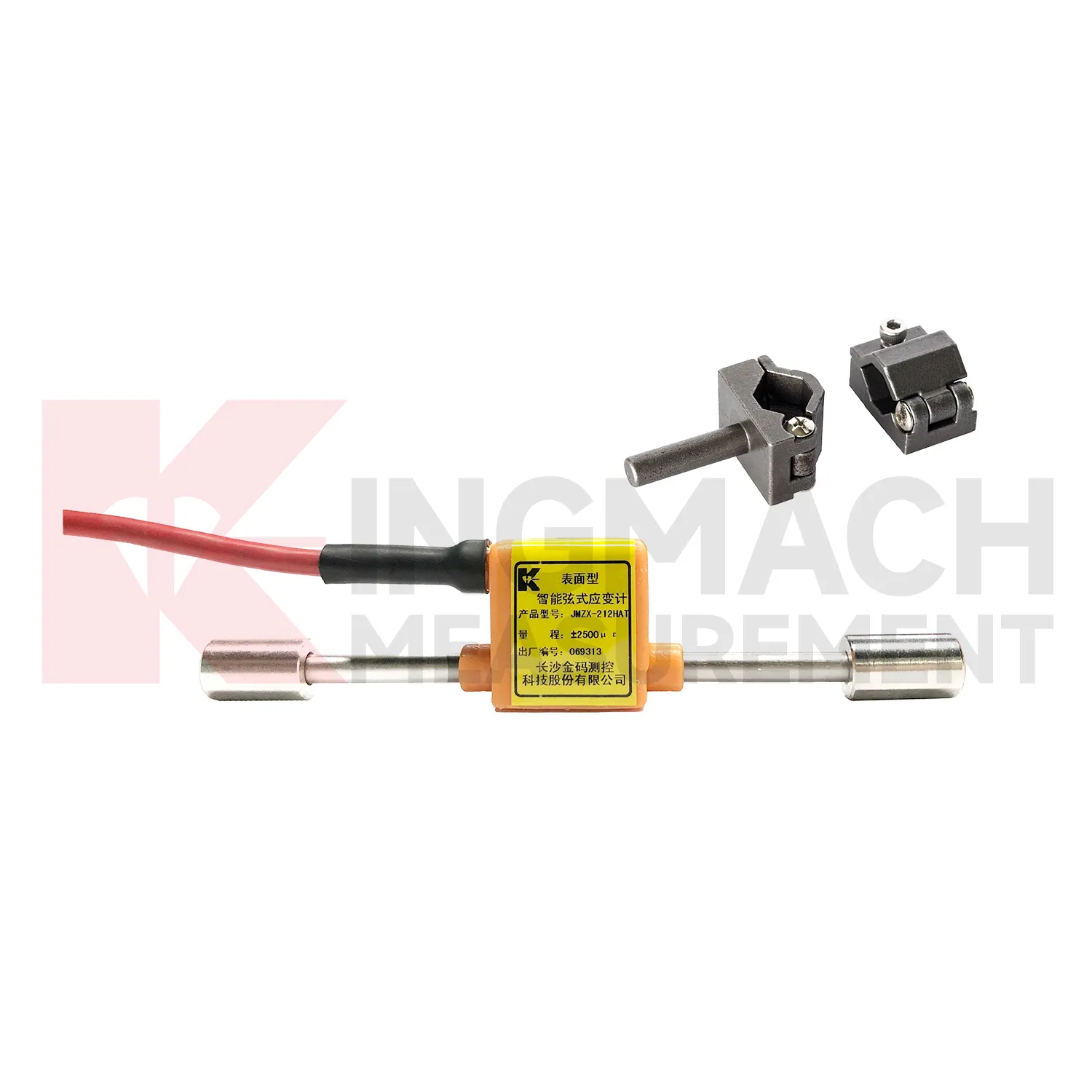
In building structural health monitoring, {keyword} can be installed on columns, transfer beams, trusses, slabs, steel frames, and reinforced concrete members to observe stress changes under construction load, equipment load, settlement, wind, and long term service. Large stations, public buildings, and aging structures need this type of data because visible cracks may appear only after internal strain has already changed. Kingmach surface gauges provide ±2500 microstrain measurement with 0.1 microstrain resolution, while embedded models can be tied to rebar before concrete pouring to read internal strain and shrinkage. The optional temperature sensor supports correction across -40℃ to +120℃. For steel structures, the welded model's low height design helps reduce bending related strain error. These features support both construction stage monitoring and later maintenance review. The technical parameters support this use because the sensor must survive the structure's environment while still resolving small strain changes. Long term projects also need stable channel names, calibration records, and protected cable routes. This gives the project team a better way to separate normal behavior from a change that needs inspection. For field use, the strain point should be named, mapped, protected, and reviewed with nearby sensors before any alarm is judged. The same record can support staged construction control, post event inspection, and long term maintenance planning.
The future of strain gauge rosettes
For dams, slopes, and remote infrastructure, the future of {keyword} will depend on low power field systems and remote transmission. A sensor installed in a gallery, anchor zone, or mountain slope may be hard to visit after construction. Kingmach's catalog already includes wireless data loggers, DTUs, acquisition modules, and monitoring platforms, which can support remote strain records when power and communication are designed carefully. Future projects may use LoRa, 5G, solar power, and edge storage to keep readings available during bad weather or network interruptions. Strain data will be more useful when it is reviewed with seepage, water level, settlement, and rainfall records instead of sitting alone. That is why product development should connect hardware durability with data quality, including stable frequency signals, protected cabling, timestamped records, and practical alarm rules. That path keeps the technology tied to field decisions, not abstract promises. It also makes sensor data easier to use in owner reports and maintenance meetings.
Care & Maintenance of strain gauge rosettes
Temperature management is part of maintaining {keyword}. Kingmach temperature versions can measure the monitoring point across -40℃ to +120℃ with ±0.5℃ temperature measurement accuracy, allowing strain correction when thermal movement affects the reading. During installation, keep temperature sensor wiring and strain wiring clearly labeled. During long term use, compare strain changes with temperature records before judging a structural problem. Bridges, exposed steel, dam galleries, and tunnel entrances can all show daily or seasonal thermal movement. If a channel drifts, review weather, curing stage, sunlight exposure, nearby heat sources, and acquisition settings. This simple habit prevents normal thermal behavior from being mistaken for structural distress. A simple inspection schedule should cover waterproof seals, cable jackets, grounding, connectors, data logger power, communication status, and comparison with nearby sensors. Compare suspicious readings with nearby channels before repair decisions. Keep these checks in the project log. Review the channel after major site work.
Kingmach strain gauge rosettes
{keyword} gives asset owners a way to compare present strain behavior with earlier records. That comparison is important on structures that move slowly, such as dams, slopes, long span bridges, railway stations, and underground works. A single reading can raise a question, but a trend can show whether the structure is settling into normal behavior or moving away from it. Kingmach's automated monitoring products and Engineering Pulse platform are built around this need for traceable data. With the right installation and channel management, strain readings can support inspection schedules, reinforcement decisions, construction control, and long term maintenance planning. The result is a product description that feels connected to real bridge, tunnel, dam, and building work rather than a detached sensor definition. That field record supports later inspection. It also gives engineers a cleaner baseline for later comparison. The same data can guide inspection notes and repair timing. Site records matter.
FAQ
Q: How should {keyword} be maintained?
A: Inspect the sensor protection, cable route, junction boxes, seals, channel labels, and baseline trends. Compare readings with temperature and nearby sensors before judging an alarm.
Q: How often should calibration be checked?
A: Follow project requirements and review calibration before load tests, major construction stages, repair work, or when readings drift without a clear site reason.
Q: What causes unstable readings?
A: Common causes include loose wiring, water entry, damaged cable jackets, poor grounding, surface debonding, weak welds, wrong acquisition settings, and real structural movement.
Q: Can the sensor be replaced after embedment?
A: Usually not without structural work, so embedded gauges need careful installation, cable protection, and documentation before concrete is poured.
Q: What records should be kept?
A: Keep model, serial number, calibration coefficients, location, installation photos, cable route, channel name, baseline readings, and maintenance notes.
Reviews
Daniel Brown
Excellent environmental monitoring sensors. The data is consistent, and the system integrates smoothly with our existing setup.
David Wilson
We purchased displacement transducers and settlement sensors, and the quality exceeded our expectations. Easy installation and reliable performance.
Latest Inquiries
To protect the privacy of our buyers, only public service email domains like Gmail, Yahoo, and MSN will be displayed. Additionally, only a limited portion of the inquiry content will be shown.
Charlotte***@gmail.comUnited Arab Emirates
Hi, we require instrumentation cables suitable for harsh environments. Could you advise on specifica...
Harper***@gmail.comIndia
Dear Sir, we are planning to procure a complete monitoring system including strain gauges, tiltmeter...
Related product categories
- strain gauge wheatstone bridge
- strain gauge data logger
- half bridge strain gauge
- sensor strain gauge
- strain gauge signal conditioner
- digital strain gauge indicators
- strain gauge data acquisition
- strain gauge data acquisition system
- strain gauge daq
- strain gauge meter
- strain gauge reader
- strain gauge full bridge force sensors