
 EN
EN
 ar
ar bg
bg hr
hr cs
cs da
da nl
nl fi
fi fr
fr de
de el
el hi
hi it
it ko
ko no
no pl
pl pt
pt ro
ro ru
ru es
es sv
sv tl
tl iw
iw id
id lv
lv lt
lt sr
sr sk
sk sl
sl uk
uk vi
vi et
et hu
hu th
th tr
tr fa
fa ms
ms hy
hy ka
ka ur
ur bn
bn mn
mn ta
ta kk
kk uz
uz ku
ku
vibration monitoring sensors
Kingmach vibration monitoring sensors are suited to projects where dynamic response must be captured reliably rather than guessed from observation. Bridge cable systems, building floors, industrial structures, railways, tunnels, machinery foundations, and ground-motion stations all produce signals that need context. Some signals are strong and event-driven; others are weak and slow. Some need one direction; others need three. A careful product explanation should guide readers toward these distinctions without turning the text into a list of models. The right message is about measurement purpose, not product stacking. In the field, that same purpose should guide where the sensor is mounted, how the acquisition is configured, and how the result is reviewed after each important event.
For high-risk assets, inspection timing should follow events as well as calendar dates. After impact, blasting, severe weather, unusual vibration, or equipment maintenance, the sensor and the data path both deserve a quick check.
For field teams, the record is strongest when the waveform is tied to a named event and a known physical point. The note should state what was operating, what changed on site, whether other instruments reacted, and whether the motion repeated under similar conditions.
A useful dynamic record needs both signal quality and site context. Mounting condition, axis direction, cable stability, acquisition timing, and event labeling all affect whether the data can support an engineering decision after review.
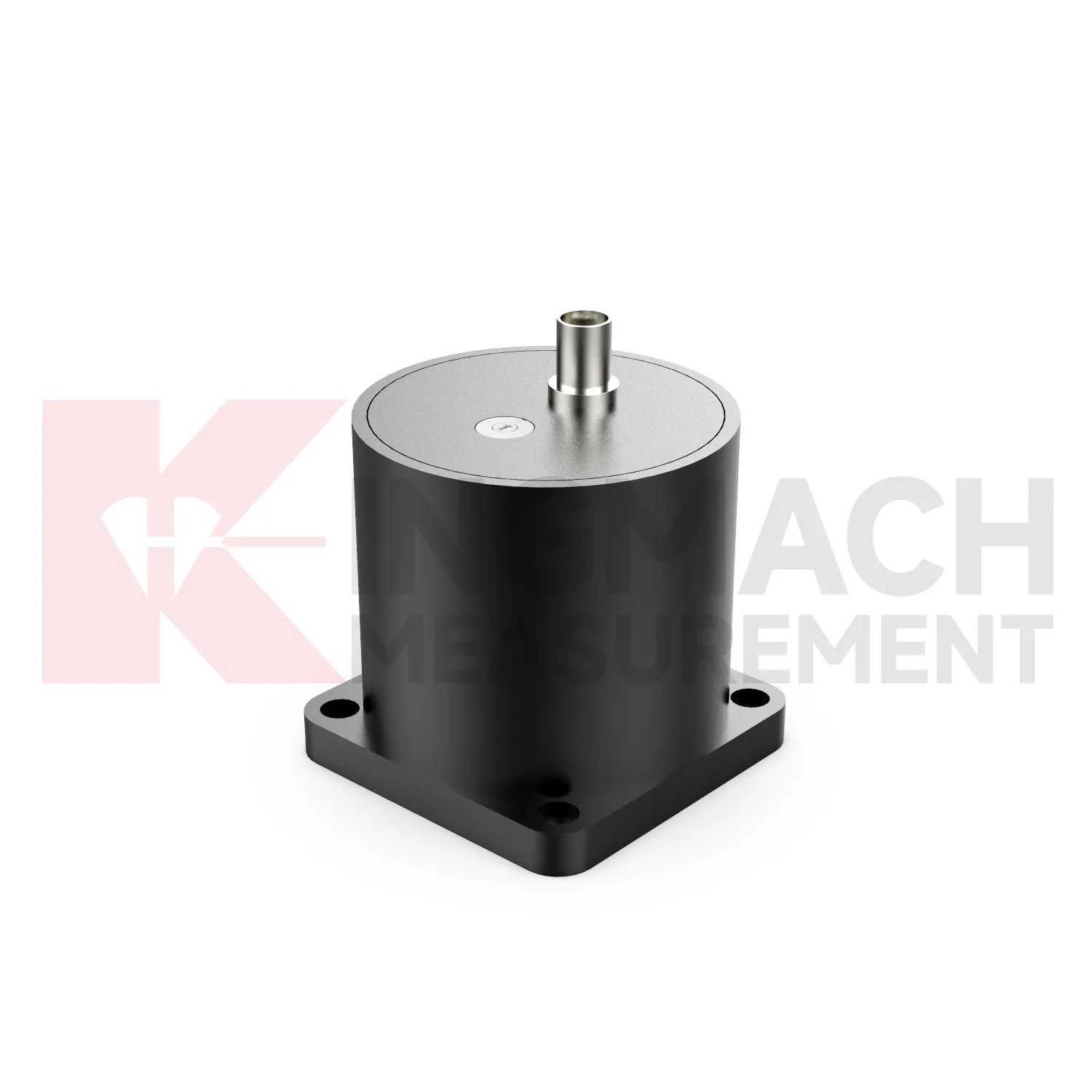
Application of vibration monitoring sensors
Integrated monitoring platforms use Kingmach vibration monitoring sensors as the dynamic response layer beside settlement, displacement, tilt, strain, load, and environmental records. A sudden vibration event can be understood better when other sensors show whether the structure also moved, strained, tilted, or experienced wind or temperature changes. Platform setup should define point names, axes, event tags, alarm review, and related channels. This prevents acceleration data from becoming isolated. Dynamic monitoring works best when it is connected to the wider story of the asset. During a review, the engineer should be able to see the event, the motion, the related structural response, and the inspection note in one workflow.
Platform integration should also separate raw traces from summary views. Engineers may need detailed waveforms and frequency behavior, while owners may need event time, affected asset, severity, and follow-up action. Both views should come from the same organized data chain.
Good platform setup reduces confusion during abnormal events. If channel names, axis labels, related sensors, and event tags are prepared before the alarm, the team can review the situation quickly instead of rebuilding context from scattered files. It also supports handover because a new reviewer can understand why the dynamic point exists and which other readings should be opened beside it.
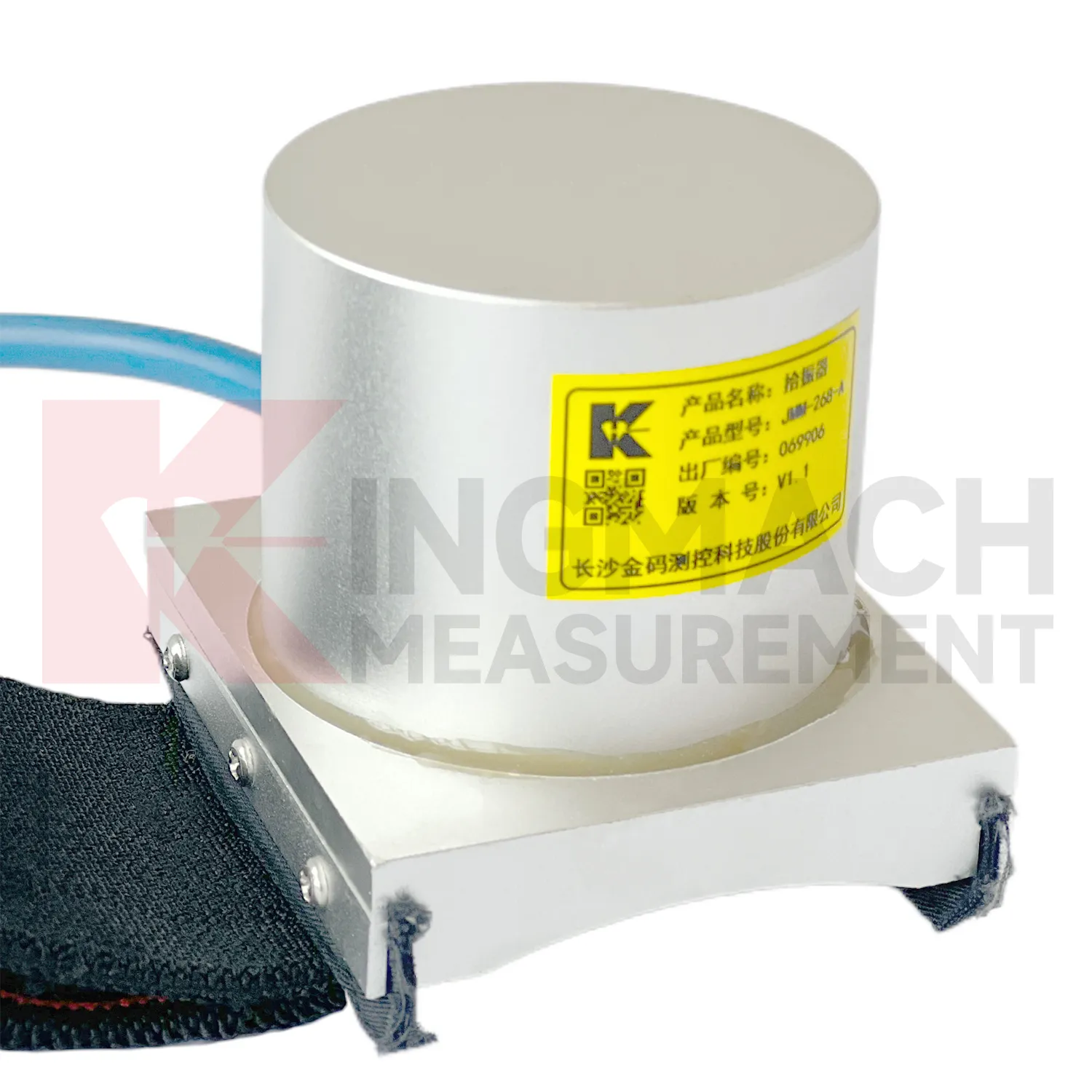
The future of vibration monitoring sensors
Future Kingmach vibration monitoring sensors will support more disciplined cable force monitoring. Vibration-based cable review depends on correct measurement position, cable identity, boundary assumptions, and calculation settings. Future reports should connect the vibration curve, frequency result, cable information, and maintenance decision in one place. That will make cable review easier to audit and compare over time. For bridge owners, the value is not simply a sensor reading; it is a repeatable method for tracking cable behavior through service life. Clear records will also help teams understand when a change comes from adjustment, temperature, traffic, or true cable-condition variation.
For field teams, the record is strongest when the waveform is tied to a named event and a known physical point. The note should state what was operating, what changed on site, whether other instruments reacted, and whether the motion repeated under similar conditions.
A useful dynamic record needs both signal quality and site context. Mounting condition, axis direction, cable stability, acquisition timing, and event labeling all affect whether the data can support an engineering decision after review.
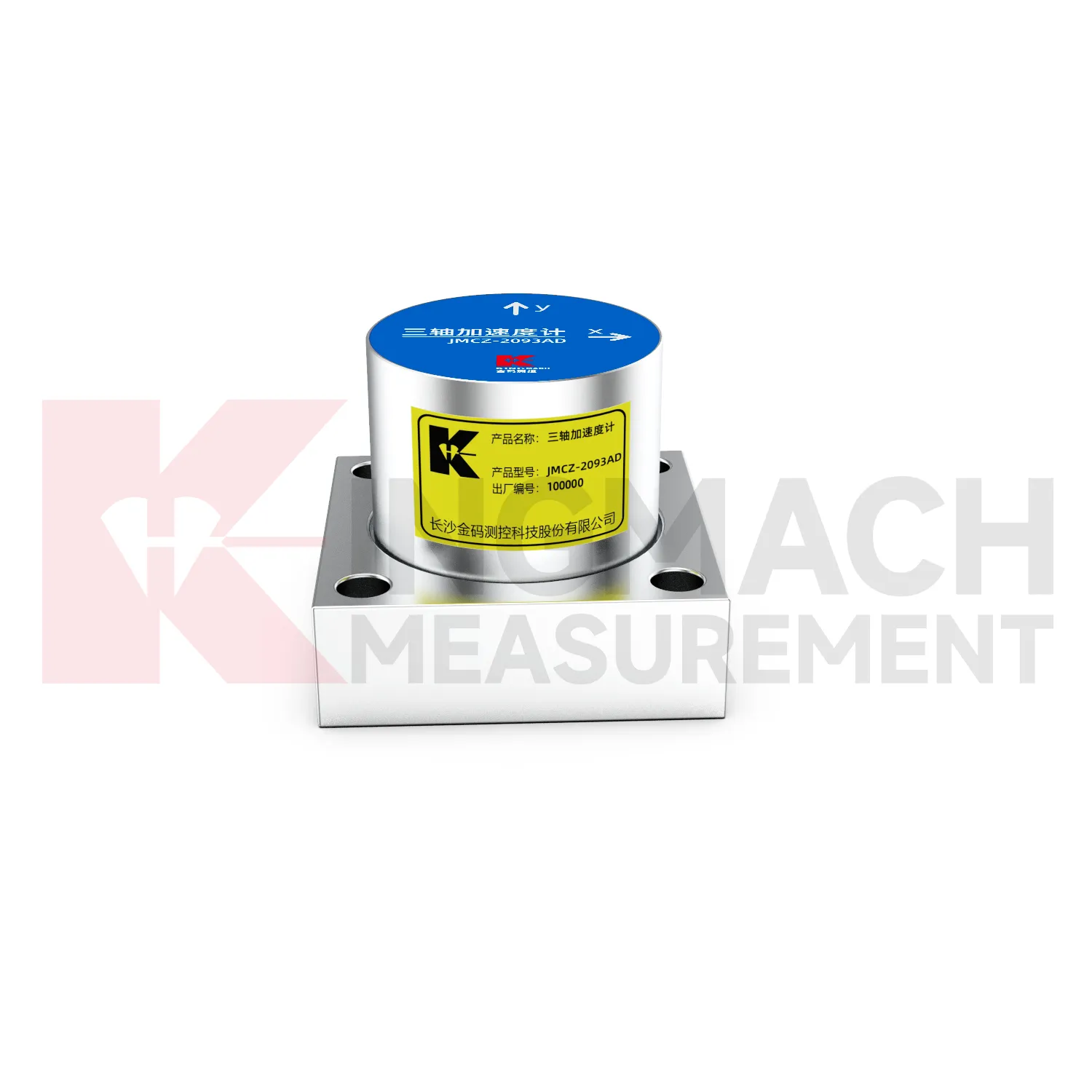
Care & Maintenance of vibration monitoring sensors
Weak-vibration monitoring with Kingmach vibration monitoring sensors requires special care because the signal may be close to background noise. Keep the mounting surface rigid, avoid loose nearby parts, document equipment operation, and reduce cable movement. During tests, record what was happening around the point: traffic, machinery, wind, construction, or people moving nearby. If the same weak pattern repeats under the same condition, it becomes more meaningful. If it appears only once with no context, it may need verification before engineering action is taken. Careful notes turn faint signals into evidence instead of speculation.
Long-term monitoring benefits from repeatable procedure. When the same point, direction, event definition, and analysis method are preserved, new vibration records can be compared with earlier records in a defensible way.
The report should not leave the waveform isolated. It should explain what the asset was doing, why the point was measured, which event triggered interest, and what follow-up action or observation was made.
Kingmach vibration monitoring sensors
Kingmach vibration monitoring sensors also support weak-vibration work, where small movement can be hard to separate from noise. Ground pulsation, flexible structures, quiet machinery areas, and low-frequency building response all require stable installation and careful data review. Anti-interference performance and proper acquisition settings help, while site discipline keeps the record easier to interpret. The engineer should know what nearby equipment was running, whether construction was active, and whether wind, traffic, or people were present during the record. Weak signals become useful when the background conditions are documented. Repeated patterns under similar conditions carry more meaning than a single unexplained spike.
Weak-vibration records should be treated patiently. A quiet trace may still be useful because it defines the normal background for the point. When a later event appears, the team can compare it with that calm record and decide whether the change is real.
Field notes are especially important at this sensitivity level. Foot traffic, small equipment, doors, temporary pumps, or nearby vehicles can influence a trace. Recording those conditions keeps the review honest and prevents ordinary background activity from being mistaken for structural change.
FAQ
Q: What are Kingmach vibration monitoring sensors used for?
A: They are used to record acceleration and vibration behavior so engineers can review structural motion, frequency response, impact events, ground motion, and cable vibration.
Q: Where are they commonly applied?
A: They are used in bridges, buildings, tunnels, railways, machinery areas, ground-motion stations, wind towers, and construction vibration monitoring.
Q: Why not rely only on visual inspection?
A: Many dynamic problems happen too quickly or too subtly to see, while acceleration records preserve timing, direction, and frequency information.
Q: Can acceleration data support cable force review?
A: Yes, when the vibration measurement and calculation method are configured correctly for the cable being tested.
Q: Should acceleration data be reviewed alone?
A: No. It is stronger when compared with strain, displacement, tilt, load, environmental records, and inspection notes.
During interpretation, the team should compare the motion with nearby strain, displacement, tilt, load, wind, temperature, traffic, machinery, or construction notes. That wider view helps separate normal response from a pattern that needs inspection.
Reviews
Daniel Brown
Excellent environmental monitoring sensors. The data is consistent, and the system integrates smoothly with our existing setup.
Christopher Martinez
Very satisfied with the readouts & data loggers. User-friendly interface and supports multiple sensor inputs.
Latest Inquiries
To protect the privacy of our buyers, only public service email domains like Gmail, Yahoo, and MSN will be displayed. Additionally, only a limited portion of the inquiry content will be shown.
Harper***@gmail.comIndia
Dear Sir, we are planning to procure a complete monitoring system including strain gauges, tiltmeter...
Mia***@gmail.comNetherlands
Dear team, we are interested in your readouts & data loggers compatible with multiple sensors. Do yo...