
 EN
EN
 ar
ar bg
bg hr
hr cs
cs da
da nl
nl fi
fi fr
fr de
de el
el hi
hi it
it ko
ko no
no pl
pl pt
pt ro
ro ru
ru es
es sv
sv tl
tl iw
iw id
id lv
lv lt
lt sr
sr sk
sk sl
sl uk
uk vi
vi et
et hu
hu th
th tr
tr fa
fa ms
ms hy
hy ka
ka ur
ur bn
bn mn
mn ta
ta kk
kk uz
uz ku
ku
weir flow meter custom
Kingmach weir flow meter custom turns a small water level change into a usable flow trend. Many water projects do not need only a single discharge value; they need to know whether flow is rising, falling, delayed after rainfall, reduced after sediment build-up, or affected by upstream operation. The weir point gives a control section, while the water head record gives the time-based signal. Engineers can then compare flow with rainfall, gate operation, pump status, drainage reports, seepage observation, or field inspection. This makes the record useful for operation and diagnosis. A flow increase during rain may be expected, but a flow increase during dry conditions may need attention. A slow decline may point to blockage or changed channel conditions. The product information can make these review paths clear without presenting the meter as a standalone device. The field record should explain the water path, the condition before the reading changed, the inspection access, and whether nearby operations or weather events affected the channel. This keeps the flow curve connected to real site behavior rather than leaving it as an isolated number. A practical review also checks whether the measuring section remained clean and hydraulically stable. Sediment, debris, vegetation, downstream backwater, or a disturbed approach can change the meaning of the same water-head reading, so those conditions belong in the project notes.
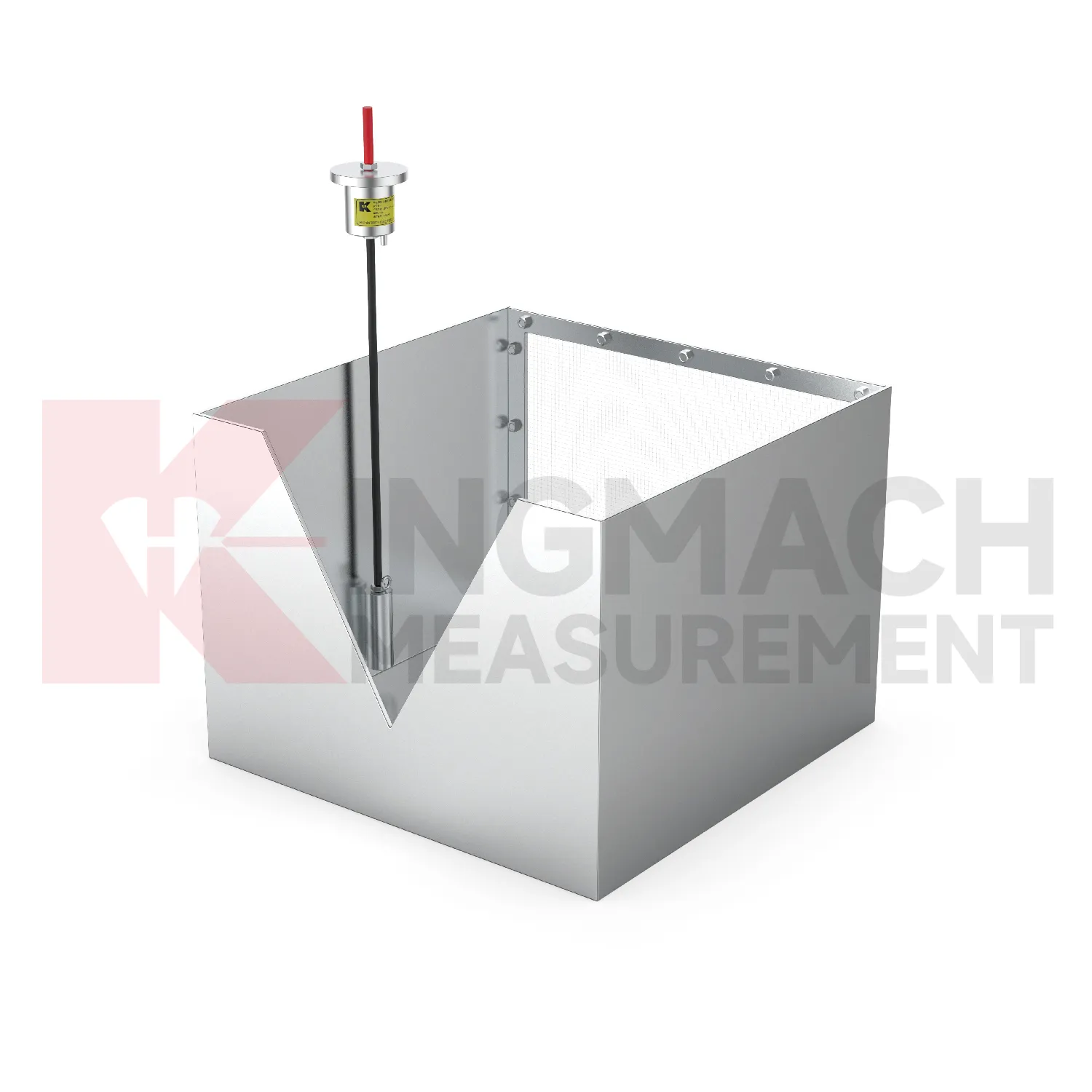
Application of weir flow meter custom
Industrial water management uses Kingmach weir flow meter custom where liquid flow through an open channel or controlled measuring section must be tracked. The site may need to monitor process water, cooling discharge, drainage, or controlled outflow. Flow records should be reviewed with operating schedules, equipment status, cleaning events, and water quality observations when available. The measuring point should avoid turbulence from nearby bends, drops, or inflow disturbances if the record is expected to represent stable channel behavior. Maintenance teams should keep access to the crest and water head location. When the data is connected to operations, the flow curve can show whether the process is stable, restricted, or affected by maintenance. Industrial sites often need records that different departments can read without argument. Operations staff may focus on timing, environmental staff may focus on discharge documentation, and maintenance staff may focus on cleaning or obstruction. A dated weir record gives these groups a shared basis for review. If process activity changes, the note beside the curve should explain what happened so the flow trend remains tied to real plant behavior. The same record can support permit discussions, internal audits, and maintenance planning when channel condition affects measured discharge. across operating teams. consistently.
The future of weir flow meter custom
The future of Kingmach weir flow meter custom will place more attention on readable reporting. Flow monitoring often serves mixed audiences: hydraulic engineers, maintenance teams, water managers, construction supervisors, and asset owners. A useful report should explain the measured channel, the time period, the event, the flow trend, the site condition, and the action taken. It should not require every reader to interpret raw curves. Clear reporting will make flow data easier to use during storm review, irrigation planning, tunnel maintenance, drainage management, and long-term asset reporting. Future reports should separate observation from judgment. The chart may show a rise or drop, while the note explains rainfall, pumping, cleaning, blockage, or downstream influence. When those layers are visible, different teams can discuss the same event without losing the field context. Readable reporting saves time because it makes the next action easier to agree on. It also makes monthly review easier for non-specialist managers.
Care & Maintenance of weir flow meter custom
Cleaning routines are essential for Kingmach weir flow meter custom. Leaves, trash, silt, scale, biological growth, and floating material can change how water passes the crest. Cleaning frequency should depend on site exposure, season, rainfall, upstream activity, and past blockage history. After cleaning, record the date, condition found, action taken, and first normal reading. This note helps reviewers understand whether a flow change came from water behavior or maintenance. A gradual drop followed by cleaning may suggest blockage. A sudden rise after cleaning may mean the channel was restricted before the work. These details keep the flow record honest. Cleaning should also protect the measuring section from accidental damage. Staff should avoid striking the crest, moving reference marks, or leaving tools and waste near the approach channel. A simple before-and-after photo gives later reviewers a quick view of what changed. That visual record is often enough to explain a shift in the trend after field work.
Kingmach weir flow meter custom
Kingmach weir flow meter custom supports projects where small water level changes need to be converted into meaningful flow information. In a weir structure, a slight rise or fall in water head can represent a real change in discharge. That is why the measurement point must be stable, clean, and tied to the correct hydraulic geometry. The record becomes stronger when water level, channel condition, rainfall, pump operation, gate activity, and inspection notes are reviewed together. A flow curve by itself may show an increase, but the site record explains whether that increase came from stormwater, controlled discharge, blockage, leakage, or upstream operation. This kind of interpretation is important for operators who must act on the data. They need to know whether a change is normal, whether a channel needs cleaning, or whether another instrument record should be checked. A clear flow history turns small water-head movement into a practical operating signal instead of an isolated reading.
FAQ
Q: How does Kingmach weir flow meter custom help drainage projects?
A: It shows how discharge changes during routine operation, storms, dewatering, blockage, cleaning, or downstream backwater.
Q: How does it help irrigation projects?
A: It helps compare delivery timing, flow distribution, channel condition, rainfall effect, and water-use management across operating periods.
Q: How does it help tunnels?
A: It can track drainage or seepage-related flow and compare changes with rainfall, groundwater, maintenance cleaning, or underground construction activity.
Q: How does it help dam or slope drainage?
A: It provides a flow record that can be reviewed with seepage, rainfall, pore pressure, settlement, displacement, and inspection notes.
Q: How does it fit into a platform?
A: It works as the flow layer beside rainfall, water level, seepage, environmental, and structural monitoring records. A weir point also needs safe routine access. If staff cannot reach the crest, enclosure, or sensing area during wet weather, the project may collect data but struggle to maintain confidence in it when the record is most important.
Reviews
Daniel Brown
Excellent environmental monitoring sensors. The data is consistent, and the system integrates smoothly with our existing setup.
Christopher Martinez
Very satisfied with the readouts & data loggers. User-friendly interface and supports multiple sensor inputs.
Latest Inquiries
To protect the privacy of our buyers, only public service email domains like Gmail, Yahoo, and MSN will be displayed. Additionally, only a limited portion of the inquiry content will be shown.
Evelyn***@gmail.comSouth Africa
Hi, we are a contractor working on tunnel construction and need settlement sensors and displacement ...
Mia***@gmail.comNetherlands
Dear team, we are interested in your readouts & data loggers compatible with multiple sensors. Do yo...
Related product categories
- weir flow meter Supplier
- weir flow meter Solution
- weir flow meter System Integration
- weir flow meter Localization
- weir flow meter Domestic Manufacturing
- weir flow meter China
- weir flow meter Factory Price
- weir flow meter Cost effective
- weir flow meter Instant
- weir flow meter custom
- weir flow meter steep discount
- weir flow meter introductory