
 EN
 ar
 bg
 hr
 cs
 da
 nl
 fi
 fr
 de
 el
 hi
 it
 ko
 no
 pl
 pt
 ro
 ru
 es
 sv
 tl
 iw
 id
 lv
 lt
 sr
 sk
 sl
 uk
 vi
 et
 hu
 th
 tr
 fa
 ms
 hy
 ka
 ur
 bn
 mn
 ta
 kk
 uz
 ku

wireless analog data logger
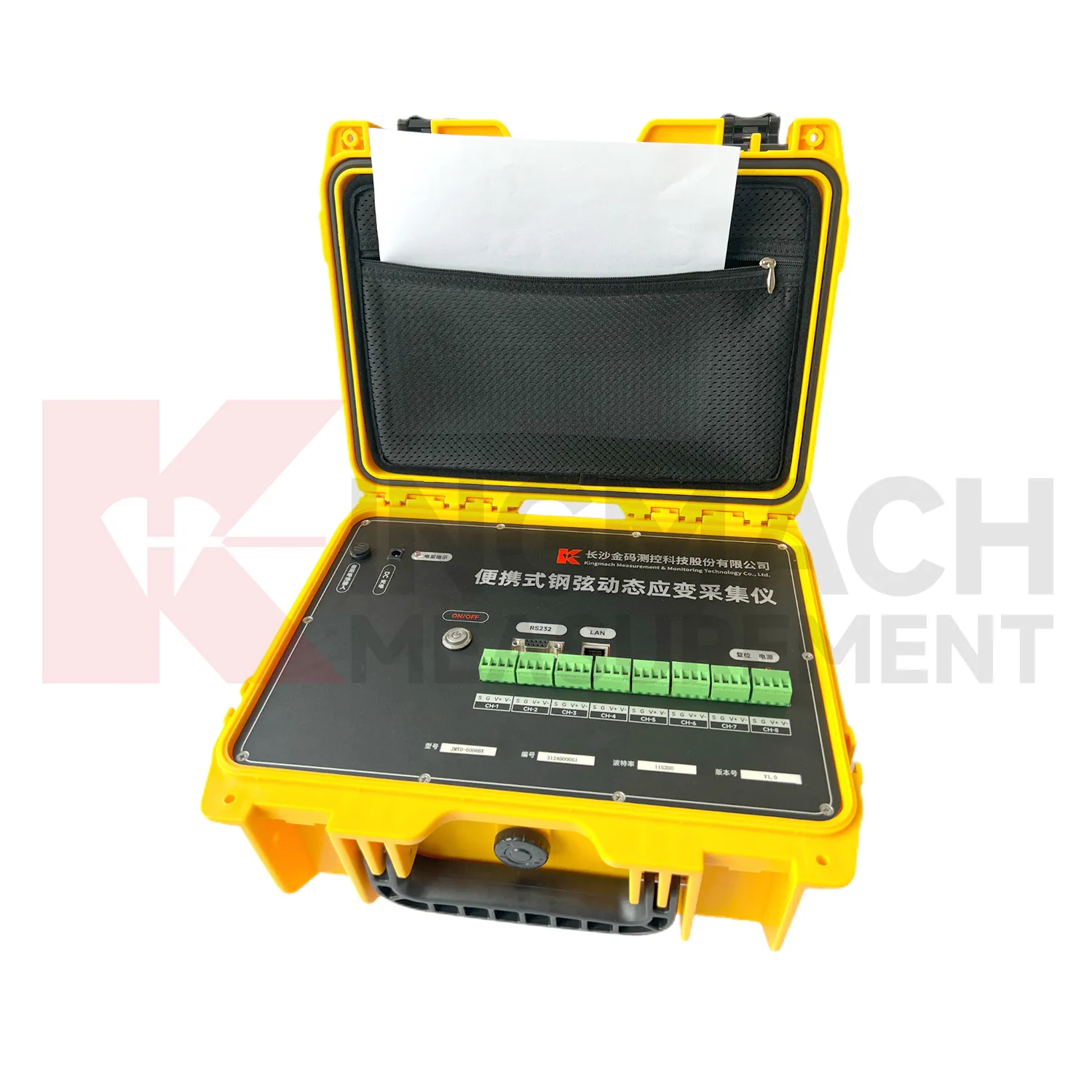
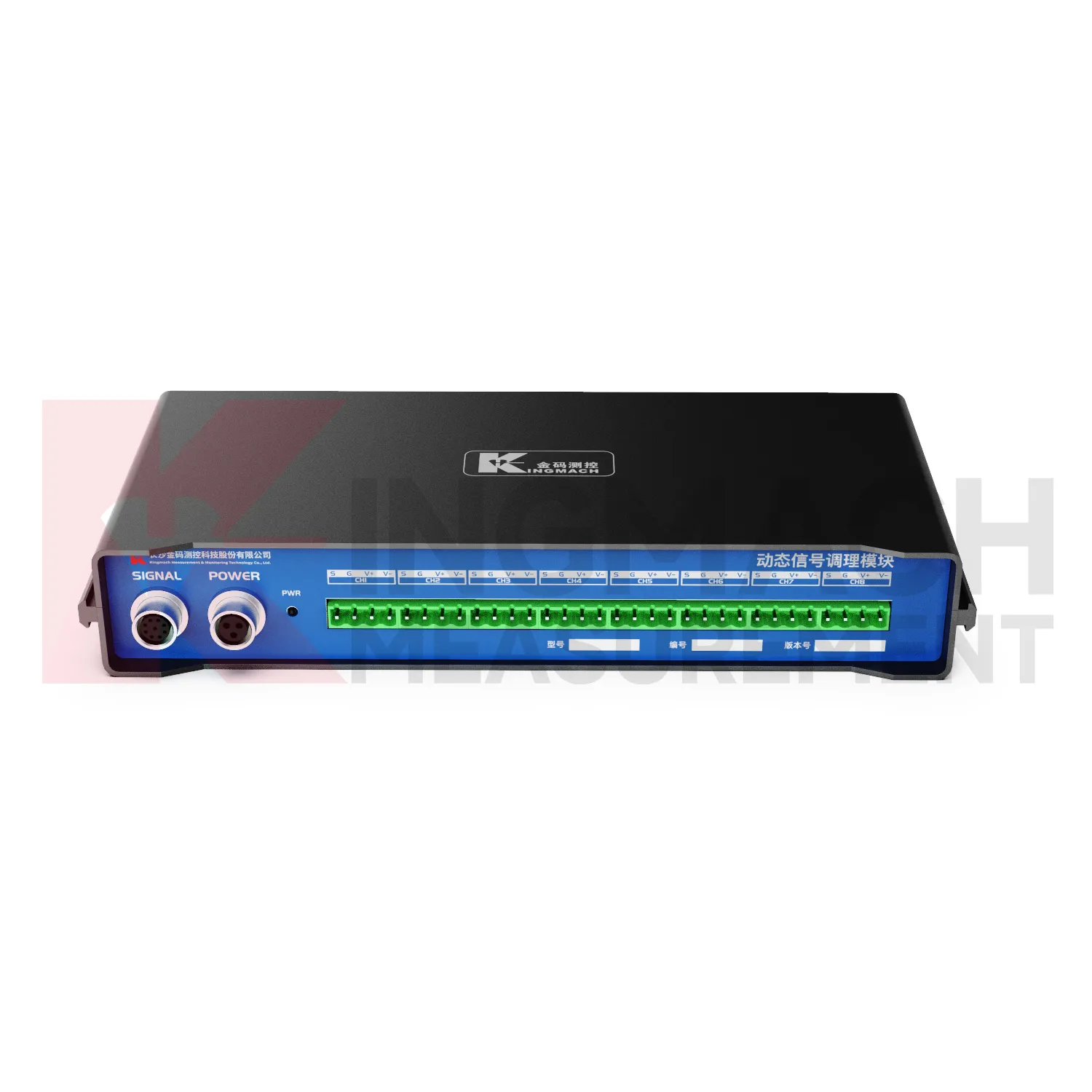
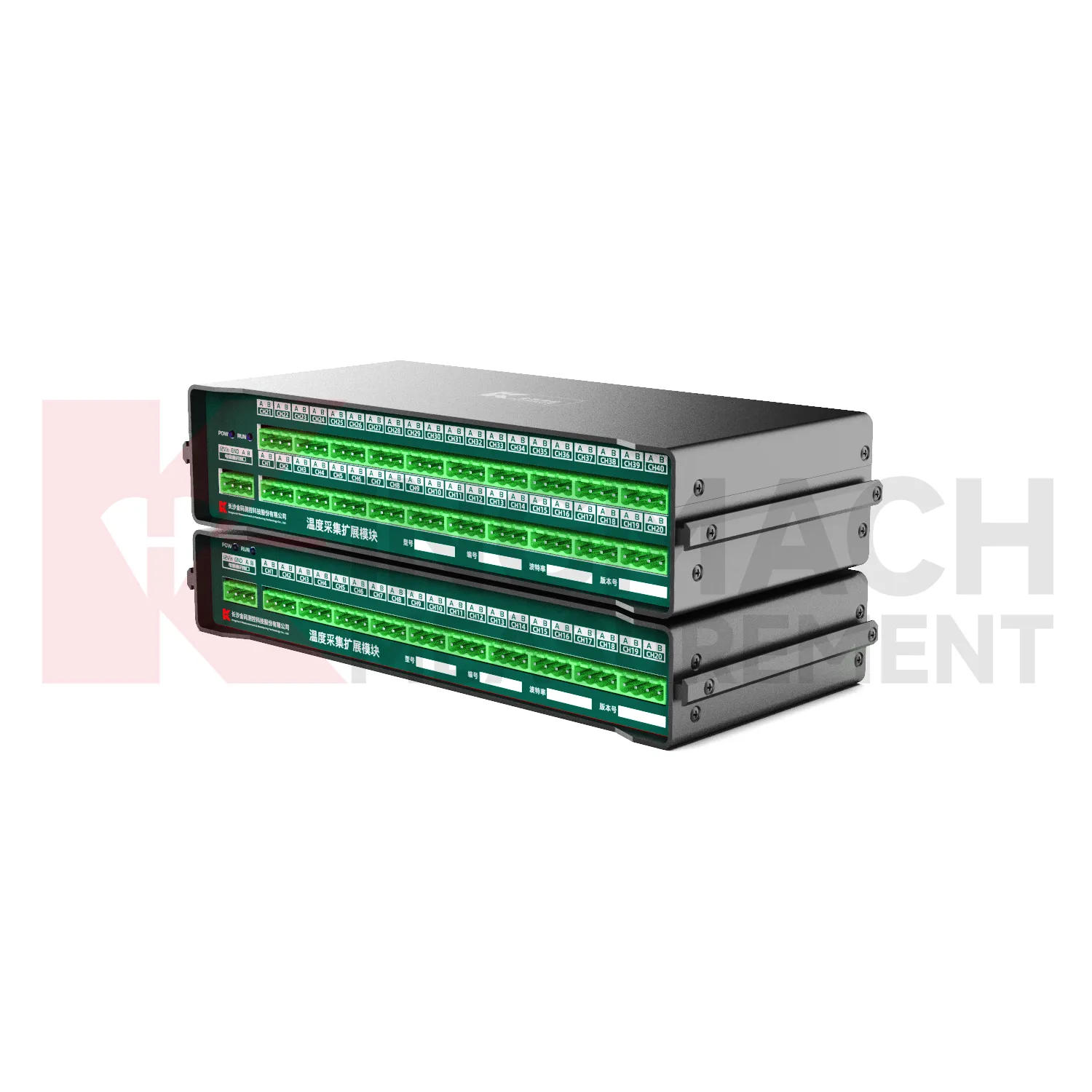
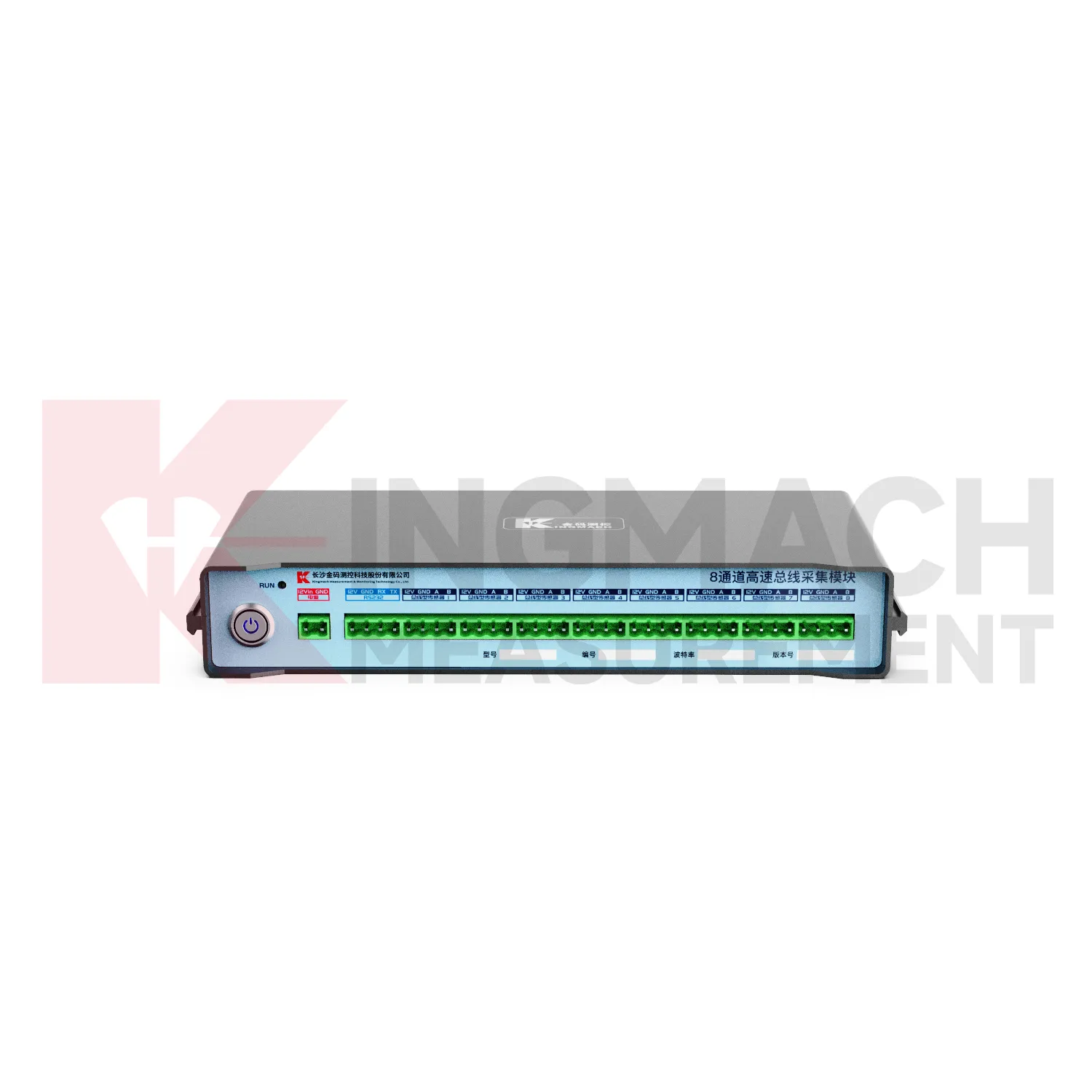
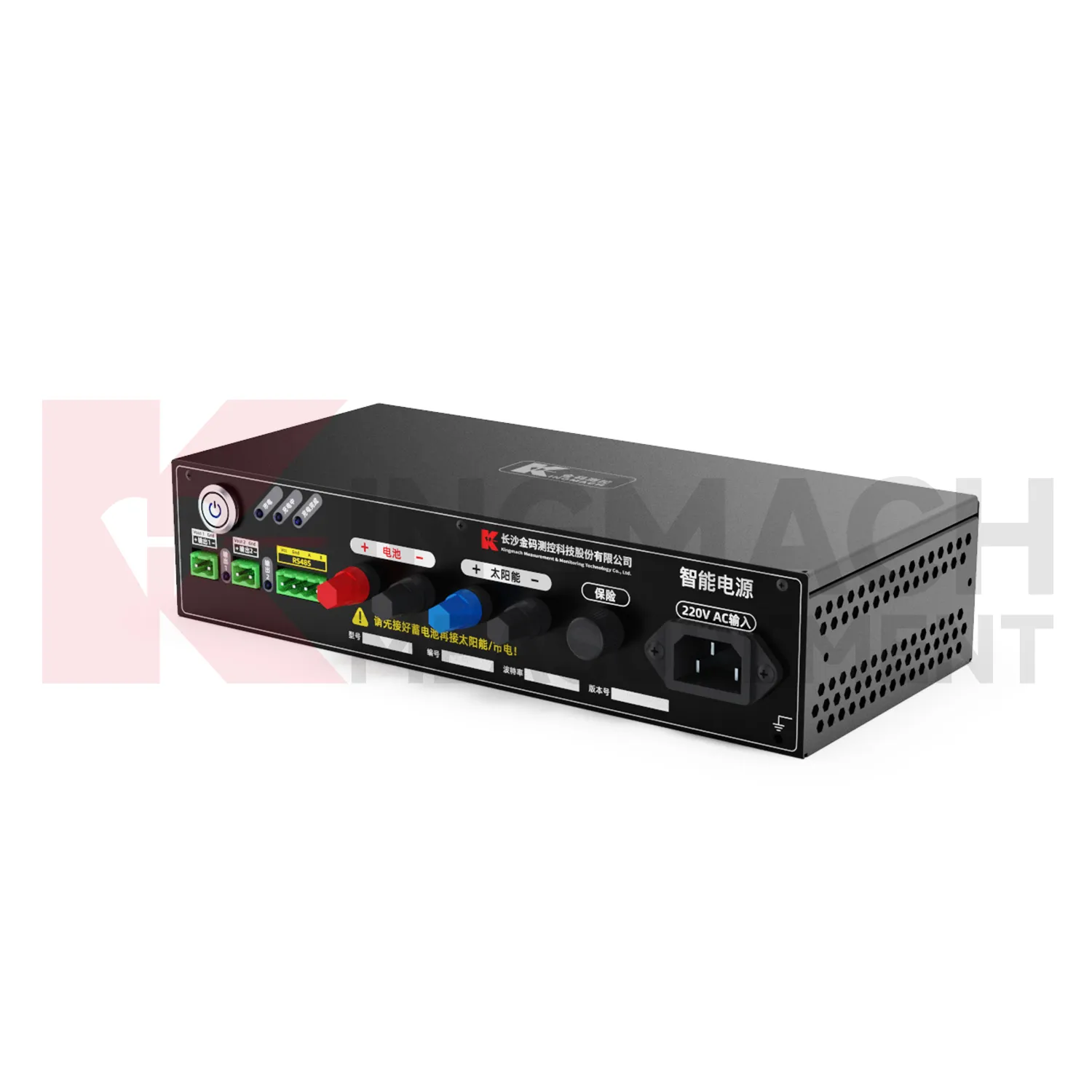
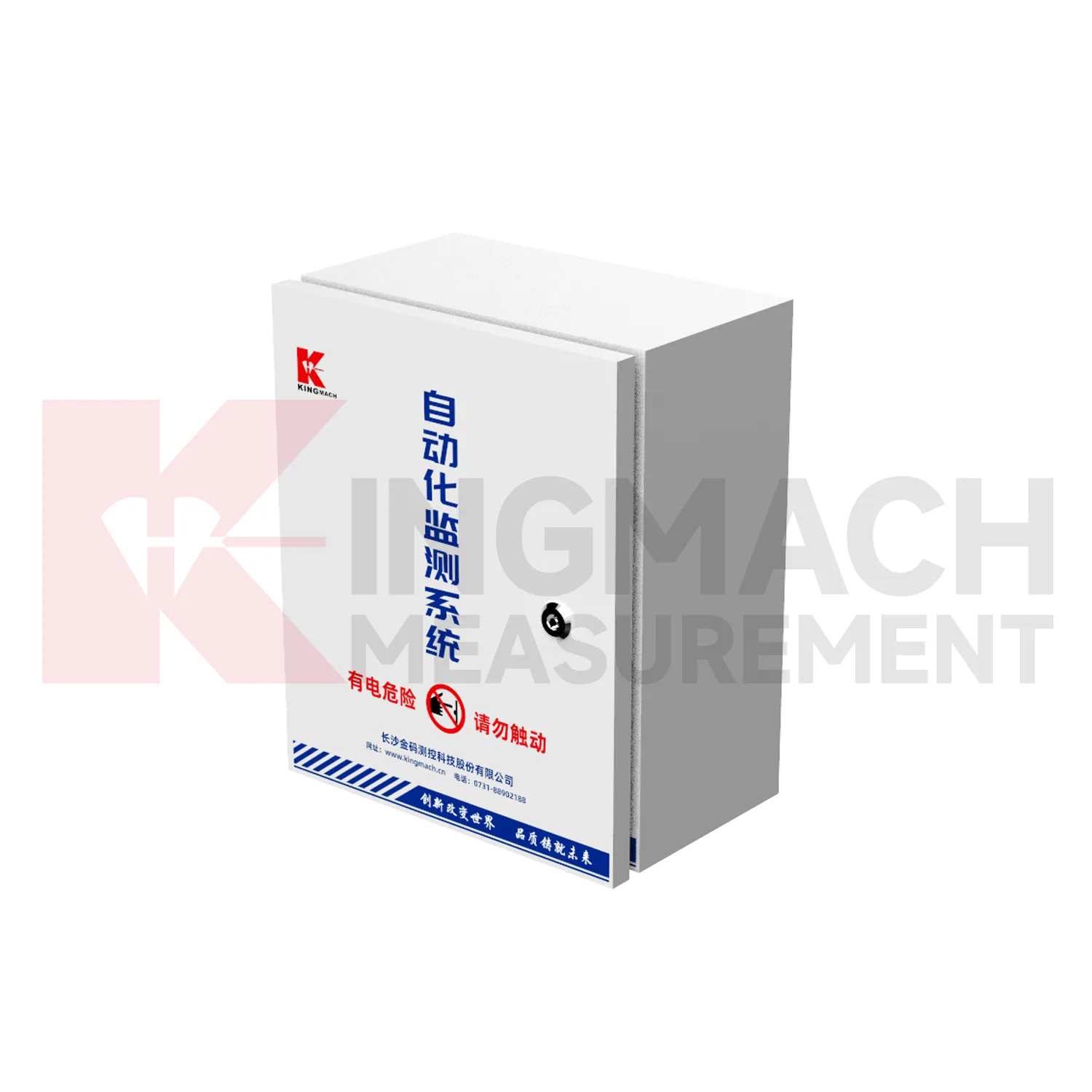
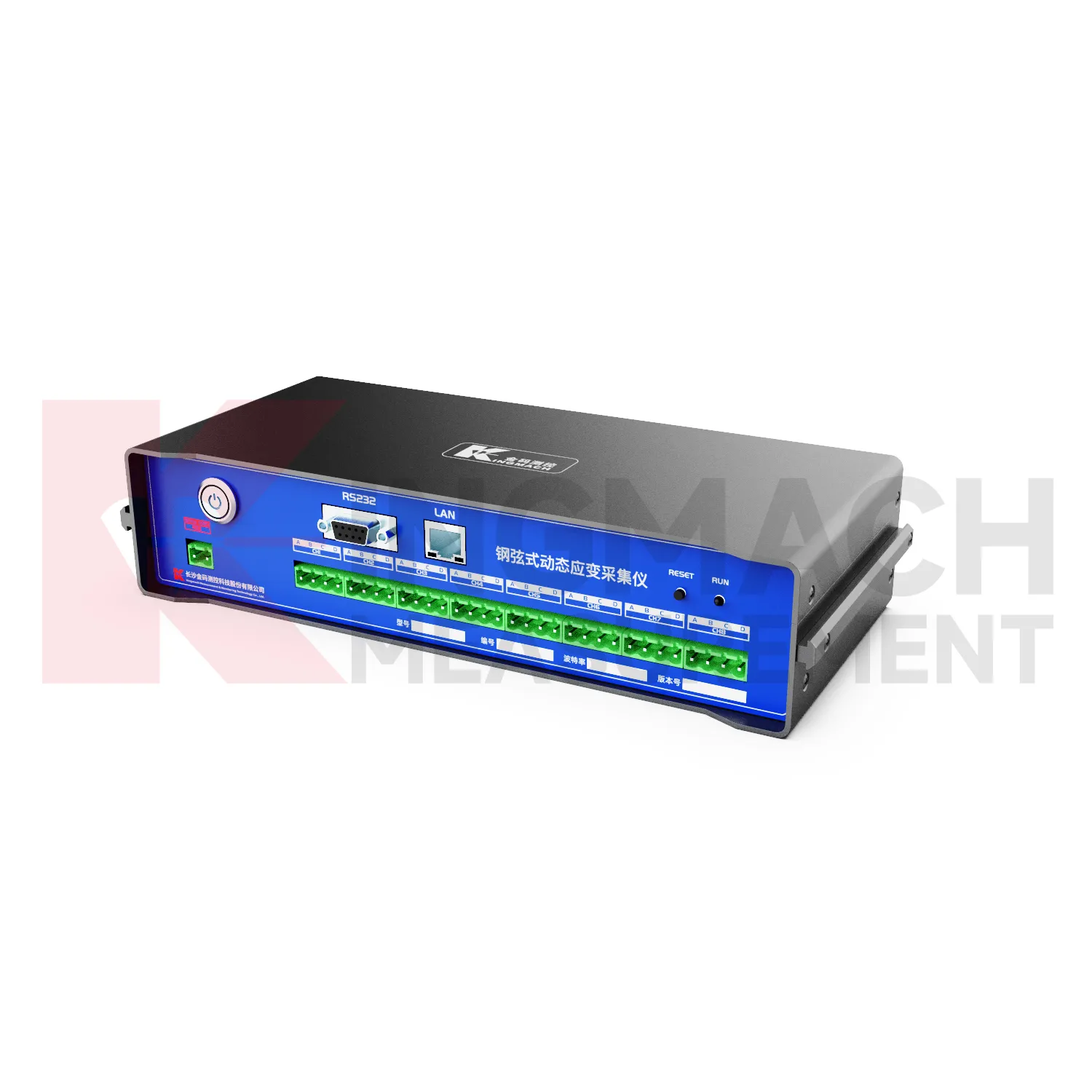
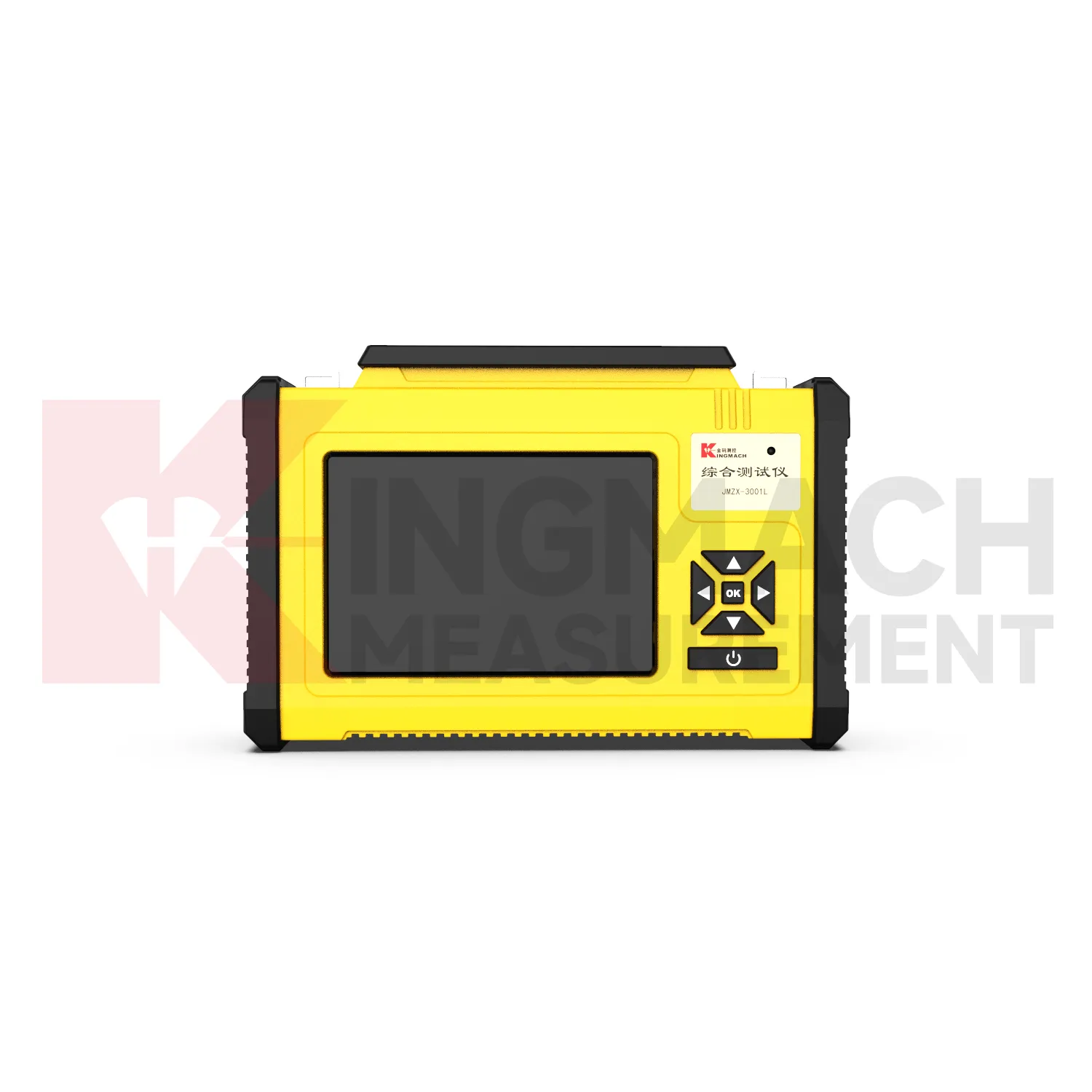
Kingmach wireless analog data logger are designed for the practical data chain that starts at the sensor and ends with engineering review. The category covers handheld verification, automatic logging, field display, wireless transmission, local storage, and data export. A comprehensive readout is useful for commissioning because it can confirm sensor identity, physical values, and temperature-related information on site. A dynamic strain data logger is useful when vibrating wire sensor signals need synchronized acquisition for construction or structural monitoring. A low-power wireless logger is useful when a remote point must collect data over long periods with limited access. These devices are most effective when channel labels, point locations, communication settings, and maintenance records are planned before installation. The project file should define how each reading moves from the field device to the reviewed record. That includes who names channels, who checks first values, where exported files are stored, and how abnormal readings are confirmed. When these steps are clear, the acquisition device becomes part of a controlled monitoring process rather than a separate instrument. This helps engineering teams trace values back to the correct sensor, location, time period, and field condition during later review. It also supports cleaner handover when the project changes from construction monitoring to owner operation.
Application of wireless analog data logger
Slope and foundation pit monitoring uses Kingmach wireless analog data logger to keep displacement, load, pore pressure, rainfall, tilt, and structural response records organized. Field crews may use readouts to check sensors during excavation stages, anchor tensioning, drainage work, or inspection visits. Wireless loggers are useful when the site needs continuous records through rain, night shifts, or limited access periods. The acquisition interval should match the risk level and the construction stage. If excavation changes quickly, more frequent records may be needed; if the site is stable, routine intervals may be enough. A well-labeled data logger helps engineers compare changes with rainfall, excavation depth, support installation, and site photographs. In foundation pits, the monitoring record should follow construction sequence closely. Excavation depth, support installation, dewatering activity, anchor work, and heavy rainfall can all change the reading pattern. Acquisition equipment should help the team keep these events attached to the correct sensor group. This makes it easier to see whether a change belongs to construction progress, weather, support behavior, or a device issue. It also helps supervisors compare readings before and after excavation steps, temporary loading, rainfall response, and support adjustments without losing the site timeline. across the construction record. for later review. clearly.
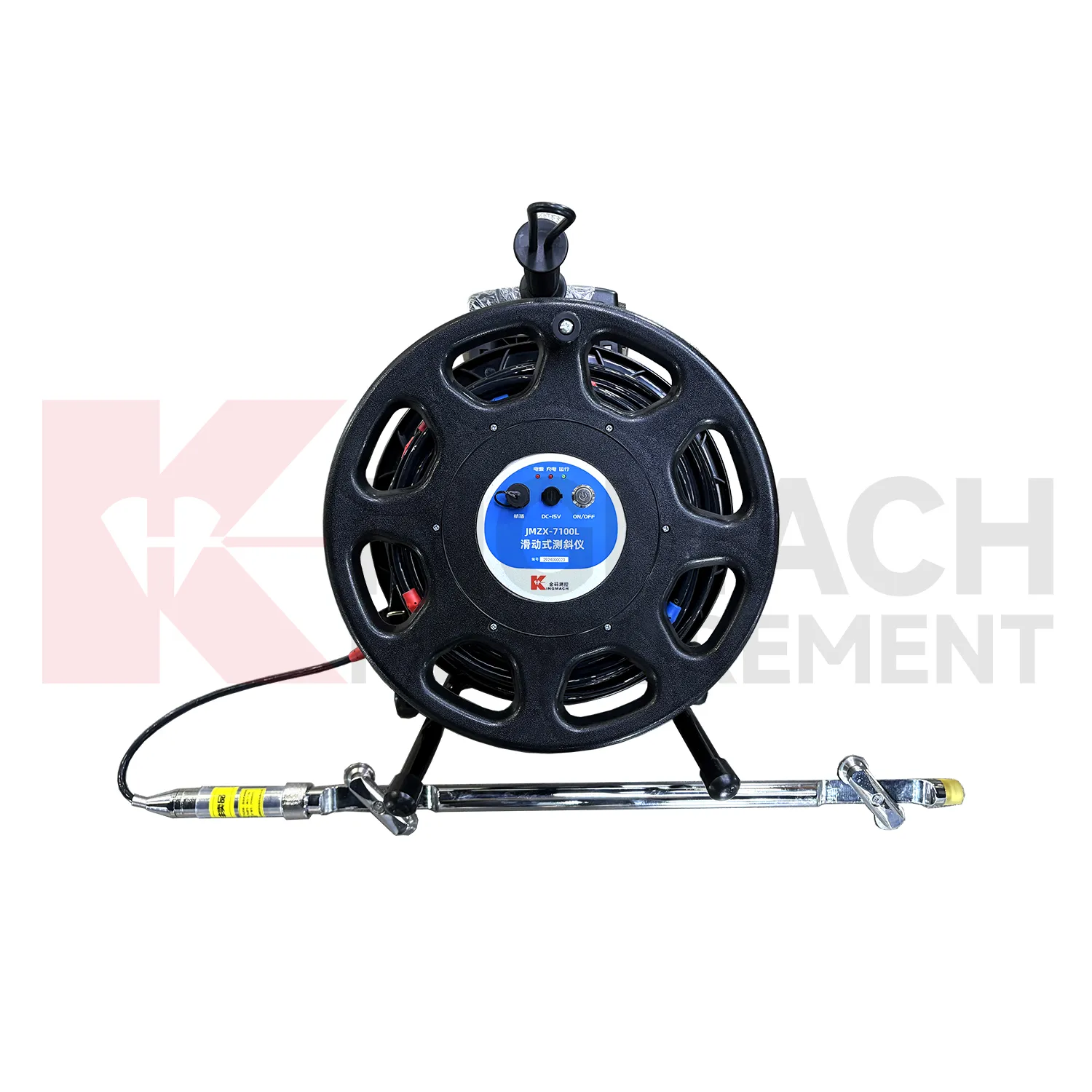
The future of wireless analog data logger
Future Kingmach wireless analog data logger will support stronger links between acquisition equipment and monitoring platforms. Readouts and loggers will remain physical field devices, but the value of the record increases when data can move into review systems without losing channel identity or site context. Stable export, wireless upload, remote update, and platform naming discipline will become more important. This direction helps owners maintain continuous records across portable checks, fixed stations, dynamic tests, and long-term monitoring dashboards. Platform integration should also protect field meaning. A channel uploaded from a remote logger should still show its structure, sensor type, acquisition interval, and maintenance state inside the review system. If that identity is lost, the dashboard may look complete while the engineering meaning becomes weak. Future acquisition planning should therefore treat device configuration and platform naming as one connected task. This will reduce manual cleanup after data export and improve long-term traceability. for owners. clearly.
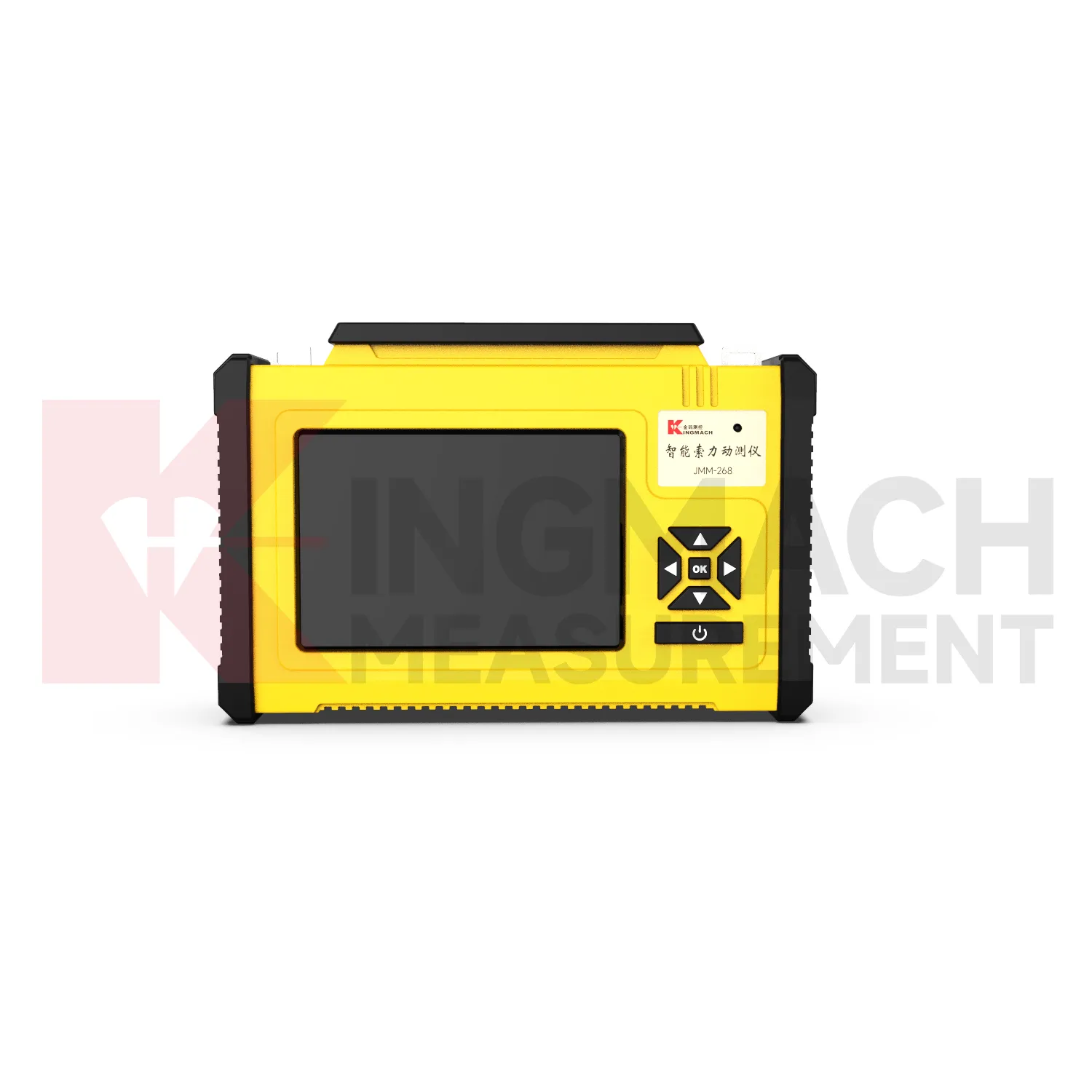
Care & Maintenance of wireless analog data logger
Dynamic acquisition maintenance for Kingmach wireless analog data logger should focus on timing, synchronization, and signal condition. Check channel connections, grounding, sampling settings, event names, trigger rules, and storage capacity before a test. Dynamic records are difficult to repeat when the event is train passage, blasting, impact, or machinery start-up. After the test, save raw data, event notes, sensor positions, and any abnormal site activity. This maintenance discipline helps engineers interpret the waveform and compare repeated events without uncertainty about the acquisition setup. Before the next test, review whether the previous event was captured cleanly. If a channel clipped, drifted, lost connection, or showed unexpected noise, correct the setup before relying on another event. Dynamic maintenance is therefore part of test quality, not only equipment care. The maintenance file should include sampling settings, trigger notes, cable condition, sensor mounting status, and storage location for raw files. These details help engineers repeat the test method later and compare event records under similar conditions.
Kingmach wireless analog data logger
For Kingmach wireless analog data logger, usability in the field is as important as acquisition capability. A device may be technically capable, but it still needs clear operation, readable display, secure connectors, stable power, and a practical method for exporting data. Field crews often work in tunnels, slopes, bridge decks, dam galleries, or construction zones where time and access are limited. A well-planned readout or logger reduces repeated site visits because the operator can confirm the point, store the record, and move on with confidence. This is especially useful when many sensors must be checked in one inspection round. Field usability also depends on small details: charged batteries, clean connectors, readable screen prompts, clear file names, and enough storage before the route begins. When those basics are ready, technicians can spend their time checking sensors instead of troubleshooting the instrument. during each site visit. without avoidable delay. for crews. on site safely. consistently.
FAQ
Q: Where are these devices used?
A: They are used in bridges, tunnels, dams, slopes, buildings, foundation pits, railways, mines, industrial testing, and other monitoring projects.
Q: Why combine readouts with loggers?
A: Readouts confirm field points during visits, while loggers keep collecting data between visits. Together they support both verification and continuity.
Q: What should a remote station show?
A: A remote station should show acquisition status, last upload time, power condition, active channels, storage condition, and recent maintenance history.
Q: How do these devices support reports?
A: They keep readings traceable by time, channel, sensor type, location, and device status so engineers can explain trends and events more clearly.
Q: What causes confusing readings?
A: Loose cables, wrong channel names, weak power, wet enclosures, changed settings, sensor faults, or real site changes can all create confusing records. The record stays useful when point names, channel labels, sensor type, measurement time, and field condition are kept together, because later reviewers can connect the number with the actual structure and inspection history.
Reviews
Michael Anderson
The strain gauges and load cells are extremely accurate and stable. They performed very well in our bridge monitoring project. Highly recommended!
Christopher Martinez
Very satisfied with the readouts & data loggers. User-friendly interface and supports multiple sensor inputs.
Latest Inquiries
To protect the privacy of our buyers, only public service email domains like Gmail, Yahoo, and MSN will be displayed. Additionally, only a limited portion of the inquiry content will be shown.
Charlotte***@gmail.comUnited Arab Emirates
Hi, we require instrumentation cables suitable for harsh environments. Could you advise on specifica...
Olivia***@gmail.comUnited States
Hello, we are currently sourcing high-precision strain gauges and load cells for a bridge monitoring...