
 EN
 ar
 bg
 hr
 cs
 da
 nl
 fi
 fr
 de
 el
 hi
 it
 ko
 no
 pl
 pt
 ro
 ru
 es
 sv
 tl
 iw
 id
 lv
 lt
 sr
 sk
 sl
 uk
 vi
 et
 hu
 th
 tr
 fa
 ms
 hy
 ka
 ur
 bn
 mn
 ta
 kk
 uz
 ku

crack displacement transducers market
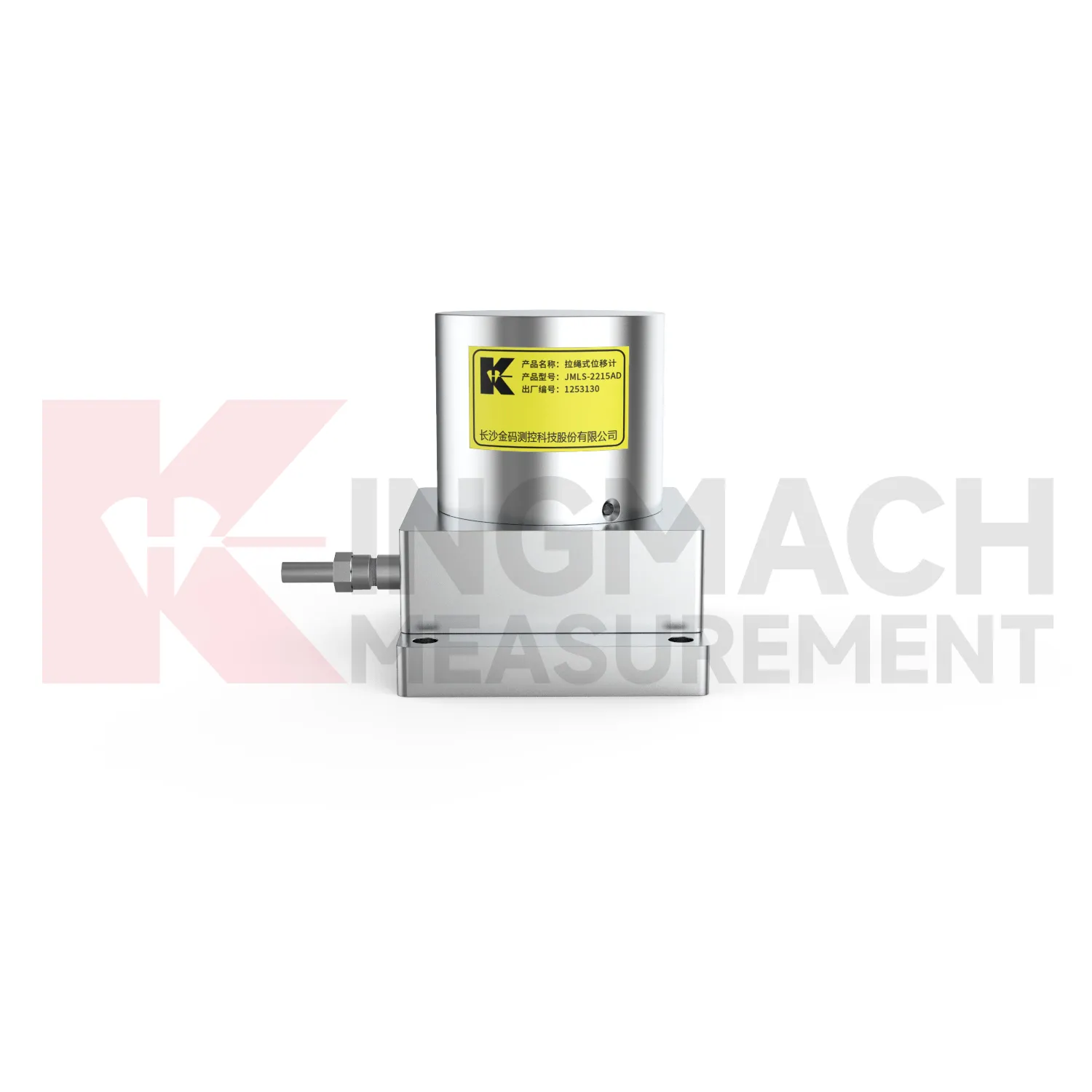
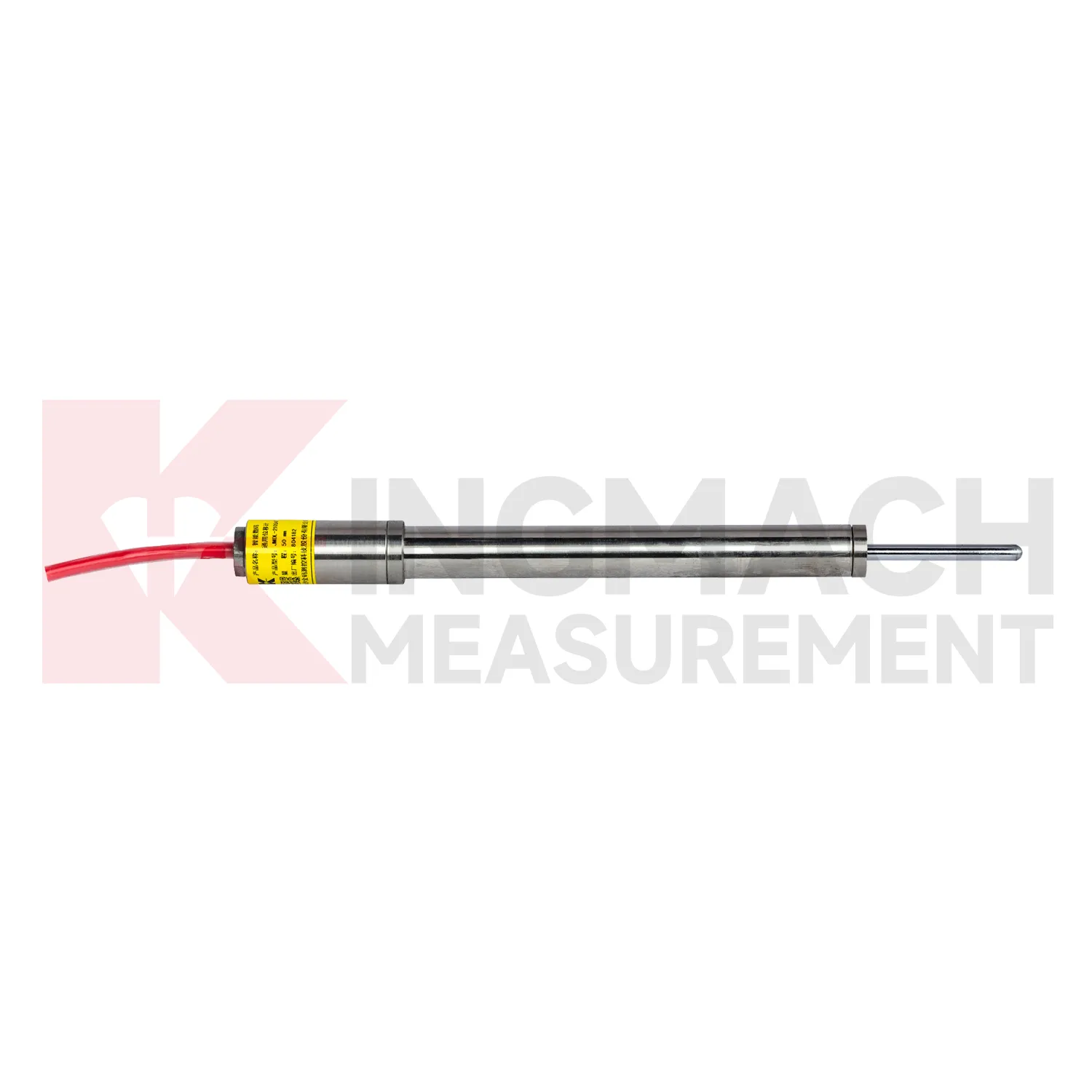
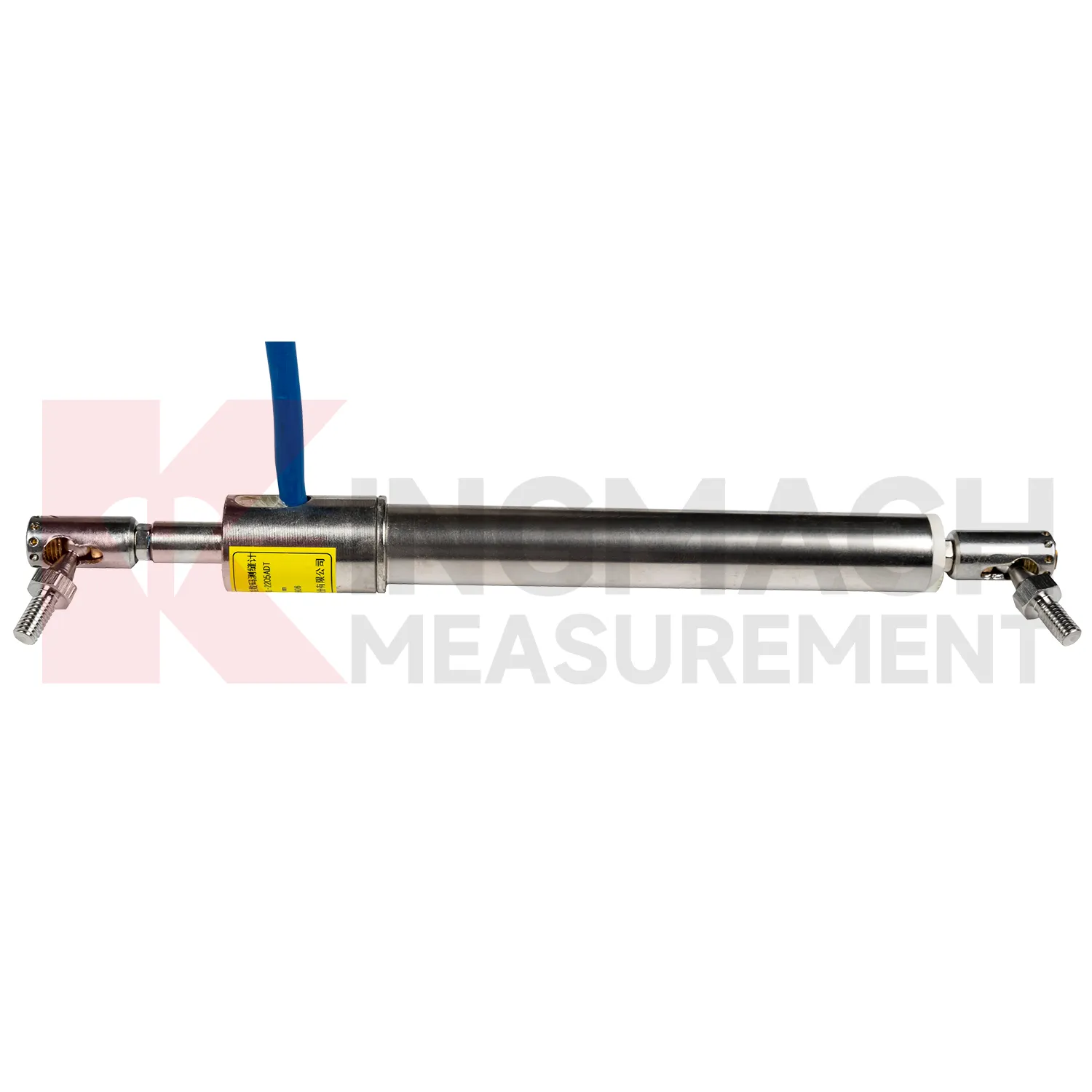
The JMLS-22XXADT Wire Rope Displacement Sensor broadens Kingmach crack displacement transducers market into long-travel and flexible-path displacement measurement. It uses a retractable plastic-coated stainless steel cable wound around a spool and a precision rotary sensor. When the cable extends or retracts, resistance changes are converted into displacement data. Listed ranges include 0 to 500 mm, 0 to 1000 mm, and 0 to 2000 mm. Product information gives 0.1 mm resolution, 0.2%FS accuracy, DC 9V to 24V operating voltage, power consumption at or below 0.3 W, RS485 communication at 2400 bps, IP67 sealing, operating temperature from -30 degrees Celsius to +70 degrees Celsius, dimensions of 115 mm by 85 mm by 100 mm, and approximately 1 kg weight. The product supports linear and curved displacement monitoring, making it useful for dam monitoring, geohazard prevention, tunnel clearance, machinery position, soil and rock movement, and long-distance movement between two points. During project setup, the measuring point should be matched with the expected travel direction, available mounting space, cable route, and required acquisition interval. This prevents a short-range joint instrument from being used on a long-travel point, or an exposed sensor from being placed where an embedded anchor is needed. It also helps the monitoring team set a baseline that can be defended during acceptance and later maintenance review.
Application of crack displacement transducers market
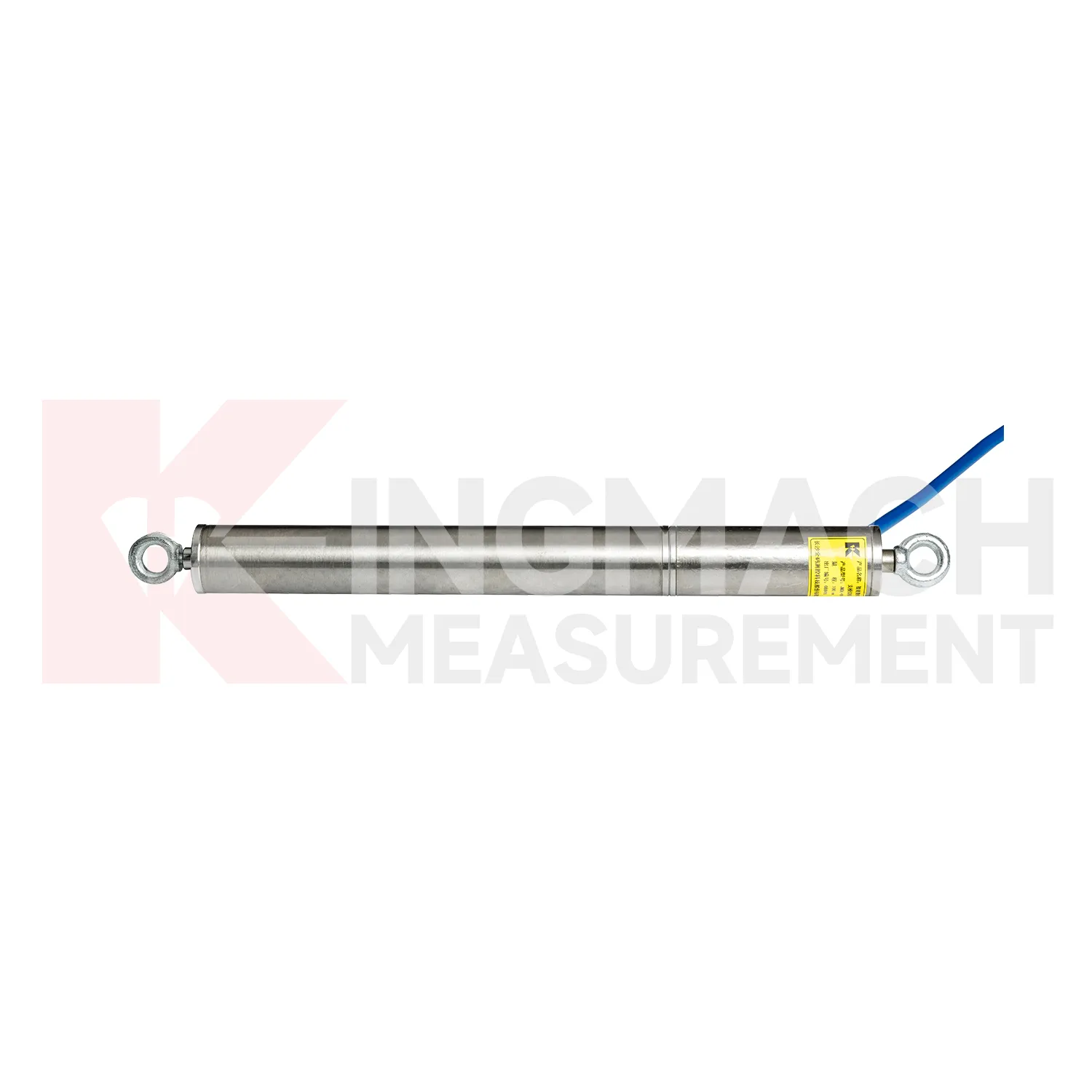
In bridge monitoring, crack displacement transducers market are used at expansion joints, bearing zones, abutments, arch supports, deck gaps, and structural interfaces where relative movement affects service safety. The common pain point is that bridge movement may look normal during one inspection but reveal risk when compared over temperature cycles, traffic load, and maintenance events. Kingmach JMDL-52XXADT differential meters cover 20 mm, 50 mm, and 100 mm ranges with 0.01 mm resolution, plus or minus 0.1%FS accuracy, RS485 output, and low temperature drift. JMDL-22XXAT crack gauges can track joint opening or crack width up to 200 mm, while JMLS-22XXADT wire rope sensors can monitor longer movement paths up to 2000 mm. When displacement readings are paired with strain gauges, load cells, tiltmeters, and weather data, bridge teams can distinguish seasonal joint travel from abnormal movement, bearing restraint, foundation settlement, or localized damage. During operation, the monitoring team should keep the baseline, temperature, inspection notes, and nearby sensor behavior in the same review file. This makes it easier to tell whether a movement trend comes from normal service, a repair event, changing load, water influence, or developing structural risk. Clear records also help owners decide when a field inspection is needed instead of waiting for visible damage.
The future of crack displacement transducers market
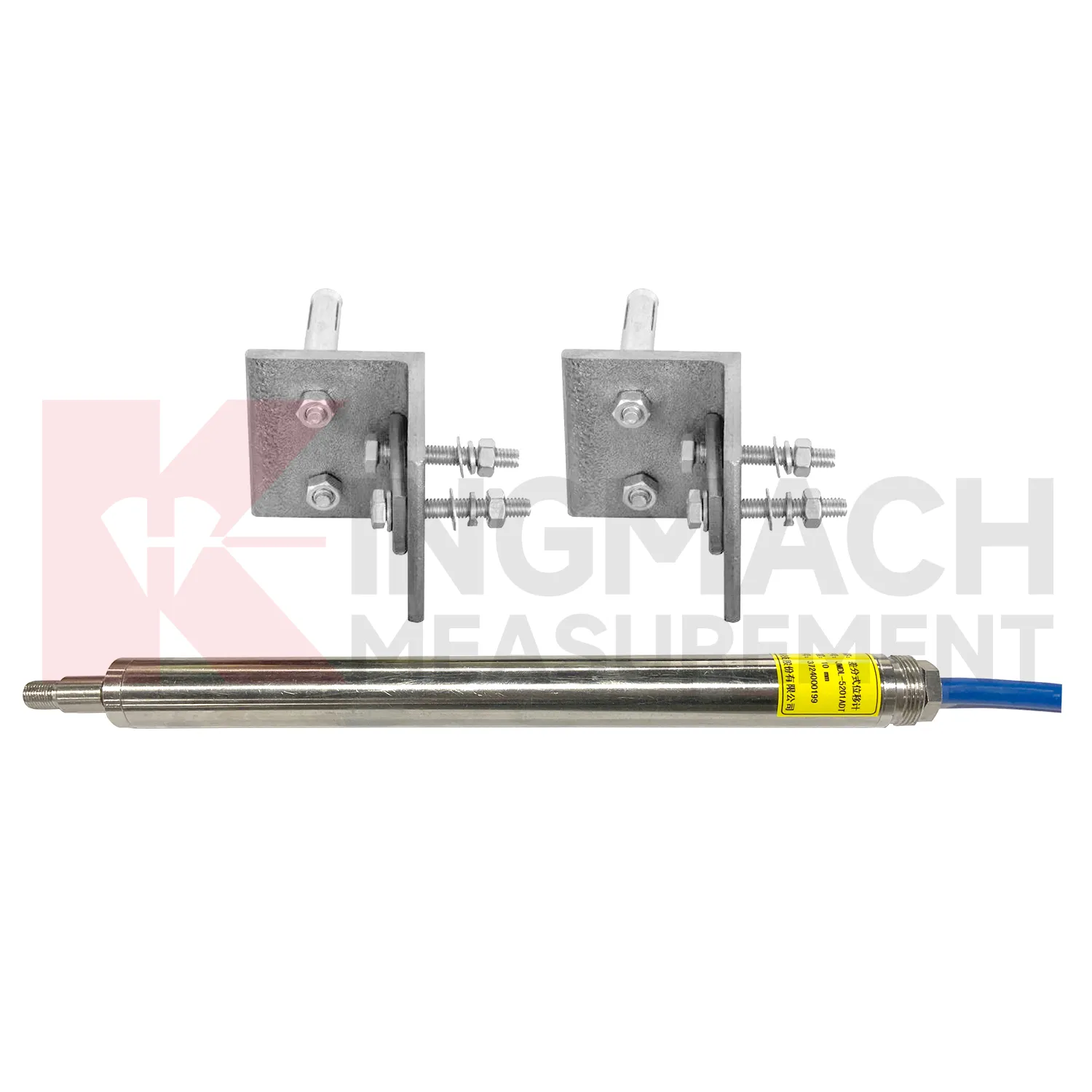
Future crack displacement transducers market will need to serve both precision monitoring and construction-speed decisions. A long-term bridge joint may need high precision differential measurement over many years, while a high-formwork support may need fast warnings during a short concrete pouring window. Kingmach already separates these needs through product forms: JMDL-52XXADT for high precision relative displacement, JMDL-49XXAT for formwork and steel wire displacement, JMDL-24XXAT for flexible geogrid deformation, and JMLS-22XXADT for long travel draw-wire monitoring. As monitoring platforms mature, project teams can select sampling intervals, warning levels, and report formats by construction risk rather than using one schedule for every point. This will make displacement data more actionable for site managers, not only for later technical reports. The strongest systems will still depend on careful installation, because digital tools cannot correct a loose bracket, wrong range, or poorly recorded baseline. Clear reporting will make displacement monitoring more useful for non-specialist decision makers while preserving the detail engineers need.
Care & Maintenance of crack displacement transducers market
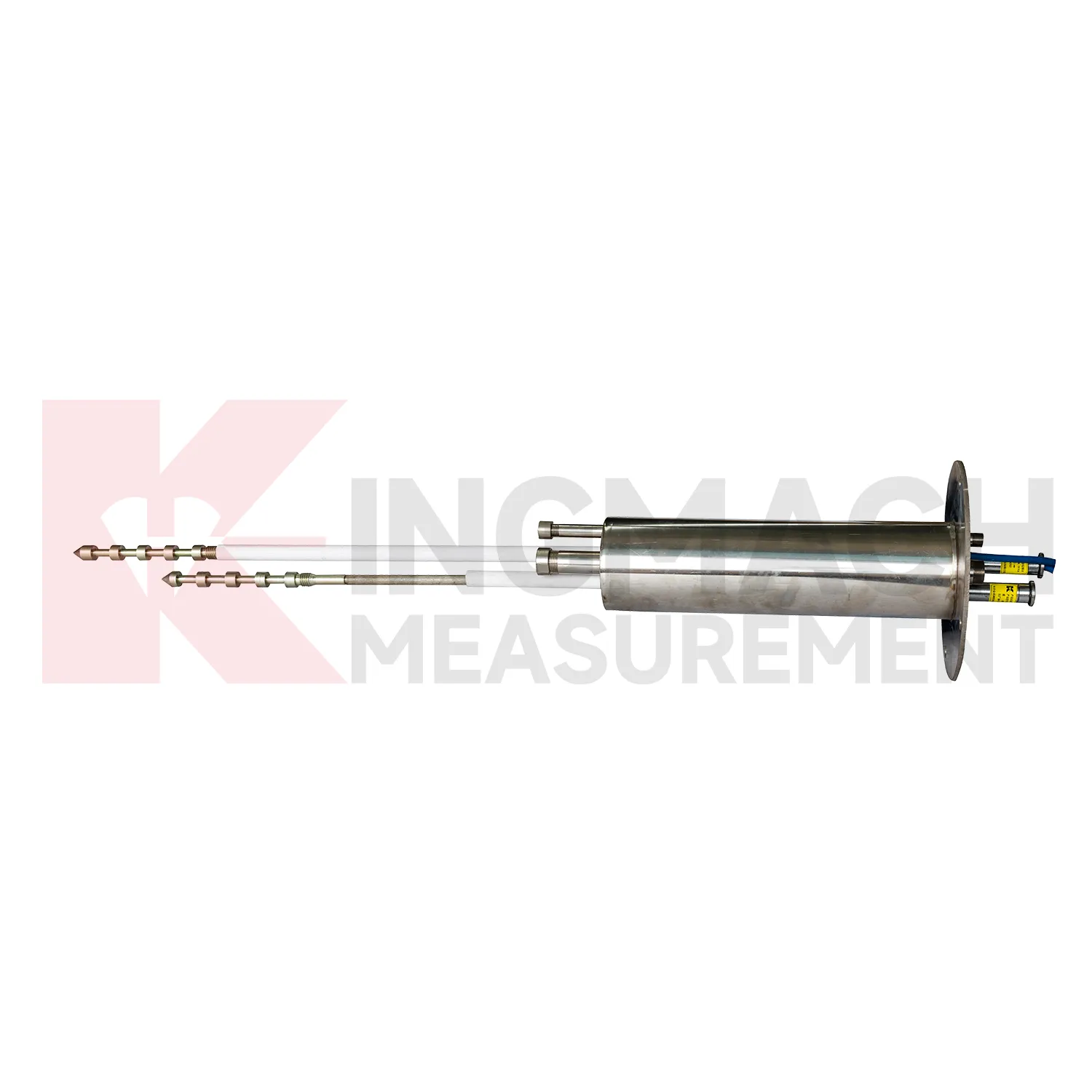
Care for crack displacement transducers market starts with selecting the correct range before installation. A 20 mm or 50 mm joint sensor cannot replace a 1000 mm draw-wire sensor, and an embedded rock displacement meter cannot be treated like a surface crack gauge. Confirm model, range, resolution, accuracy, mounting accessories, cable length, power supply, output type, waterproof rating, and acquisition method before the instrument is shipped to site. For Kingmach products, check whether the selected model is JMDL-21XXAT, JMDL-22XXAT, JMDL-24XXAT, JMDL-31XXAT, JMDL-32XXAT, JMDL-49XXAT, JMDL-52XXADT, JMCW-21XXADT, or JMLS-22XXADT. During installation, record the zero reading only after brackets, anchors, measuring rods, cable pulls, or grouted points are stable. A rushed baseline can make every later reading harder to interpret, even when the sensor itself is working correctly. Keep the installation photo, point number, zero value, and expected movement direction with the commissioning record for later review. If a reading changes after maintenance work, inspect the base, anchor, cable, and cabinet before assuming the structure itself has moved.
Kingmach crack displacement transducers market
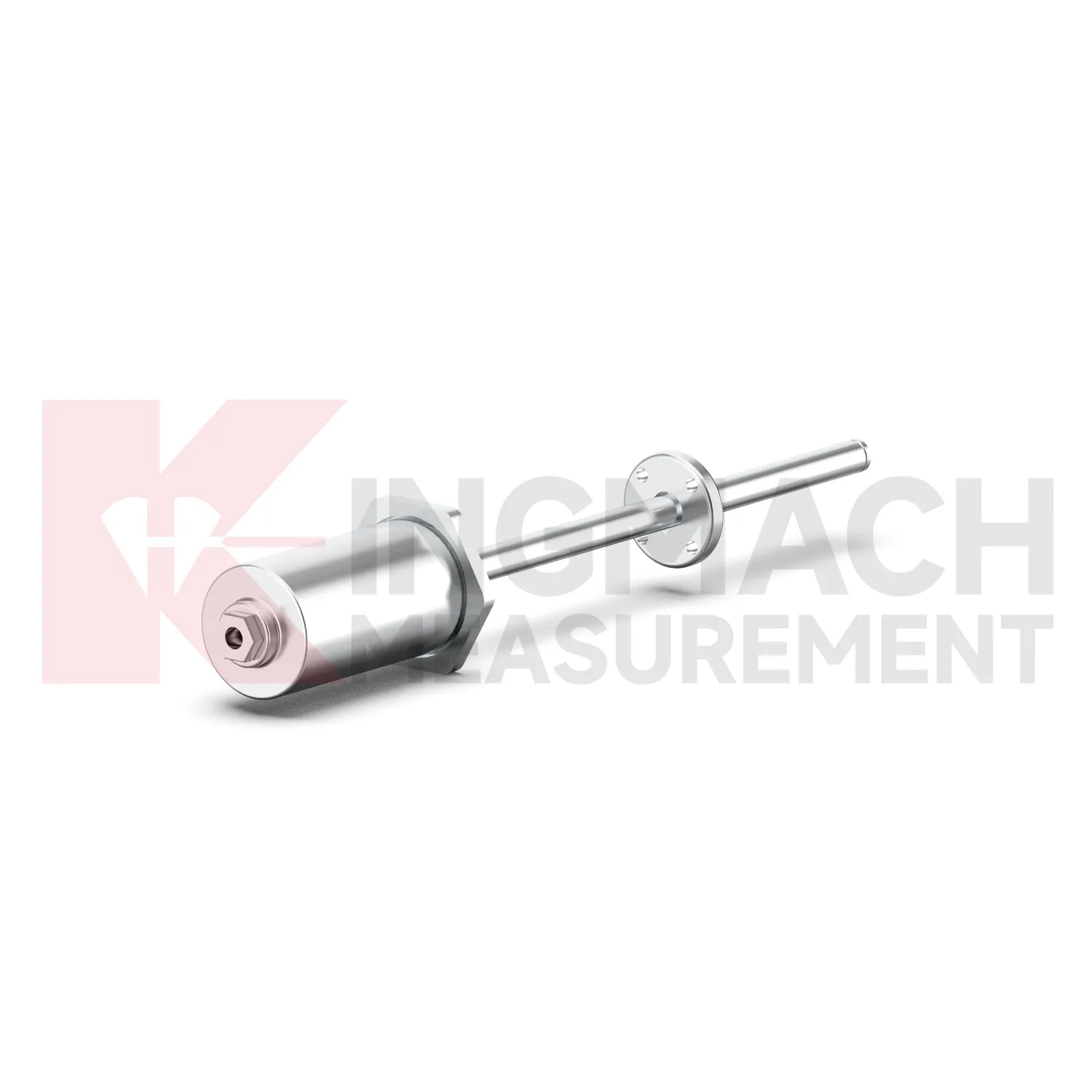
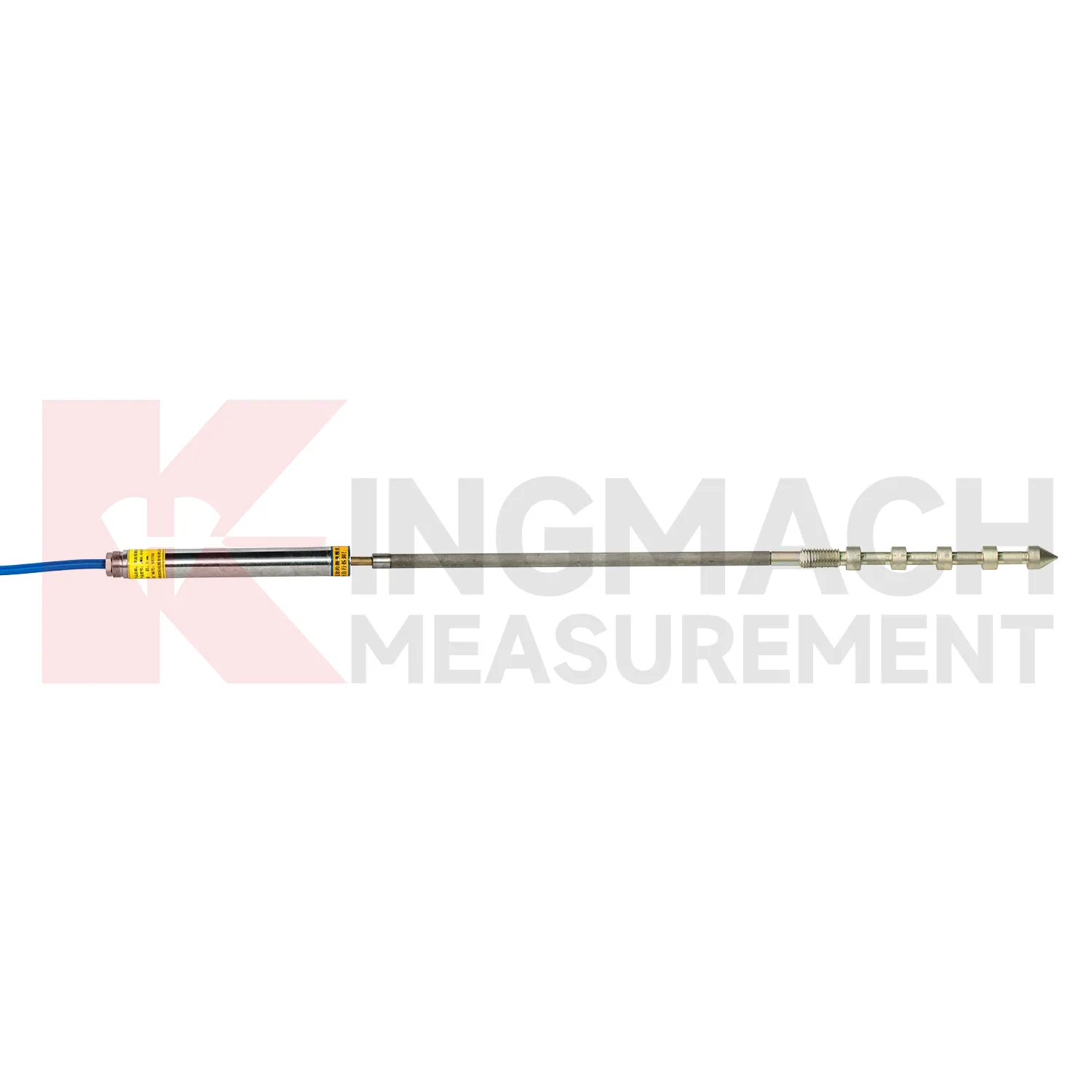
crack displacement transducers market give field teams a direct way to watch components that are hard to judge by sight. A formwork pipe may shift during pouring, a rock layer may slide behind the excavation face, a geogrid may deform inside reinforced soil, and a dam joint may open after water level change. Kingmach's product range includes non-contact designs where the measuring rod and coil work independently, reducing mechanical wear and installation damage. The JMDL-24XXAT flexible displacement meter uses a bendable measuring rod for geogrid monitoring, with 30 mm and 50 mm ranges, 0.01 mm sensitivity, and 0.5%FS accuracy. The JMDL-49XXAT formwork meter offers 50 mm, 100 mm, and 200 mm ranges, IP68 protection, and temperature measurement accuracy of plus or minus 0.5 degrees Celsius. These details are useful when displacement monitoring must continue through wet, crowded, and fast-moving construction stages. The point should be named on the drawing, linked with its cable route, and checked against the expected movement direction before the first automatic reading is accepted. For daily review, the reading should be compared with nearby points, recent weather, site operations, and any loading event that could explain the movement.
FAQ
Q: What are crack displacement transducers market used for?
A: They measure movement such as relative displacement, crack width, expansion joint travel, bedrock deformation, rock layer movement, geogrid deformation, formwork settlement, and equipment stroke.
Q: Which Kingmach models belong to this category?
A: Common models include JMDL-21XXAT, JMDL-22XXAT, JMDL-24XXAT, JMDL-31XXAT, JMDL-32XXAT, JMDL-49XXAT, JMDL-52XXADT, JMCW-21XXADT, and JMLS-22XXADT.
Q: What range should be selected first?
A: Start from the expected movement. Short joint monitoring may need 20 mm to 100 mm, while draw-wire or equipment travel may require 500 mm to 2000 mm.
Q: Can these products support remote monitoring?
A: Yes. Several Kingmach models support digital transmission, RS485 communication, automatic acquisition, integrated testers, or unattended monitoring systems.
Q: Why is the baseline reading important?
A: All later movement is compared against the starting point. The baseline should be recorded after the sensor, bracket, anchor, cable, and structure are stable.
Reviews
James Thompson
The tiltmeters and accelerometers are very sensitive and provide precise data. Perfect for our structural health monitoring system.
Daniel Brown
Excellent environmental monitoring sensors. The data is consistent, and the system integrates smoothly with our existing setup.
Latest Inquiries
To protect the privacy of our buyers, only public service email domains like Gmail, Yahoo, and MSN will be displayed. Additionally, only a limited portion of the inquiry content will be shown.
Ava***@gmail.comAustralia
Hi, I am looking for reliable tiltmeters and accelerometers for structural health monitoring. Please...
Emma***@gmail.comCanada
Dear Sir/Madam, we are interested in displacement transducers and settlement sensors for a geotechni...
Related product categories
- laser displacement sensors
- non contact displacement sensor
- cable displacement sensor
- draw wire displacement sensor
- inductive displacement sensor
- lvdt displacement sensor
- inductive displacement sensors
- GNSS
- Integrated GNSS
- crack gauge monitor
- crack displacement transducers market
- custom displacement transducers