
 EN
EN
 ar
ar bg
bg hr
hr cs
cs da
da nl
nl fi
fi fr
fr de
de el
el hi
hi it
it ko
ko no
no pl
pl pt
pt ro
ro ru
ru es
es sv
sv tl
tl iw
iw id
id lv
lv lt
lt sr
sr sk
sk sl
sl uk
uk vi
vi et
et hu
hu th
th tr
tr fa
fa ms
ms hy
hy ka
ka ur
ur bn
bn mn
mn ta
ta kk
kk uz
uz ku
ku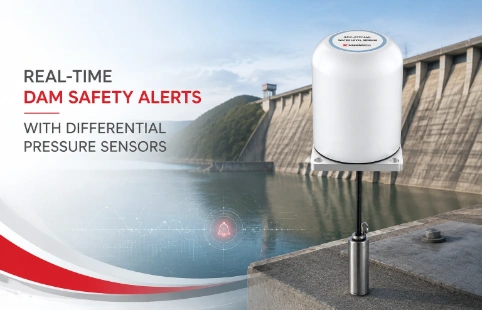
Real-Time Dam Safety Alerts with Differential Pressure Water Level Sensors
Key Takeaways An alert chain needs more than a sensor: define field in...

RS485 Highspeed Bus Acquisition Module
Connecting dozens of sensors across a site and expecting data to arrive in sync without delay is wishful thinking—unless you handle the bus carefully. RS485 still holds its ground for industrial monitoring because it handles noise and distance better than many alternatives. But not every acquisition module extracts data fast enough when you need millisecond-level timestamping for strain gauges, piezometers, or inclinometers. Kingmach’s RS485 Highspeed Bus Acquisition Module addresses that gap. We designed it for geotechnical and structural health monitoring projects where data integrity and timing matter. It polls multiple sensor nodes over a single twisted-pair bus and pushes aggregated readings to your logger or gateway with minimal overhead. The hardware fits into standard DIN-rail enclosures and works with our broader family of measurement instruments—or any compliant third-party sensor. Since most jobs aren’t identical, we also build custom firmware and channel configurations when the stock unit doesn’t match your field setup.
Technical Detail
Inside the module, a dedicated processor handles bus arbitration and protocol conversion, so the host system doesn’t get bogged down by low-level RS485 handshaking. Standard firmware supports Modbus RTU and ASCII modes, and we can load custom protocols if your sensor network uses something else. The bus driver stage includes transient voltage suppression and optional galvanic isolation for lines that run near power cables or lightning-prone outdoor runs. Data throughput depends on the baud rate and number of nodes, but the hardware can push polling cycles fast enough to capture dynamic events like pile driving or blast vibration—typical configurations refresh dozens of channels every few hundred milliseconds. Physical installation is straightforward: the module snaps onto a 35 mm DIN rail, with pluggable screw terminals for power and RS485 A/B lines, plus a USB or RS232 setup port. Kingmach includes a basic configuration utility, but most users integrate via standard Modbus commands into their SCADA or data logger software. Because every site wiring and sensor mix is different, we often adjust termination resistors, fail-safe biasing, and even the number of channels to meet project specs. Our support team can walk you through the setup or remotely troubleshoot when things don’t look right. Long-term, the module runs on 10–30 V DC and survives wide temperature swings, which matters when you’re monitoring a dam or a slope for years without a visit.
News
Key Takeaways An alert chain needs more than a sensor: define field in...
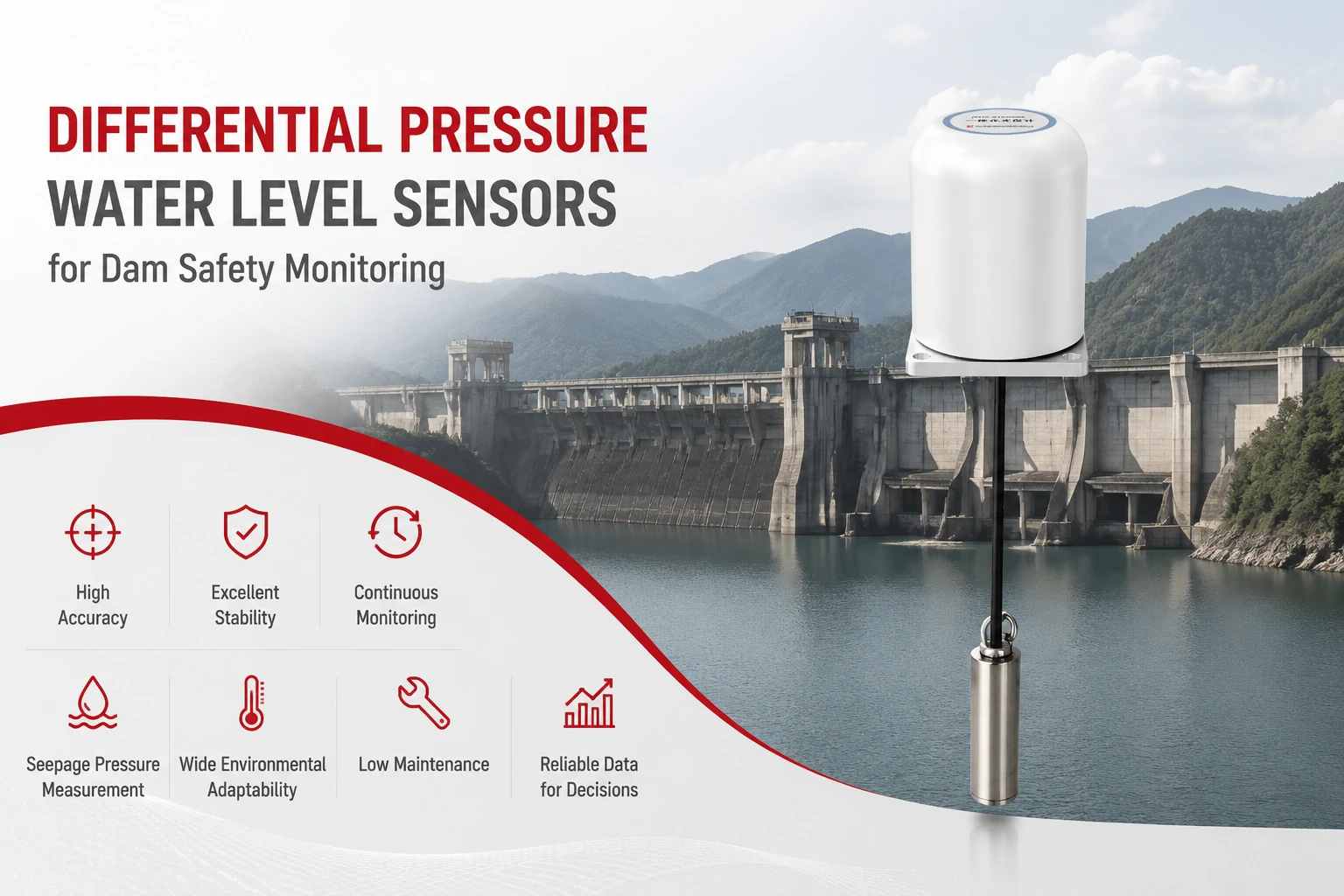
Key Takeaways The strongest fit is usually a confined, submerged, or s...
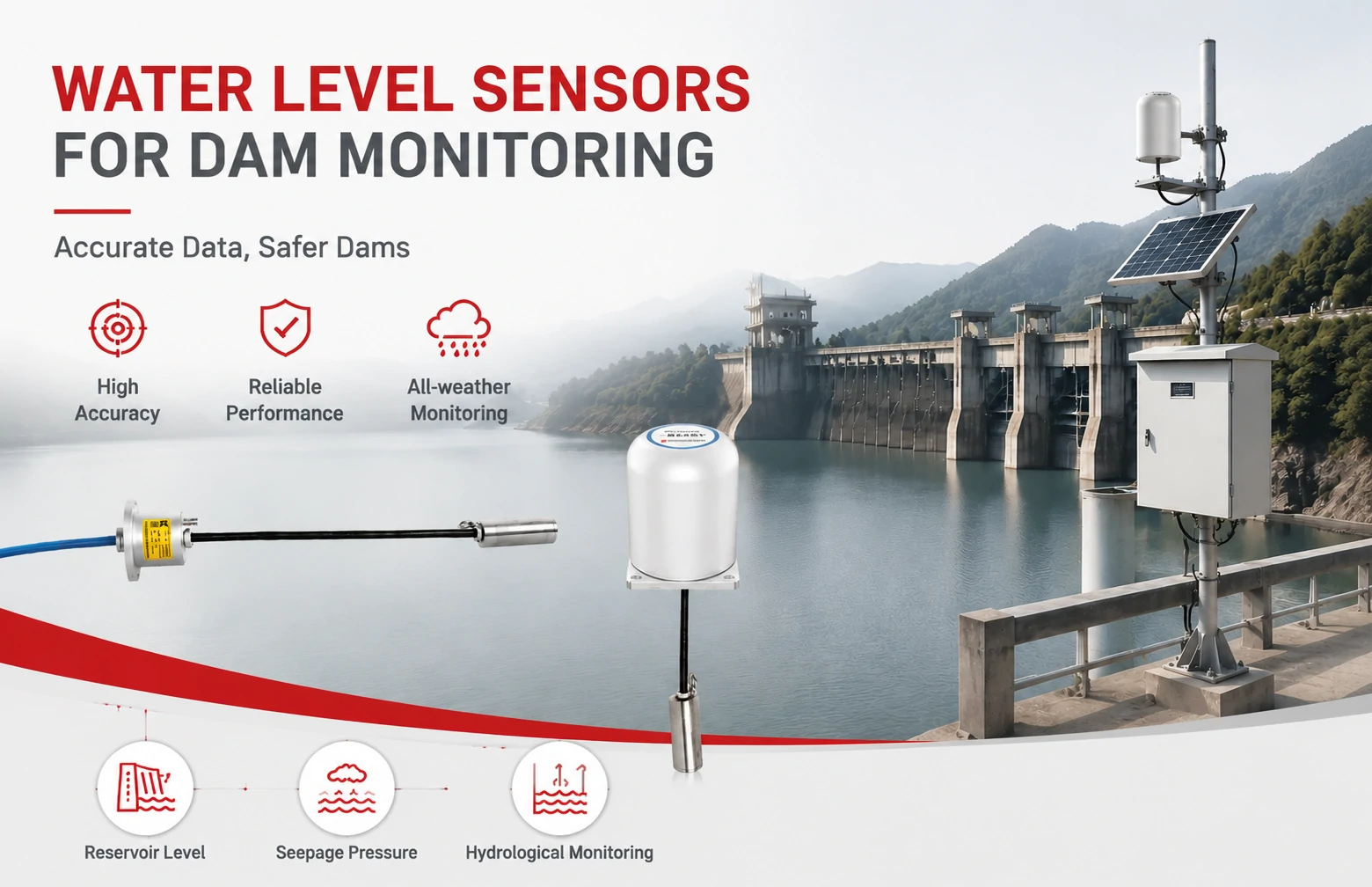
Kingmach Water Level Sensors for Dam Monitoring: A Buyer's Guide to Differential Pre...
Products
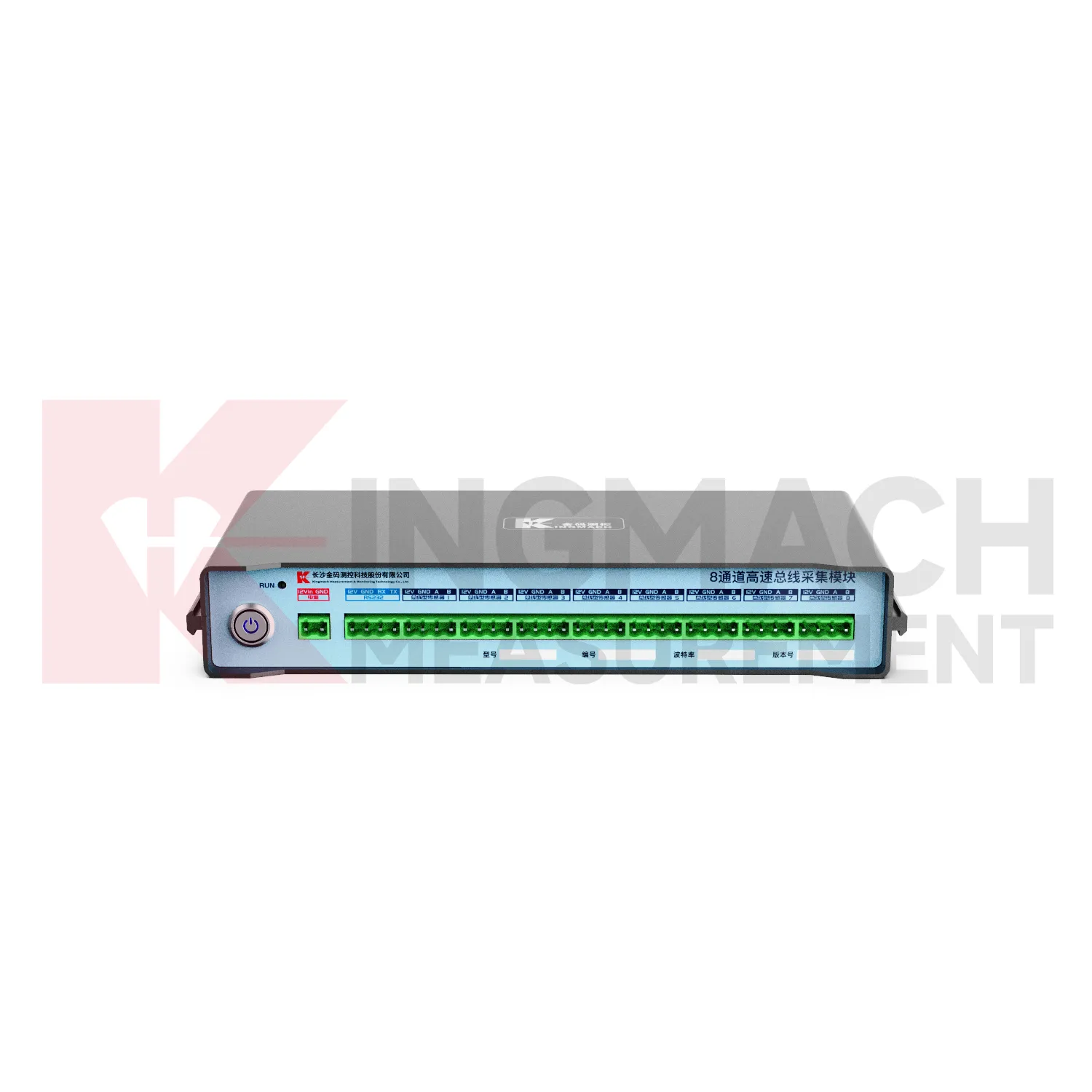
8-channel high-speed bus acquisition module JMJK-8DH
View Details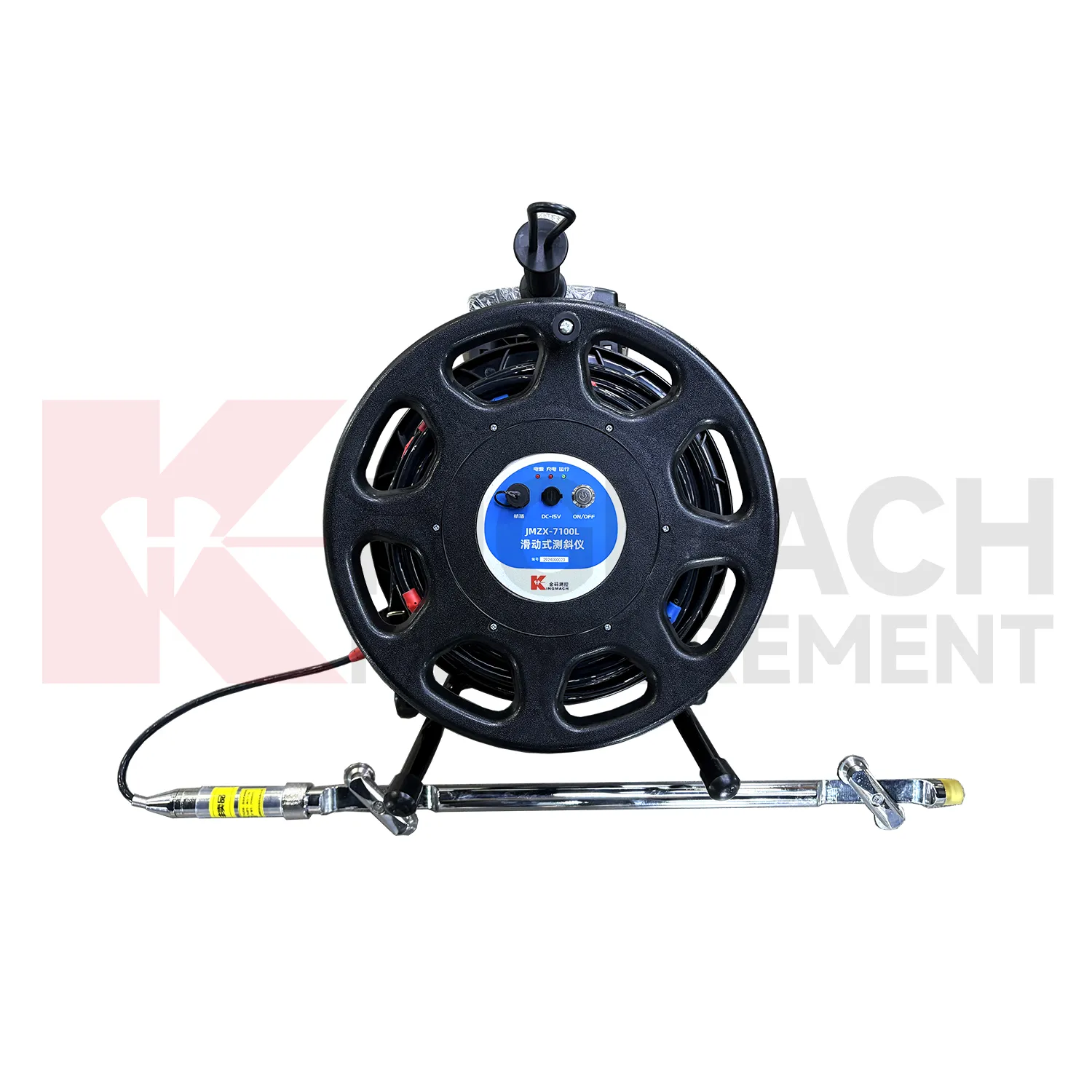
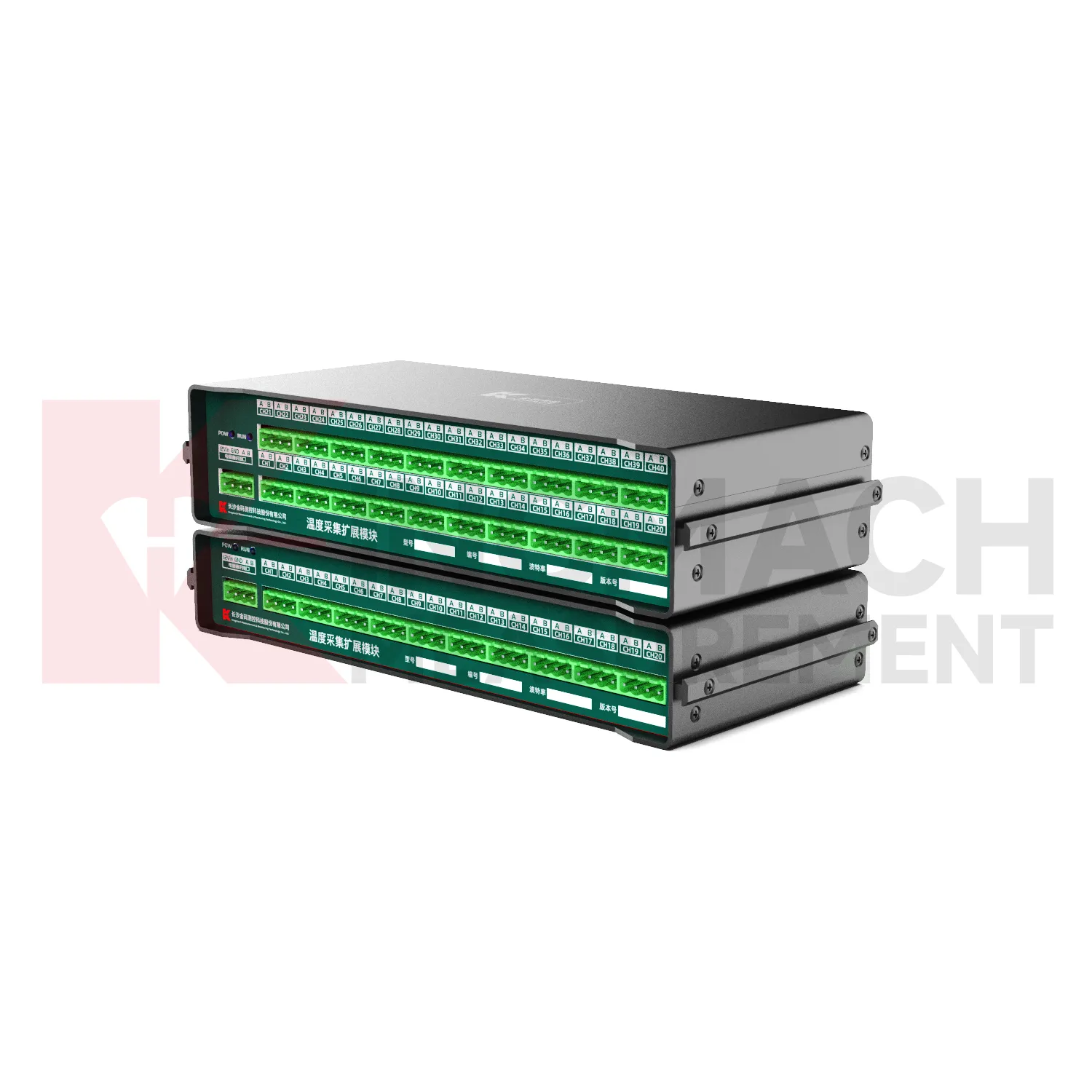
Temperature Acquisition Expansion Module JMWT-XXRTH
View DetailsFAQ
It depends on the cable length, baud rate, and sensor power consumption. With proper termination and power distribution, you can connect up to 32 standard unit loads—that’s the RS485 spec limit. In practice, many of our users run 20–25 nodes at 115200 bps with a polling cycle under 300 ms. We can help you calculate the exact limit for your setup.
Modbus RTU and Modbus ASCII are the defaults. If your sensors use a custom binary protocol, we can often adapt the firmware—just share the protocol description with our engineering team.
The standard build includes transient voltage suppression on the bus lines. Galvanic isolation (up to 1 kV) is available as a factory option; we recommend it for outdoor monitoring or when the bus spans different buildings.
Yes. If you pick the version with a USB port, it appears as a virtual COM port and works with any Modbus library. For RS232 connection, you’ll need a level shifter or a USB-RS232 adapter. We have test scripts for Python and C++ if you want a head start.
You can use our free Windows utility over the setup port, or just send Modbus write commands to the configuration registers. We ship every unit with a sticker showing the default settings, so you can get it talking in minutes.
Share your product type, target capacity, and application requirements. Our team can review the details and recommend a practical next step.
If you are interested in our products or want to become our partner.
Please leave your contact information, our team will contact you as soon as possible.
Mail: [email protected]
Contact Us: +8613808434127
Address: No. 188 Tongzipo West Rd, Changsha, Hunan, China