
 EN
EN
 ar
ar bg
bg hr
hr cs
cs da
da nl
nl fi
fi fr
fr de
de el
el hi
hi it
it ko
ko no
no pl
pl pt
pt ro
ro ru
ru es
es sv
sv tl
tl iw
iw id
id lv
lv lt
lt sr
sr sk
sk sl
sl uk
uk vi
vi et
et hu
hu th
th tr
tr fa
fa ms
ms hy
hy ka
ka ur
ur bn
bn mn
mn ta
ta kk
kk uz
uz ku
ku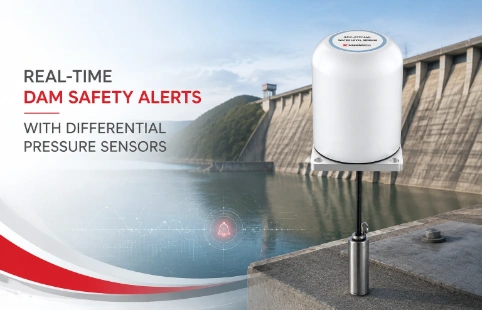
Real-Time Dam Safety Alerts with Differential Pressure Water Level Sensors
Key Takeaways An alert chain needs more than a sensor: define field in...

Why Triplelayer Shielded Test Cables Matter in Noisy Environments
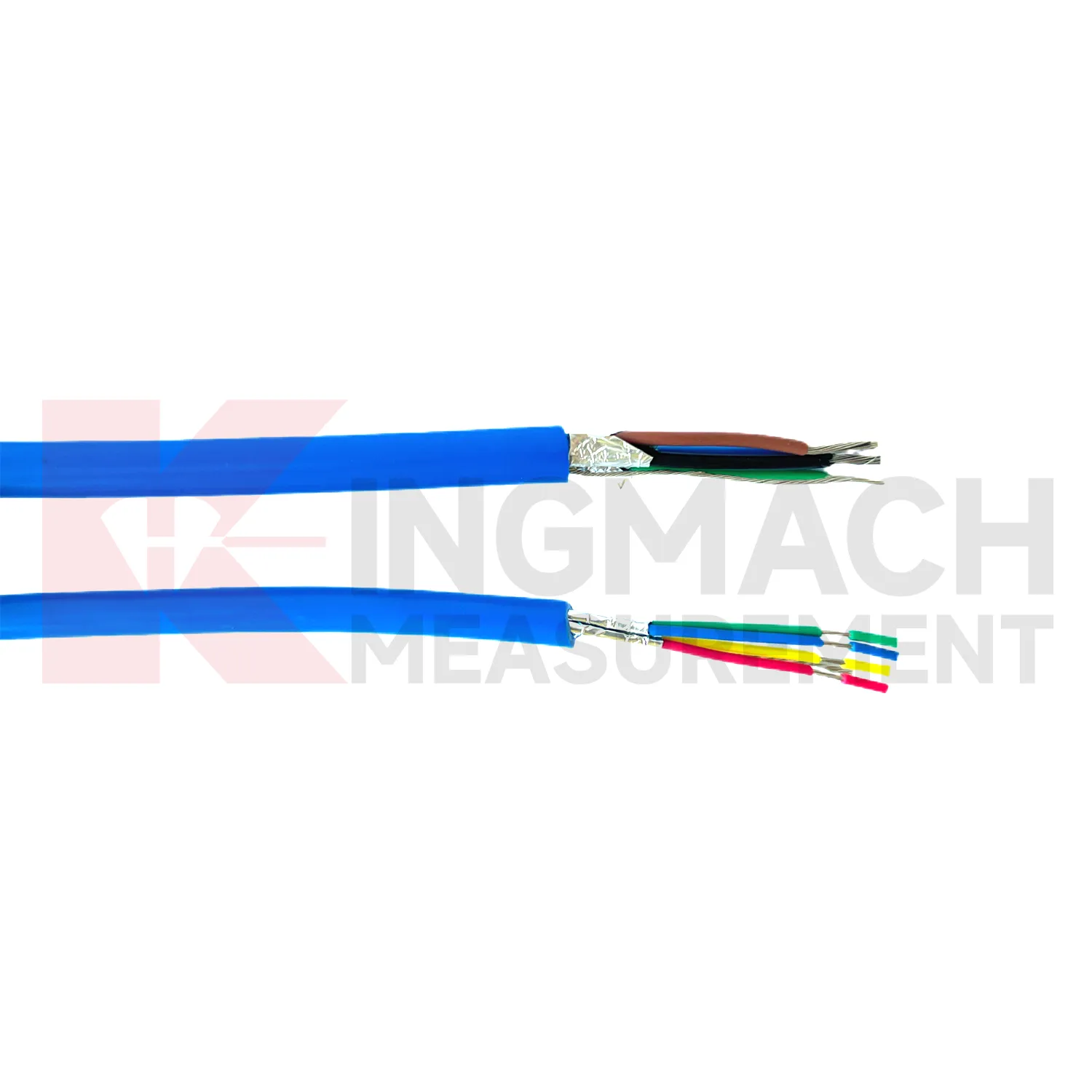
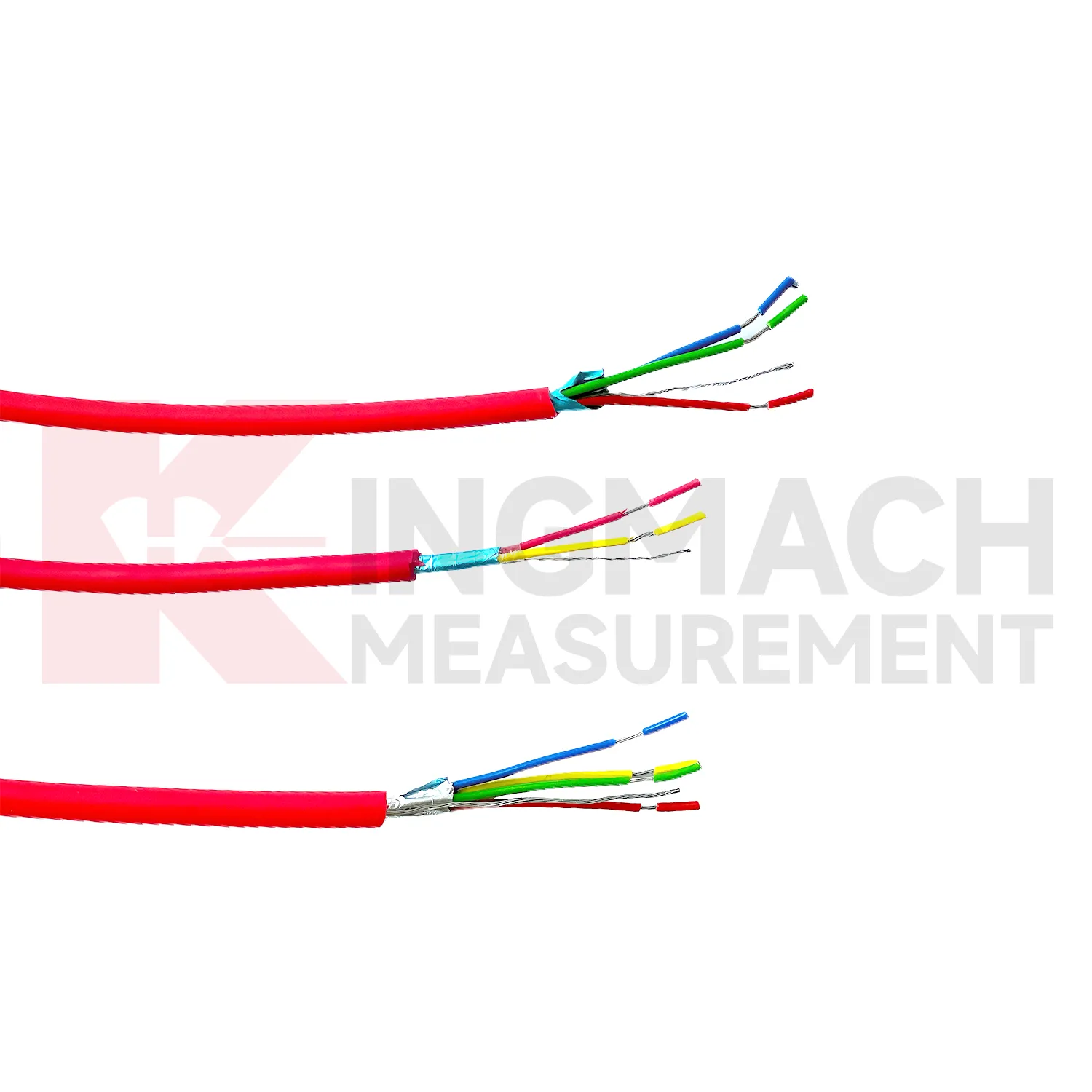
Setting up strain gauges or vibration sensors near heavy machinery? Standard cables often pick up 50 Hz hum and impulse noise, making microvolt-level signals unreadable. A triple-layer shield changes that. Unlike single-braid solutions, it combines foil and double braid to block both high-frequency interference and low-frequency magnetic fields. Kingmarch manufactures these cables for geotechnical and structural monitoring—where data accuracy directly affects safety assessments. No exotic materials, just a practical approach to shielding that works across long cable runs.
Technical Detail
Kingmarch designed its triple-layer shielded test cable to handle field conditions that eat ordinary cables alive. Moisture, temperature swings, and nearby power lines degrade signal quality fast. The inner foil layer blocks electrostatic noise, the first braid handles lower-frequency magnetic intrusion, and the outer braid adds mechanical toughness and a second ground path. It is a conservative, proven layering that stays effective after repeated coiling and abrasion. Available with PVC or PUR jackets, the cable comes in standard 2-core to 8-core configurations, with shield coverage above 90% and insulation resistance exceeding 100 MΩ/km under typical conditions. Connectors and lengths are customized to project requirements, so you are not stuck with off-the-shelf compromises. For multi-channel data loggers or distributed sensor arrays, this cable keeps crosstalk below noticeable thresholds. Kingmarch provides straightforward technical data and testing reports, not marketing fluff. If your monitoring site is electrically noisy, the extra shielding layer saves hours of troubleshooting later.
News
Key Takeaways An alert chain needs more than a sensor: define field in...
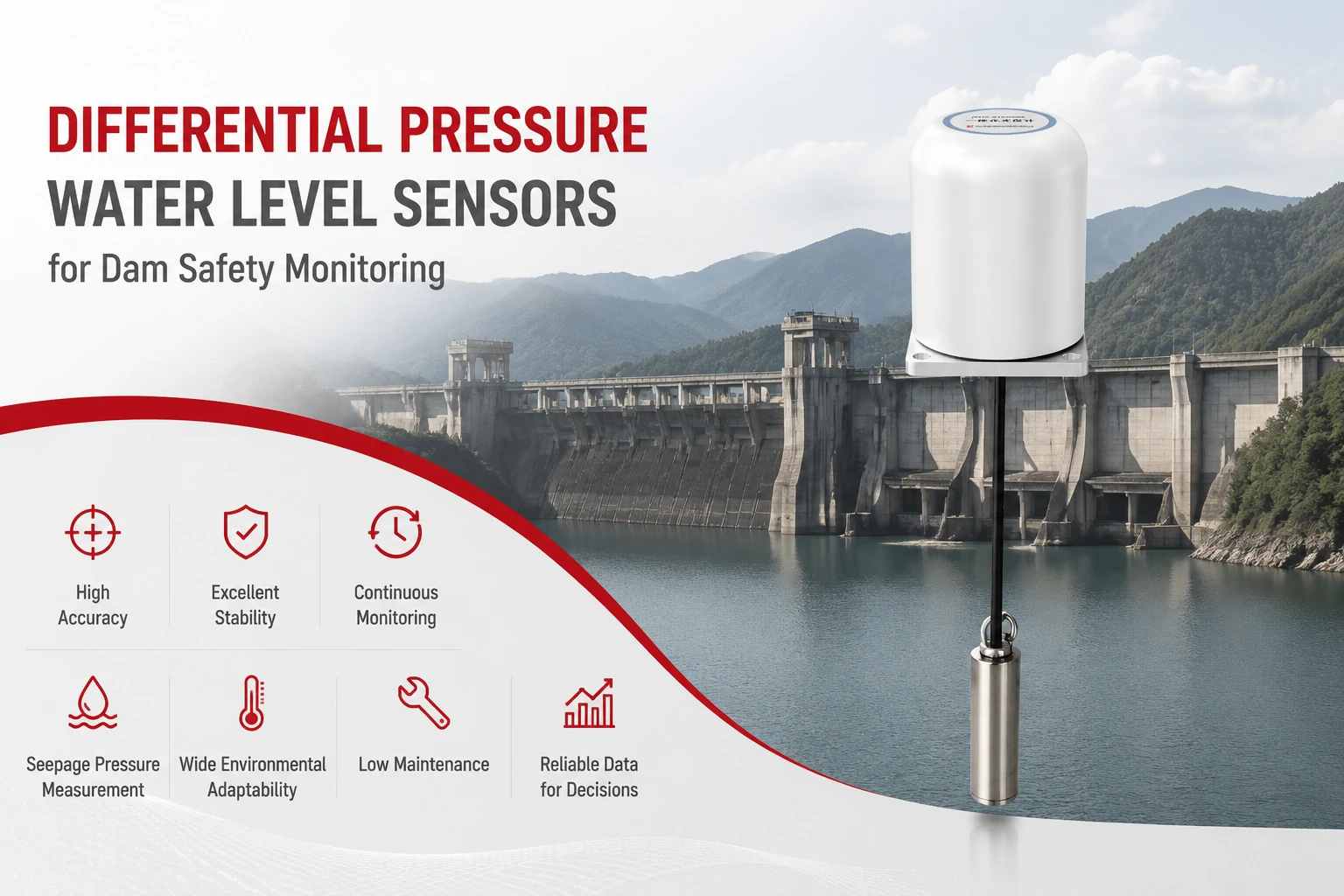
Key Takeaways The strongest fit is usually a confined, submerged, or s...
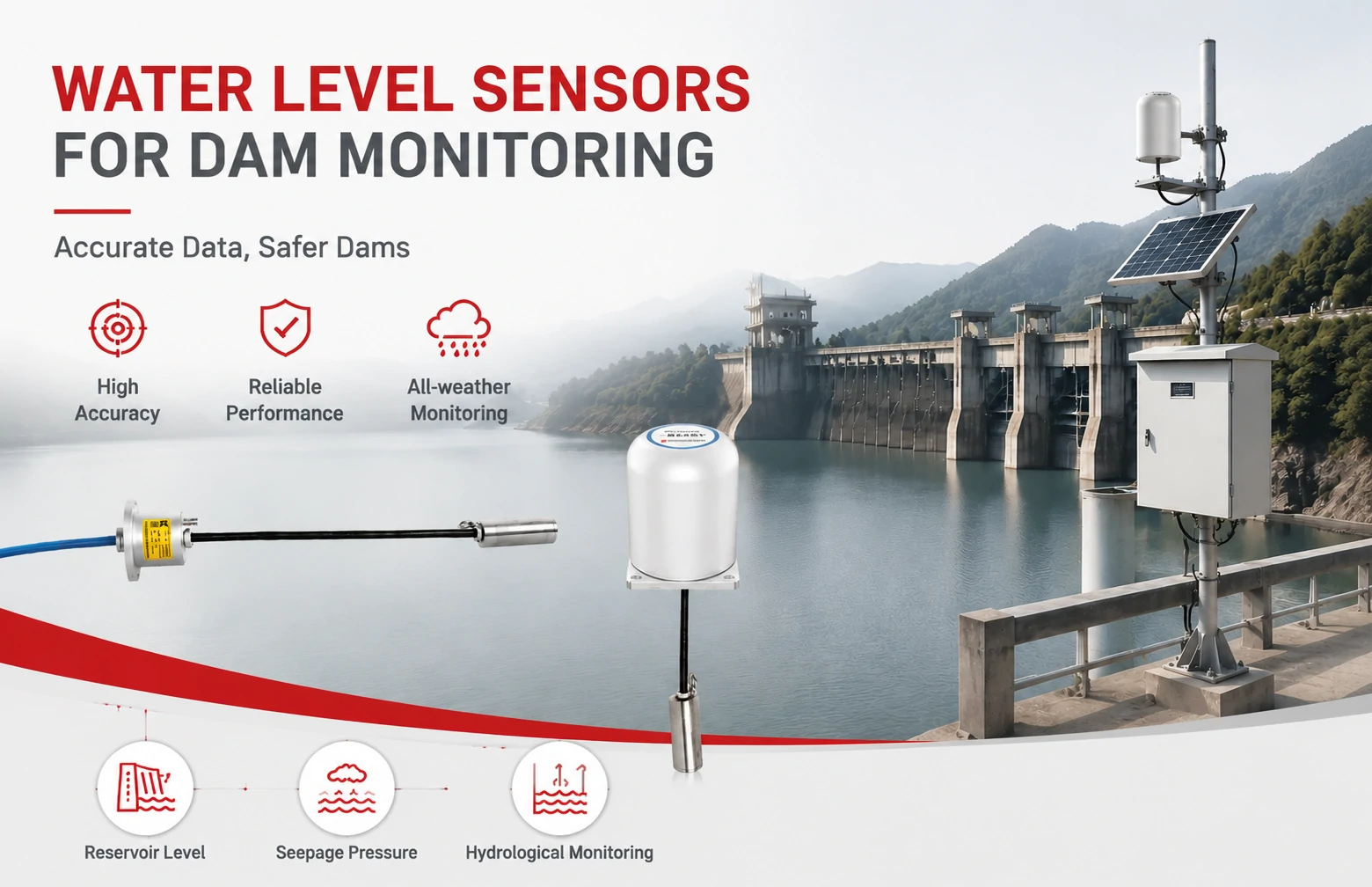
Kingmach Water Level Sensors for Dam Monitoring: A Buyer's Guide to Differential Pre...
Products
FAQ
Double shielding typically uses a foil plus a single braid. Adding a second braid improves low-frequency magnetic rejection and provides a backup ground path if the outer braid gets damaged. It also increases mechanical durability without making the cable rigid.
Yes. For differential signals we often bundle twisted pairs under the triple shield. Common setups are 2x2x0.25 mm² or 4x2x0.25 mm², but other arrangements are possible on request.
It depends on the sensor output impedance and frequency. For resistive strain gauges at 120 Ω, we’ve seen clean signals at 200 m. With piezoelectric sensors, cable capacitance becomes the limiting factor—typically around 50 pF/m, so runs under 50 m keep roll-off above 10 kHz.
Both. We can terminate with LEMO, BNC, or D-sub connectors as specified. If your team prefers to assemble on site, we supply the bare cable with detailed strip-back dimensions.
PVC is standard for indoor and light outdoor use. PUR is tougher—resists cuts, oils, and UV—so it fits construction site monitoring and long-term outdoor installations. Both meet basic flame retardancy requirements.
Share your product type, target capacity, and application requirements. Our team can review the details and recommend a practical next step.
If you are interested in our products or want to become our partner.
Please leave your contact information, our team will contact you as soon as possible.
Mail: [email protected]
Contact Us: +8613808434127
Address: No. 188 Tongzipo West Rd, Changsha, Hunan, China