
 EN
EN
 ar
ar bg
bg hr
hr cs
cs da
da nl
nl fi
fi fr
fr de
de el
el hi
hi it
it ko
ko no
no pl
pl pt
pt ro
ro ru
ru es
es sv
sv tl
tl iw
iw id
id lv
lv lt
lt sr
sr sk
sk sl
sl uk
uk vi
vi et
et hu
hu th
th tr
tr fa
fa ms
ms hy
hy ka
ka ur
ur bn
bn mn
mn ta
ta kk
kk uz
uz ku
ku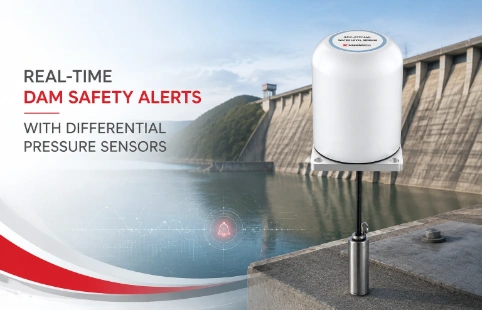
Real-Time Dam Safety Alerts with Differential Pressure Water Level Sensors
Key Takeaways An alert chain needs more than a sensor: define field in...

Vibrating Wire Strain Gauges for Long‑Term Structural Monitoring
Vibrating wire strain gauges often show up in monitoring programs where stability over years matters more than a quick reading. The working principle is simple: a tensioned steel wire inside the gauge changes its resonant frequency as the surrounding material deforms. That frequency is immune to electrical noise and cable resistance, so drift stays low even when the sensor is buried in concrete or anchored to a steel pile. Kingmach supplies these gauges in several configurations, from spot‑weldable types for steel structures to embedment versions cast directly into concrete. The housing is sealed against moisture, and a built‑in thermistor helps separate thermal strain from mechanical load. Projects that span seasons or years—bridges, tunnels, deep excavations—tend to rely on them because the signal holds up without constant recalibration.
Technical Detail
Kingmach produces vibrating wire strain gauges aimed at medium‑scale geotechnical and structural health monitoring. The body is made from stainless steel, with a pressure rating that handles embedment in wet concrete or submersion in boreholes. A plucking coil excites the wire and picks up the resonant frequency; the output is a frequency signal that doesn’t degrade over long cable runs. Installation is straightforward: for steel structures, the spot‑weld version requires only a few tack welds and a protective cover; for concrete, the gauge ties directly to rebar before casting. A built‑in thermistor provides temperature data, so users can correct for thermal expansion of the host material. Common applications include load testing of driven piles, strain monitoring in tunnel linings, and crack‑width tracking in mass concrete. The frequency output works with most standard readout units, which makes integration into existing data‑acquisition systems simple. Custom cable lengths and gauge ranges are available, and the company keeps a global distribution network for quicker delivery in most regions.
News
Key Takeaways An alert chain needs more than a sensor: define field in...
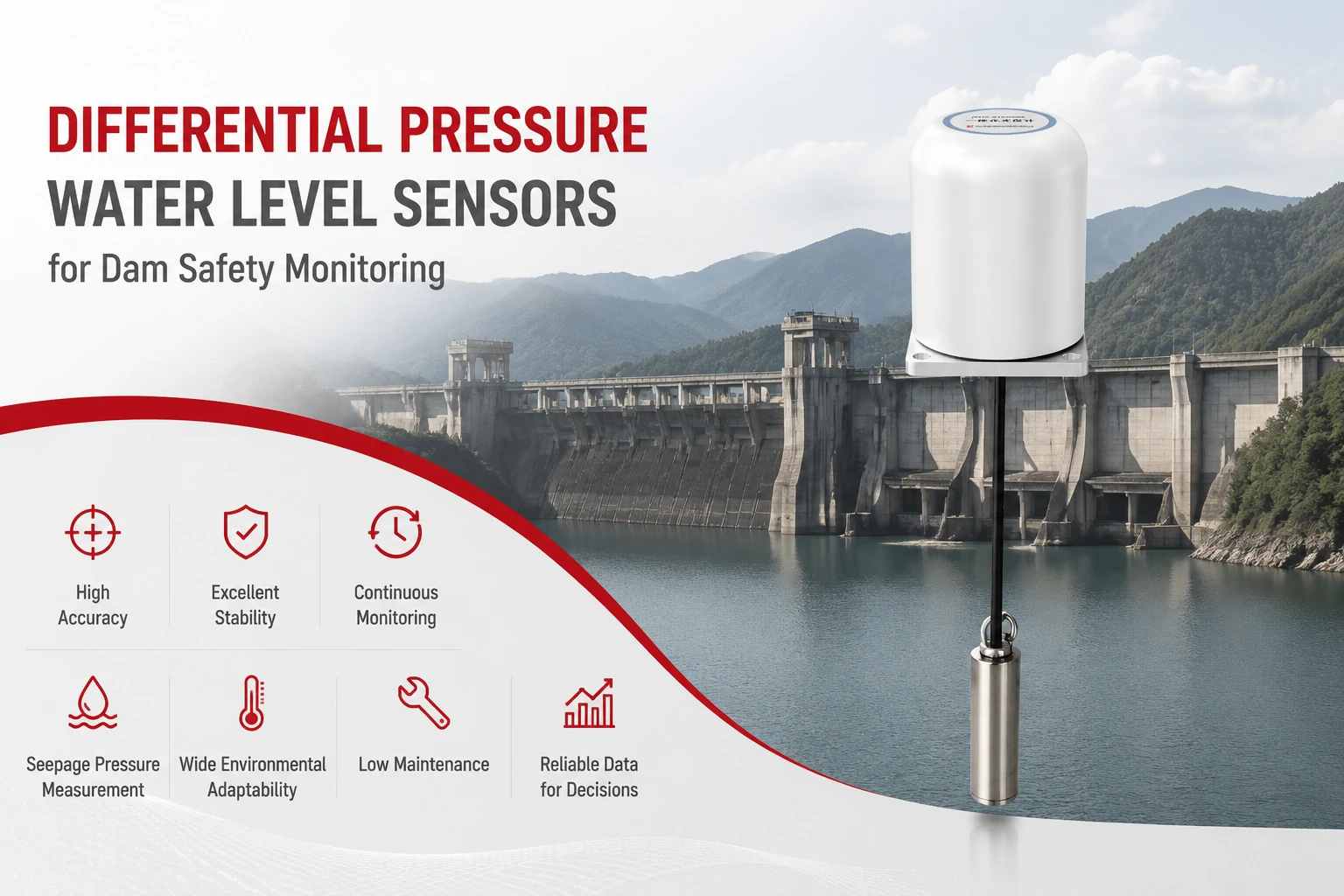
Key Takeaways The strongest fit is usually a confined, submerged, or s...
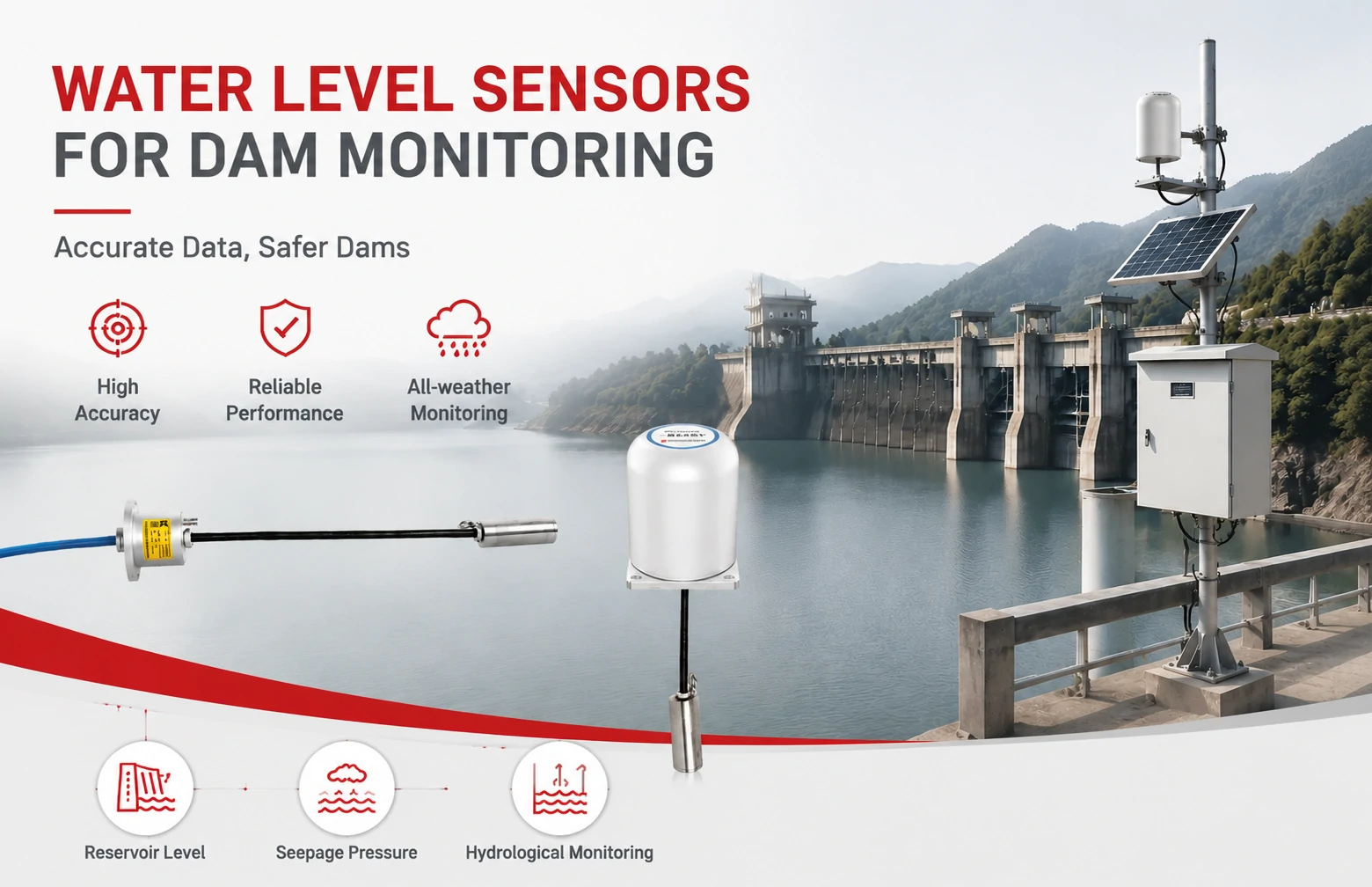
Kingmach Water Level Sensors for Dam Monitoring: A Buyer's Guide to Differential Pre...
Products
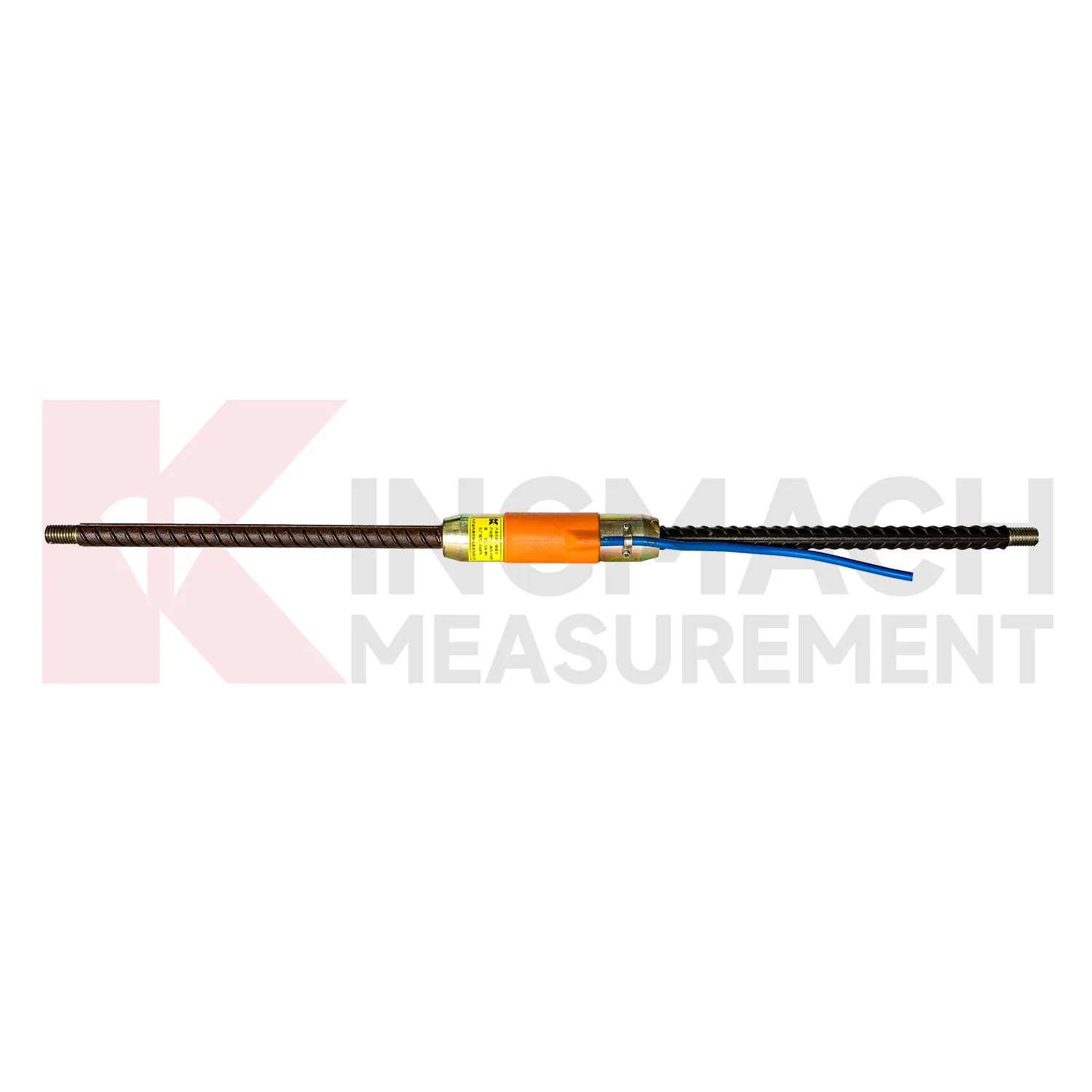
Rebar Strainmeters ( VW & Smart Type) JMZX-4XXHAT/HB
View Details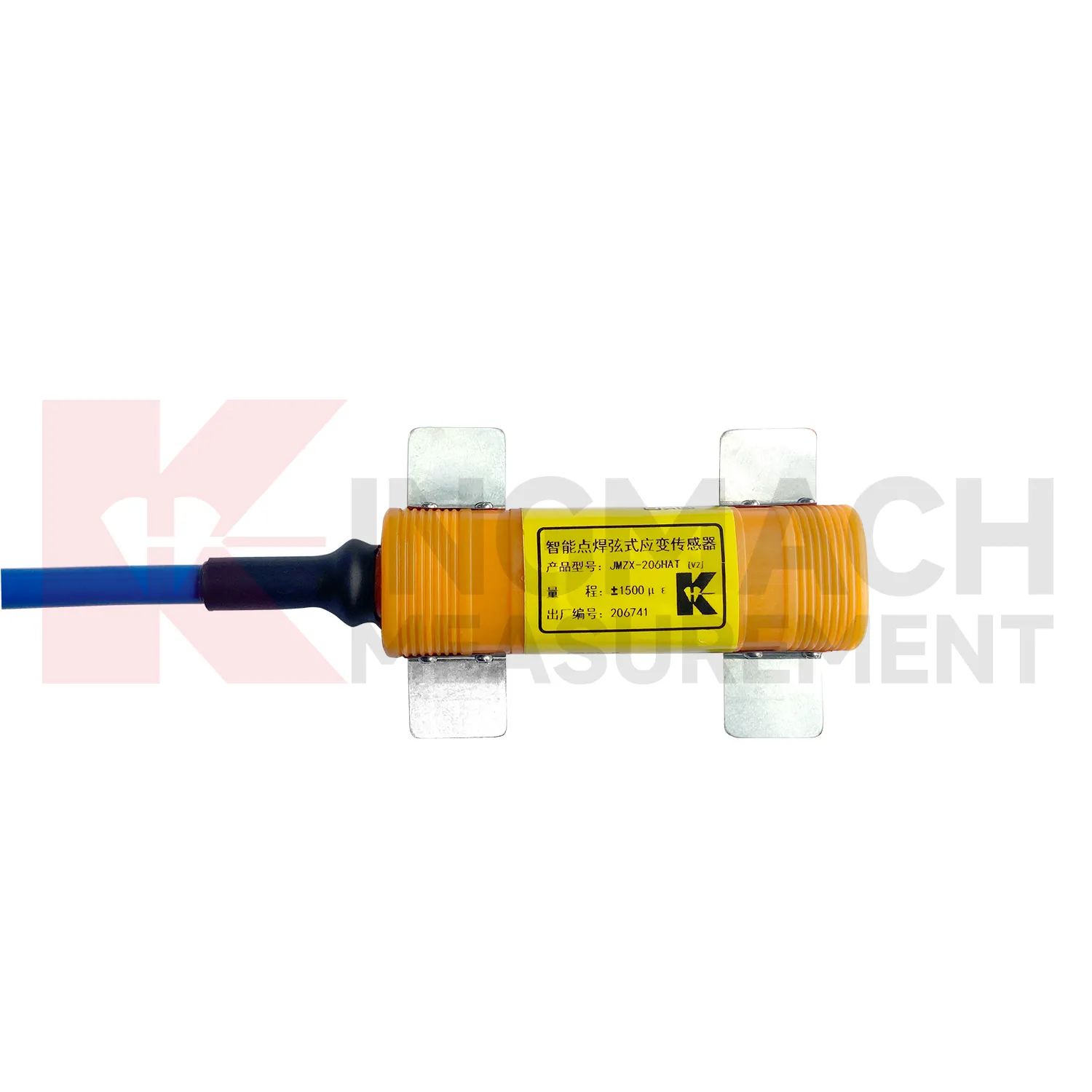
Smart vibrating wire strain gauge (surface welded model) JMZX-206HAT
View Details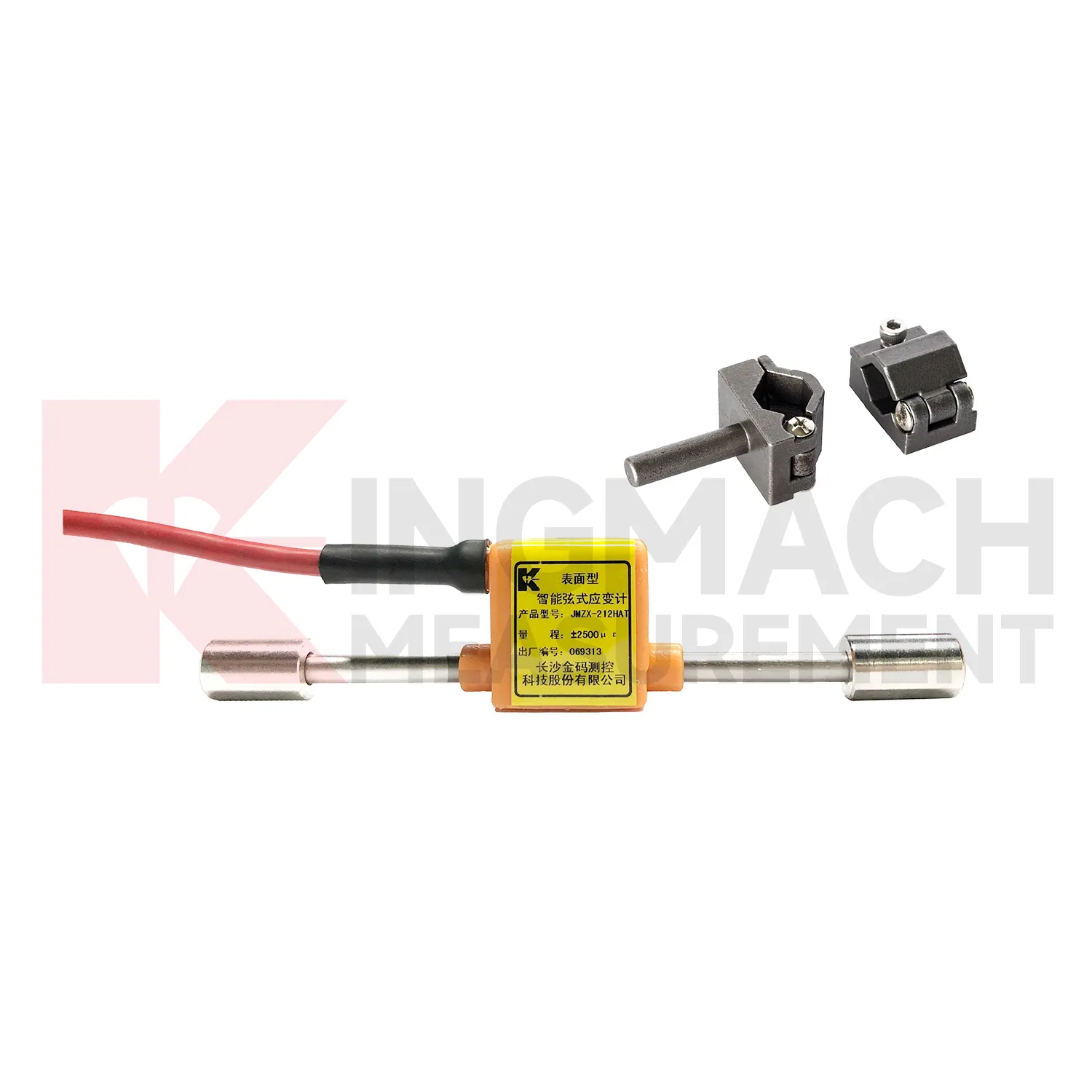
Smart vibrating wire strain gauge (surface model) JMZX-212HAT/HB
View DetailsFAQ
Each Kingmach gauge includes a thermistor so you can measure temperature at the sensor point. The host material expands or contracts with temperature, and that shows up in the strain reading. By logging temperature alongside strain, you can strip out the thermal component and get mechanical strain. The correction factor depends on the material’s coefficient of thermal expansion—for steel it’s around 12×10⁻⁶/°C, for concrete maybe 10×10⁻⁶/°C.
Yes, embedment models are designed for that. The body is robust enough to survive concrete pouring and vibration. Typically you tie the gauge to rebar with wire or cable ties, making sure it’s aligned with the expected strain direction. After casting, the gauge is fully bonded to the concrete and stays in place for decades.
They output a standard vibrating wire frequency, so most dataloggers and portable readouts from industry brands will work. Popular choices include units from Campbell Scientific, Geokon, or RST Instruments. If you already have a monitoring system on site, the gauges usually integrate without extra signal conditioning.
Resolution is generally around 1 microstrain or better with a good readout. Accuracy depends on the calibration and temperature correction, but you can expect around ±0.25% of full scale after applying the calibration factor and thermal correction. For long‑term monitoring, the stability is often more important than absolute accuracy, and vibrating wire sensors excel there.
Kingmach offers customizations. Gauge length can be adjusted for the application—shorter for localized strain, longer to average over a section. Cable lengths and jacket materials (e.g., armored or PUR) can be specified for harsh environments. Contact their sales team with your project specs.
Share your product type, target capacity, and application requirements. Our team can review the details and recommend a practical next step.
If you are interested in our products or want to become our partner.
Please leave your contact information, our team will contact you as soon as possible.
Mail: [email protected]
Contact Us: +8613808434127
Address: No. 188 Tongzipo West Rd, Changsha, Hunan, China