
 EN
EN
 ar
ar bg
bg hr
hr cs
cs da
da nl
nl fi
fi fr
fr de
de el
el hi
hi it
it ko
ko no
no pl
pl pt
pt ro
ro ru
ru es
es sv
sv tl
tl iw
iw id
id lv
lv lt
lt sr
sr sk
sk sl
sl uk
uk vi
vi et
et hu
hu th
th tr
tr fa
fa ms
ms hy
hy ka
ka ur
ur bn
bn mn
mn ta
ta kk
kk uz
uz ku
ku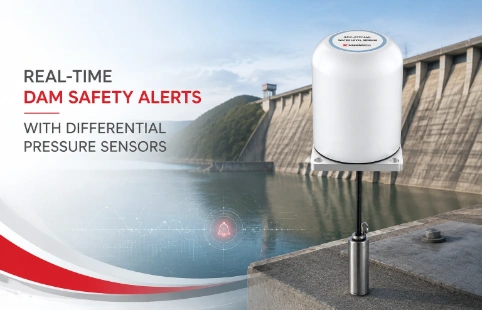
Real-Time Dam Safety Alerts with Differential Pressure Water Level Sensors
Key Takeaways An alert chain needs more than a sensor: define field in...

Accelerometer Purchase: What You’re Really Paying For
Most accelerometer purchase decisions start with a spec sheet, but they end with a cost that goes beyond the unit price. You’re buying a sensor that needs to hold up in damp tunnels, survive accidental overloads, and talk to your existing logger without a week of tinkering. Kingmach builds for those realities – not the lab bench. We focus on geotechnical and structural monitoring, where cables get yanked and enclosures see real weather. If you’re comparing quotes, think about the total cost of a failed reading or a sensor that drifts after six months. This page walks through what to look for beyond the headline sensitivity figure.
Technical Detail
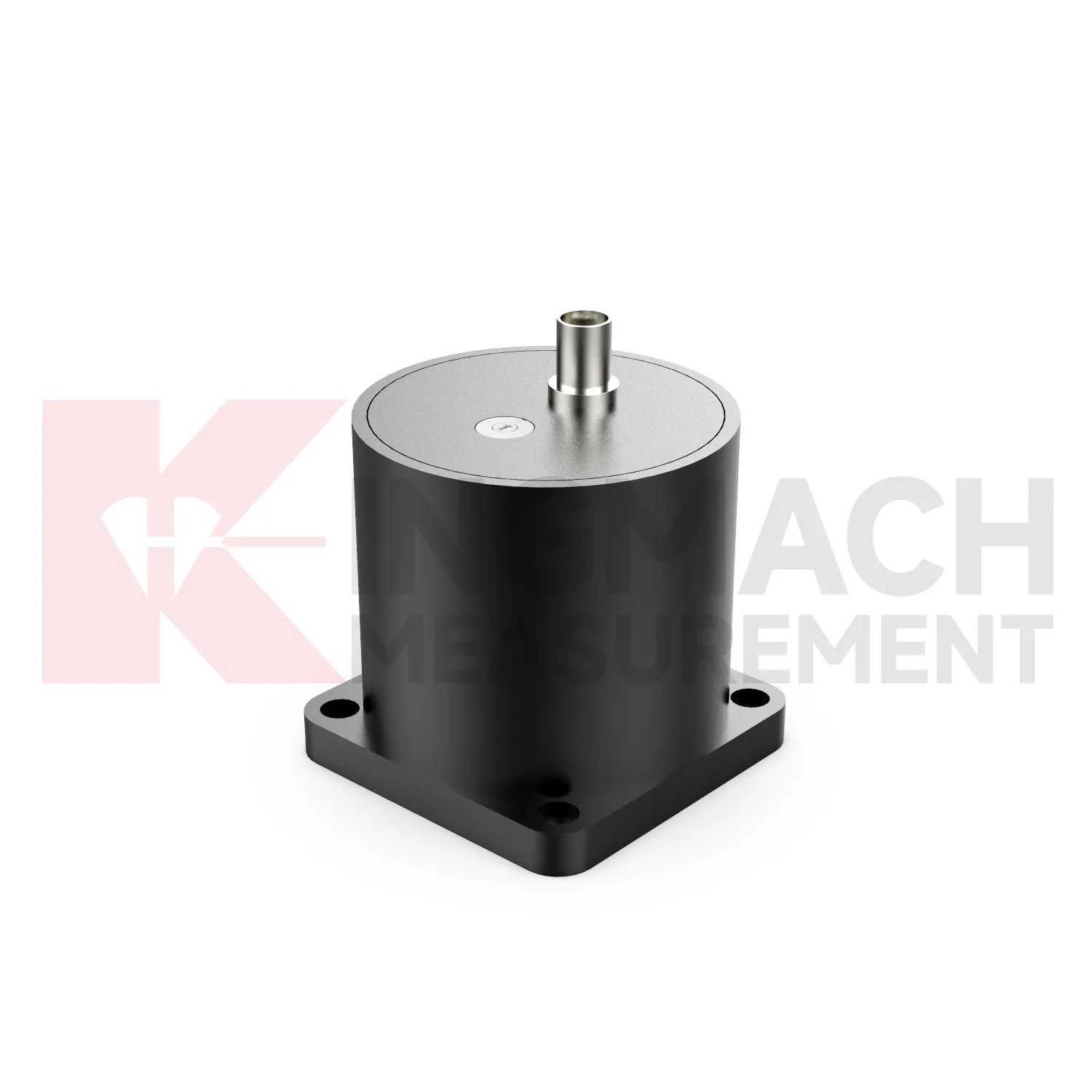
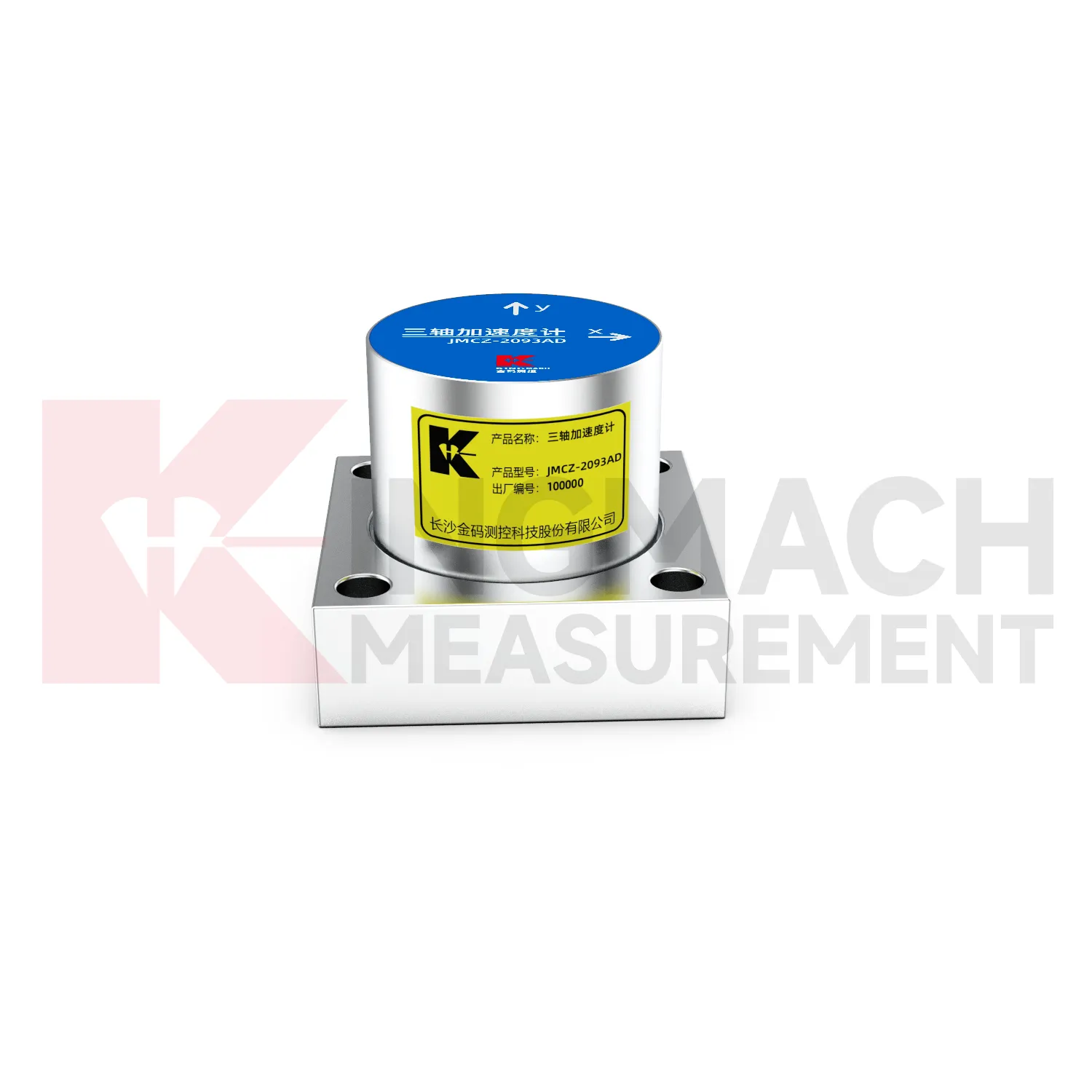
An accelerometer purchase for field monitoring usually means picking between MEMS and force-balance types, wrestling with cabling details, and guessing at long-term zero stability. Kingmach keeps it simpler by stocking accelerometers designed for tilt, vibration, and seismic uses in civil engineering. The sensing elements come from established supply chains we’ve used for years, so repeatability and temperature drift are already characterized – not something you discover on site. Our standard models cover ±2g to ±4g ranges, with 4–20 mA or voltage outputs that plug straight into most dataloggers. Housing is stainless steel or anodized aluminum, IP67 or better, and we offer custom cable lengths, connectors, and mounting brackets so field crews aren’t improvising hardware. We calibrate each unit against a reference before it ships and include a calibration sheet – not an extra line item. This isn’t about being the cheapest unit on the market; it’s about getting sensors that work straight out of the box and keep working for years under real field conditions. If you have a project that needs a specific mounting geometry or a modified frequency response, we can usually adapt a standard design without a premium price tag. Our global distribution and technical support team can help you size the right accelerometer and avoid common grounding and noise issues that plague field installations. Kingmach serves consulting engineers, monitoring contractors, and infrastructure owners who need reliable data for slope stability, tunnel convergence, and structural health monitoring. When you make an accelerometer purchase through us, you get a sensor that’s been proven on job sites, not just in a datasheet.
News
Key Takeaways An alert chain needs more than a sensor: define field in...
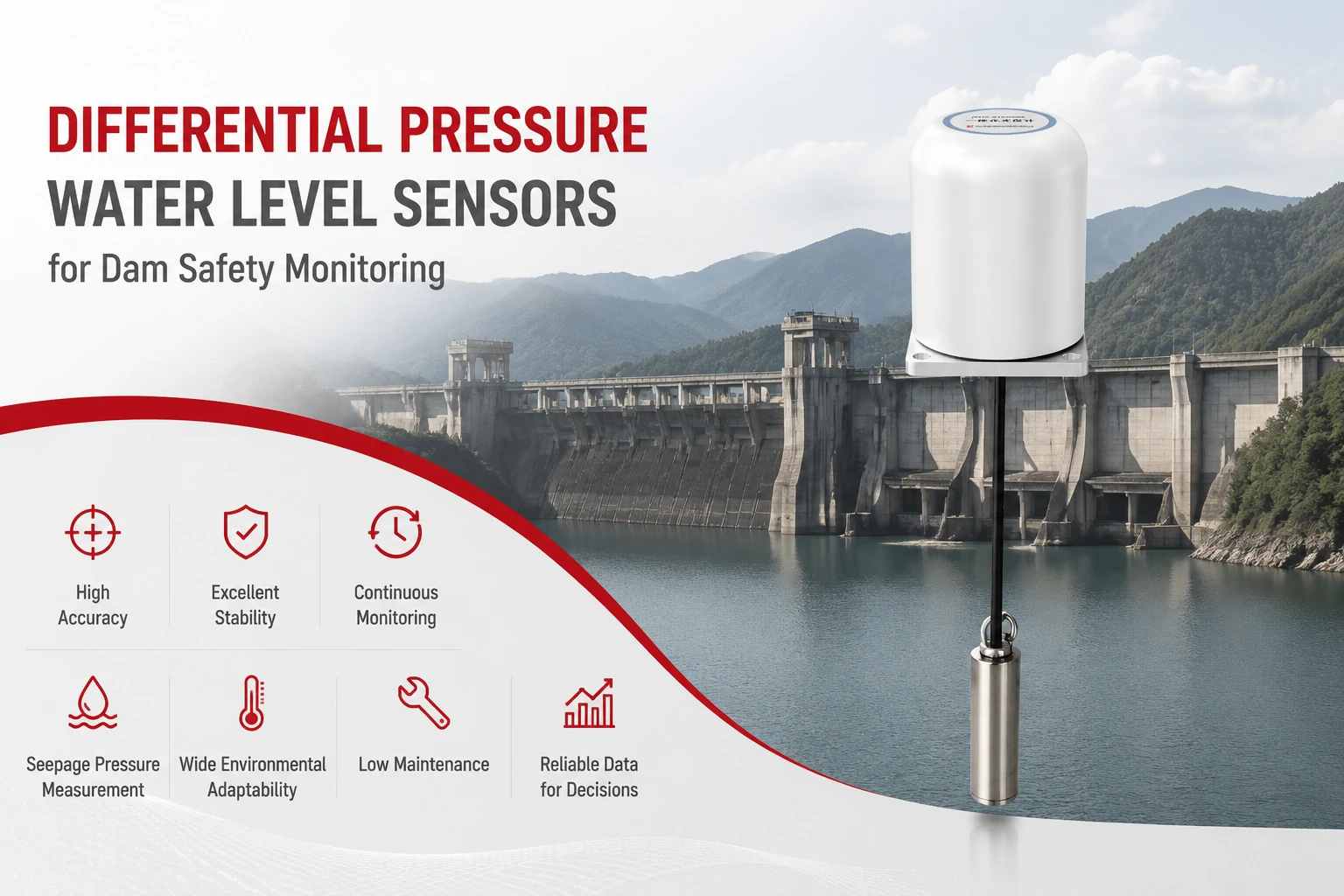
Key Takeaways The strongest fit is usually a confined, submerged, or s...
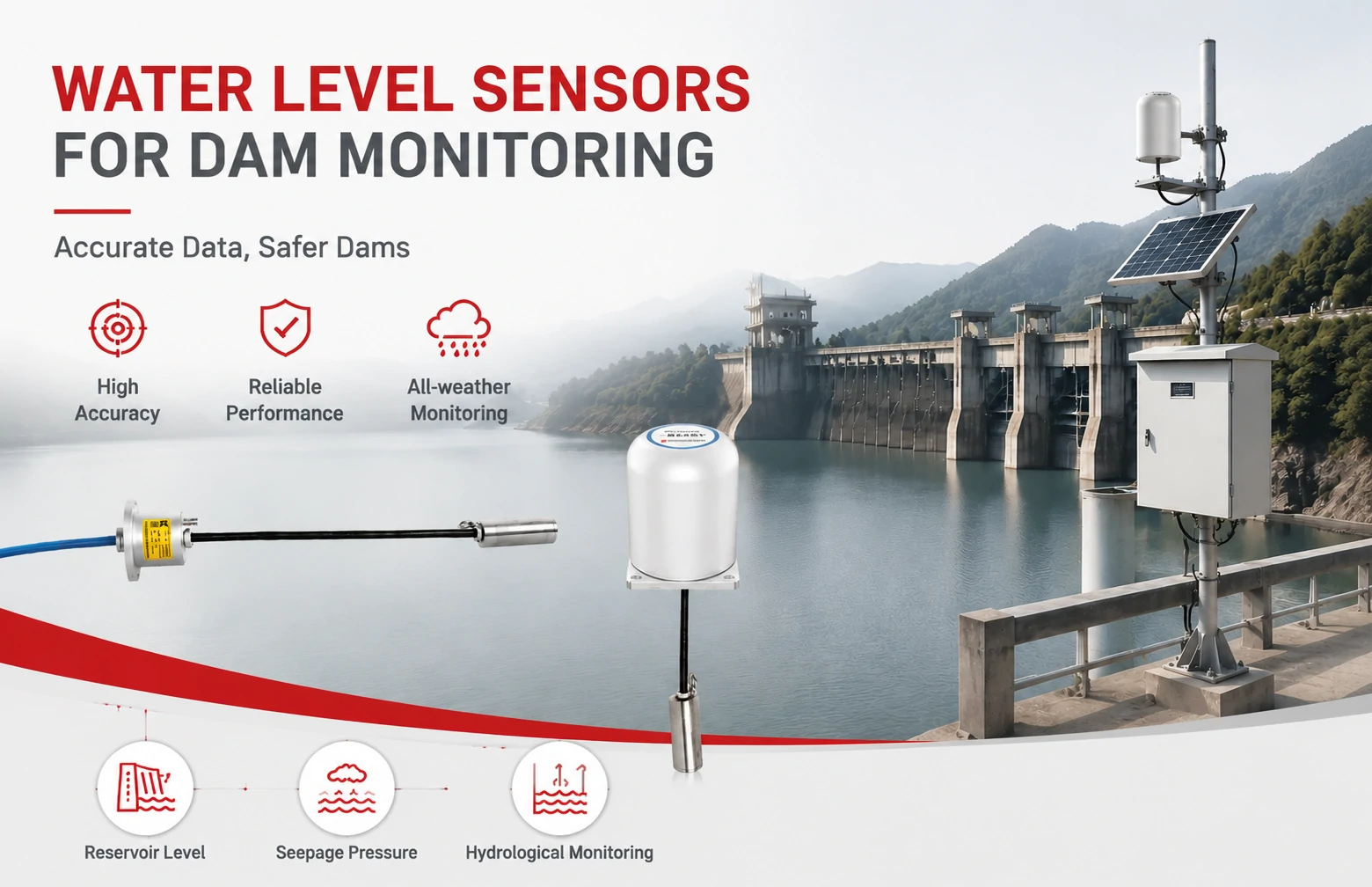
Kingmach Water Level Sensors for Dam Monitoring: A Buyer's Guide to Differential Pre...
Products
FAQ
For gradual tilt in slopes, ±2g or ±30° devices are common. A 4–20 mA output is less susceptible to cable noise than voltage, especially over long cable runs. Kingmach’s standard units come with low-pass filtering, but we can adjust the bandwidth if you need faster response for dynamic events.
Our list prices typically sit 15–30% below equivalent specs from larger Western brands because we focus on high-volume geotechnical models and avoid expensive over-specification. You’re not paying for aerospace-grade testing you don’t need. That said, we use the same MEMS or force-balance sensing elements as many OEMs, so performance isn’t sacrificed.
Yes, almost all our tilt and vibration accelerometers include a temperature output channel. The calibration sheet includes temperature coefficients, so you can post-process data. If you need real-time correction, we can discuss integrating that into your logger setup.
We stock M6 and M8 threaded studs, adjustable clamps for pipes, and even magnetic bases for temporary surveys. If you have a legacy bracket from another supplier, send us a drawing and we’ll often machine an adapter at low cost. The goal is to make an accelerometer purchase that doesn’t require reworking your entire installation.
Cable routing is where a lot of projects go over budget. We recommend Bayonet or LEMO connectors with polyurethane jackets for rough handling. Tell us your deployment environment, and we’ll suggest the right connector mate, cable length, and strain relief. We can also pre-terminate cables so your field team just plugs in.
Share your product type, target capacity, and application requirements. Our team can review the details and recommend a practical next step.
If you are interested in our products or want to become our partner.
Please leave your contact information, our team will contact you as soon as possible.
Mail: [email protected]
Contact Us: +8613808434127
Address: No. 188 Tongzipo West Rd, Changsha, Hunan, China