
 EN
EN
 ar
ar bg
bg hr
hr cs
cs da
da nl
nl fi
fi fr
fr de
de el
el hi
hi it
it ko
ko no
no pl
pl pt
pt ro
ro ru
ru es
es sv
sv tl
tl iw
iw id
id lv
lv lt
lt sr
sr sk
sk sl
sl uk
uk vi
vi et
et hu
hu th
th tr
tr fa
fa ms
ms hy
hy ka
ka ur
ur bn
bn mn
mn ta
ta kk
kk uz
uz ku
ku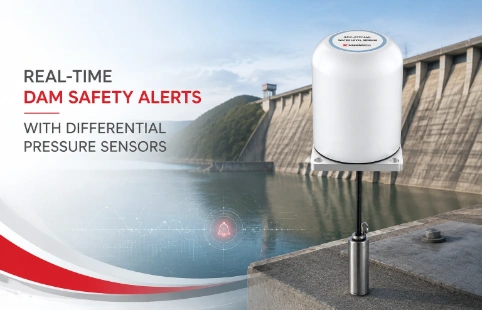
Real-Time Dam Safety Alerts with Differential Pressure Water Level Sensors
Key Takeaways An alert chain needs more than a sensor: define field in...

Load Cell Technology in Geotechnical Instrumentation
Load cells sit at the heart of many geotechnical monitoring setups, but their role goes beyond simply measuring weight. In this field, the technology is used to track forces in rock bolts, anchors, tunnel linings, and pile tests. What matters is stability over months or years, not just a single accurate reading. Kingmach has been building load cells that hold up under these conditions—often embedded in concrete or submerged in groundwater. The company focuses on making the technology adaptable: different capacities, outputs, and environmental protections, so the same principle can serve a bridge pier in Southeast Asia or a mine shaft in South America. Rather than chasing the highest resolution, they engineer for long-term drift and ruggedness, which is what counts when you are watching for millimeter-scale movement.
Technical Detail
From the start, Kingmach Measurement & Monitoring Technology Co., Ltd. has aimed to make load cell technology practical for real-world geotechnical and structural applications. The company stocks a wide range of load cells—anchor load cells, columnar load cells, and center-hole designs—so engineers can pick what fits the anchor or strut without needing a custom build every time. But customization is still a big part of what they do. If a project calls for a non-standard capacity, an unusual cable length, or a Modbus output instead of mV/V, their team can adjust the design. This flexibility saves time on large jobs where off-the-shelf parts would require workarounds. Their global distribution and support network also matters. A site manager in Chile or Indonesia can get the same technical backup as a customer closer to the factory. The focus stays on instruments that stay readable and linear even when the surrounding concrete shrinks or the temperature swings. By keeping the design proven and the documentation thorough, Kingmach helps avoid a situation where a sensor fails in a critical monitoring zone, which can delay project timelines and add cost.
News
Key Takeaways An alert chain needs more than a sensor: define field in...
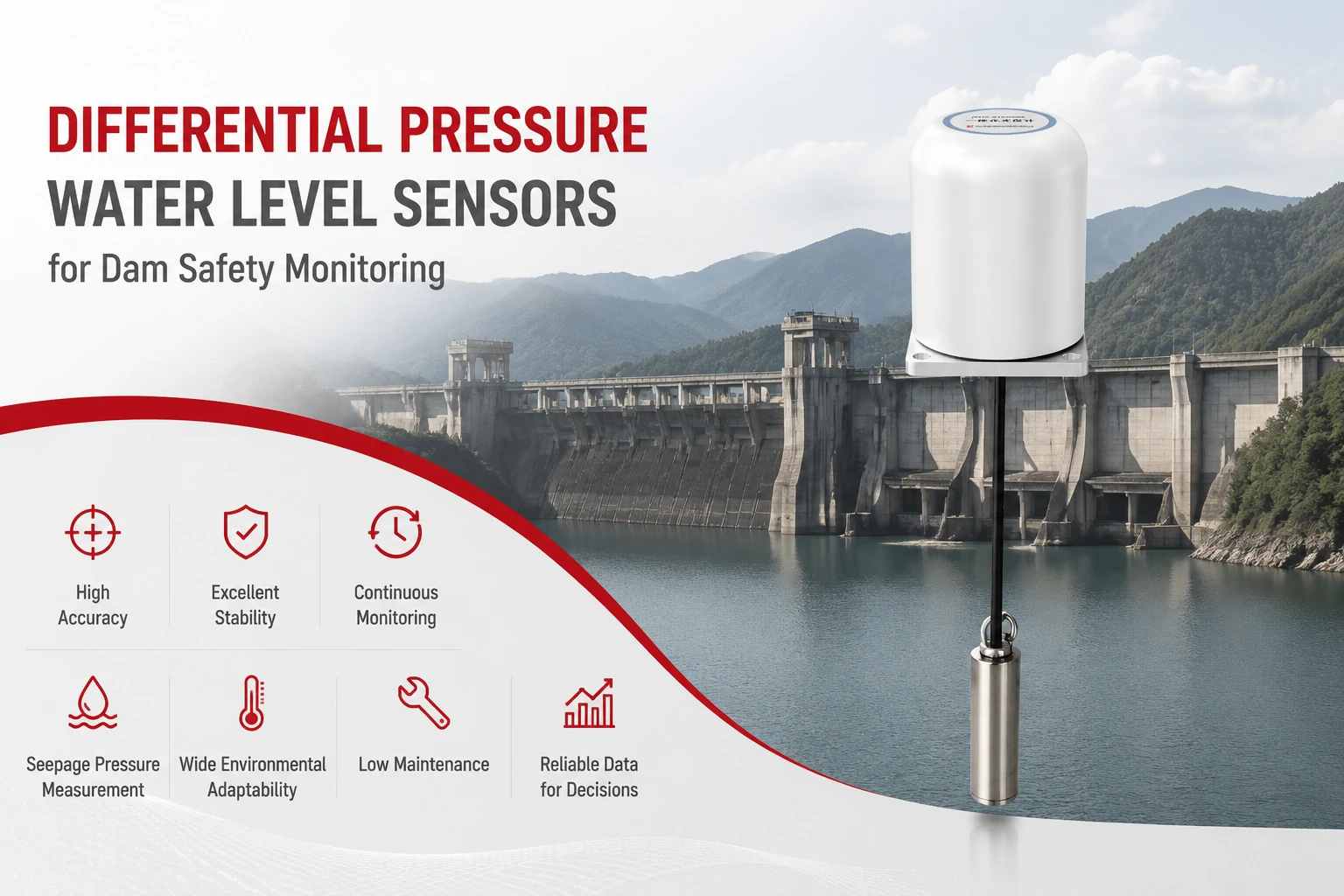
Key Takeaways The strongest fit is usually a confined, submerged, or s...
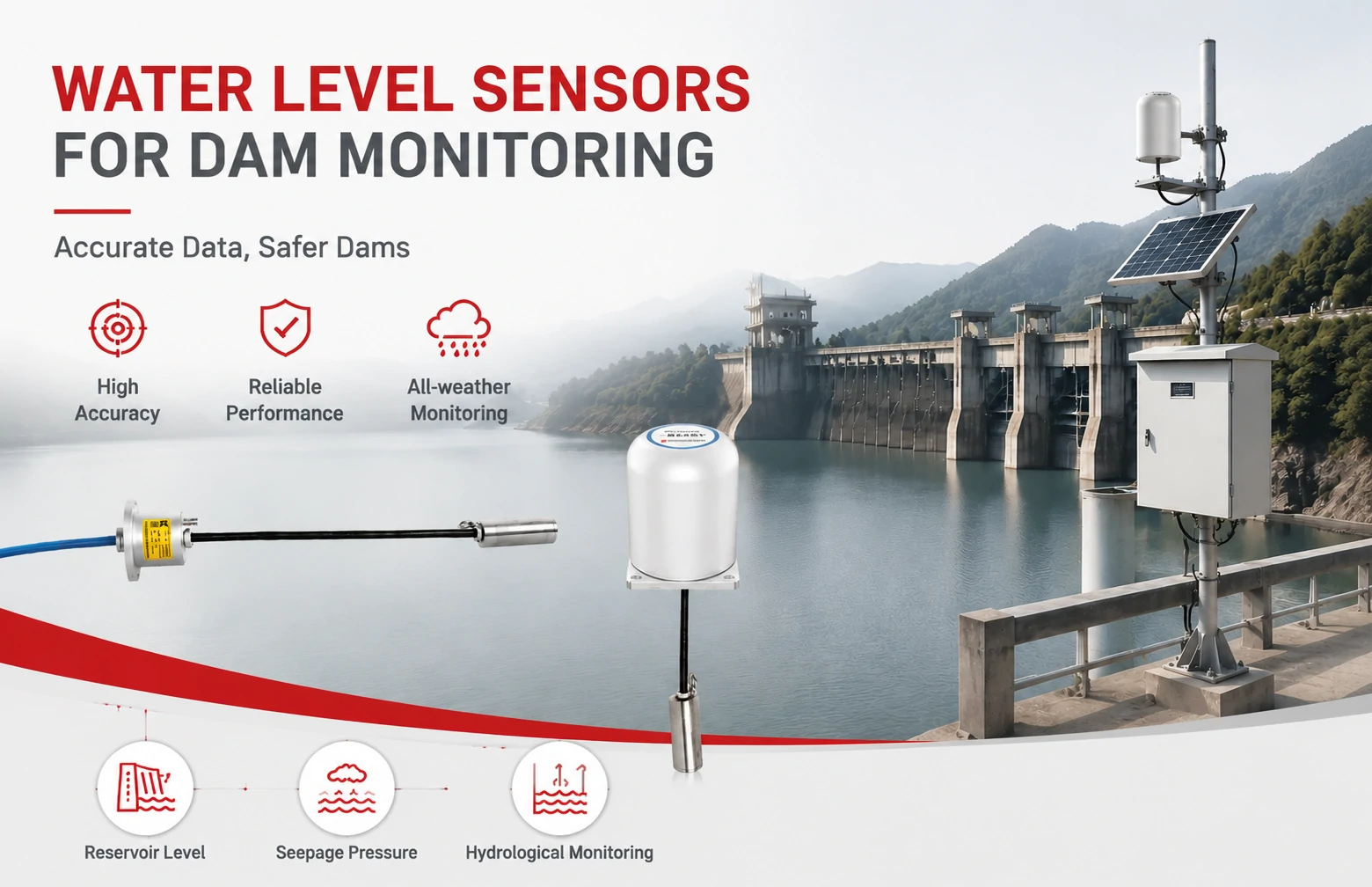
Kingmach Water Level Sensors for Dam Monitoring: A Buyer's Guide to Differential Pre...
Products
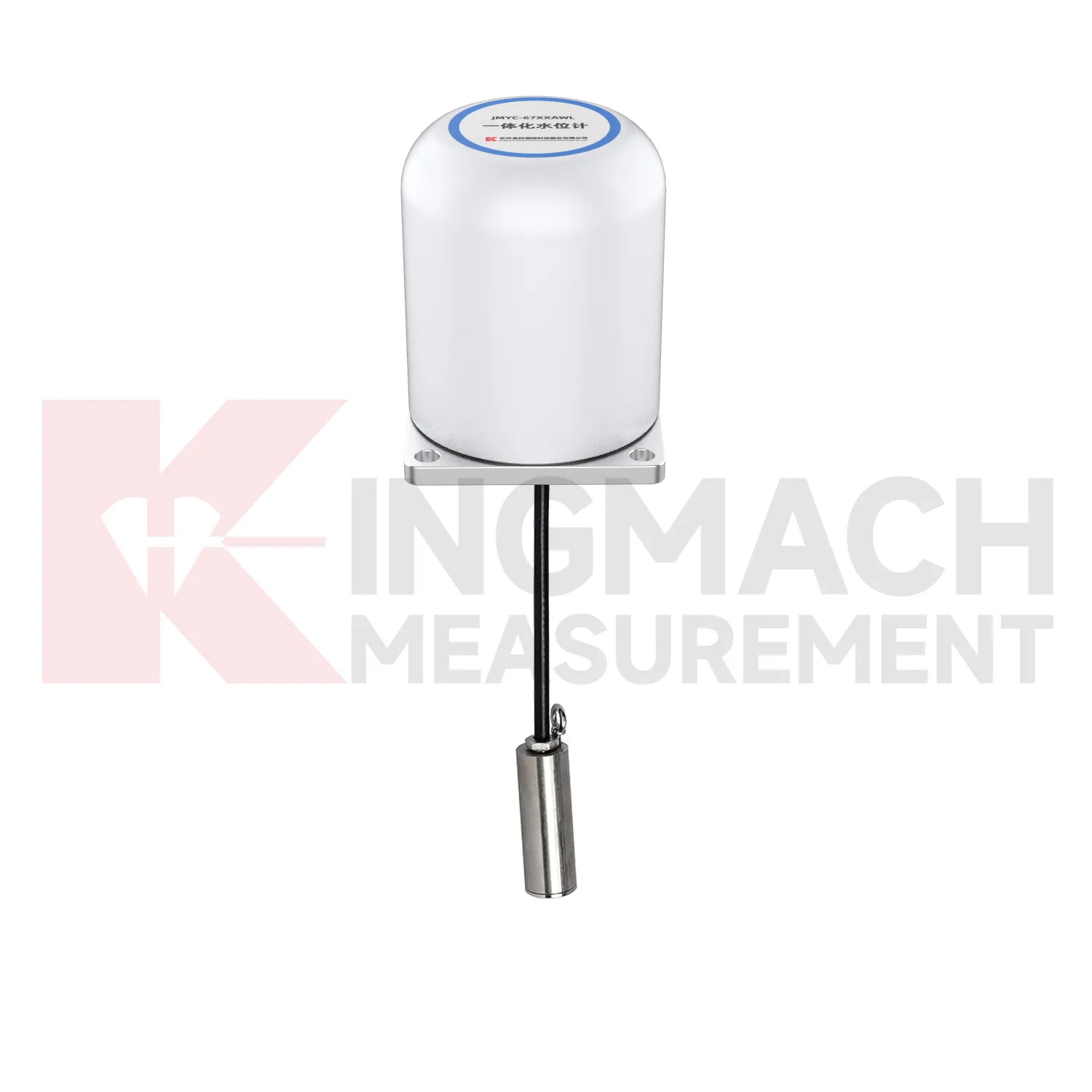
Integrated Wide-Range Differential Pressure Water Level Meter JMYC-67XXAWL
View Details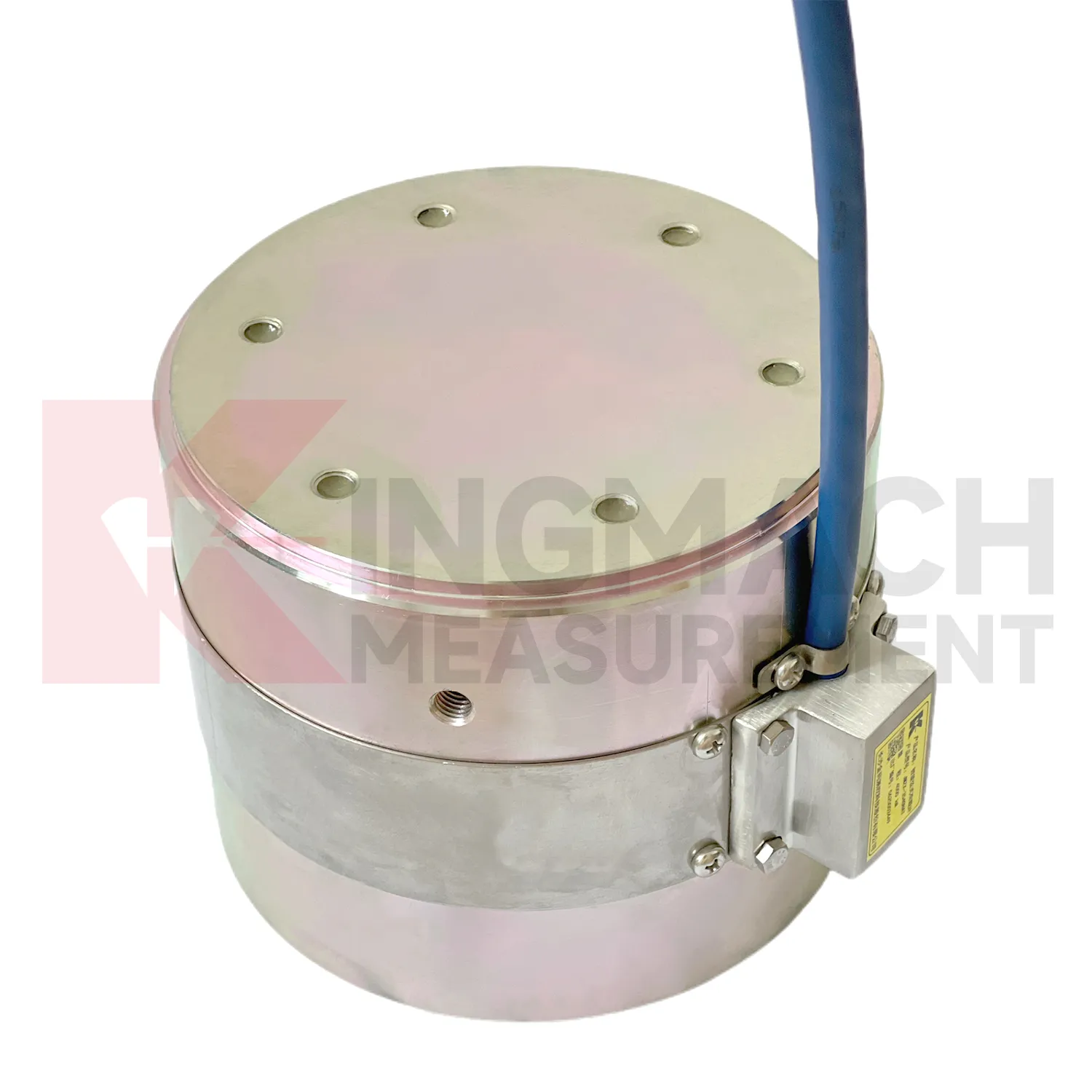
Solid load cell JMZX-34XXHAT、35XXHAT、36XXHAT
View Details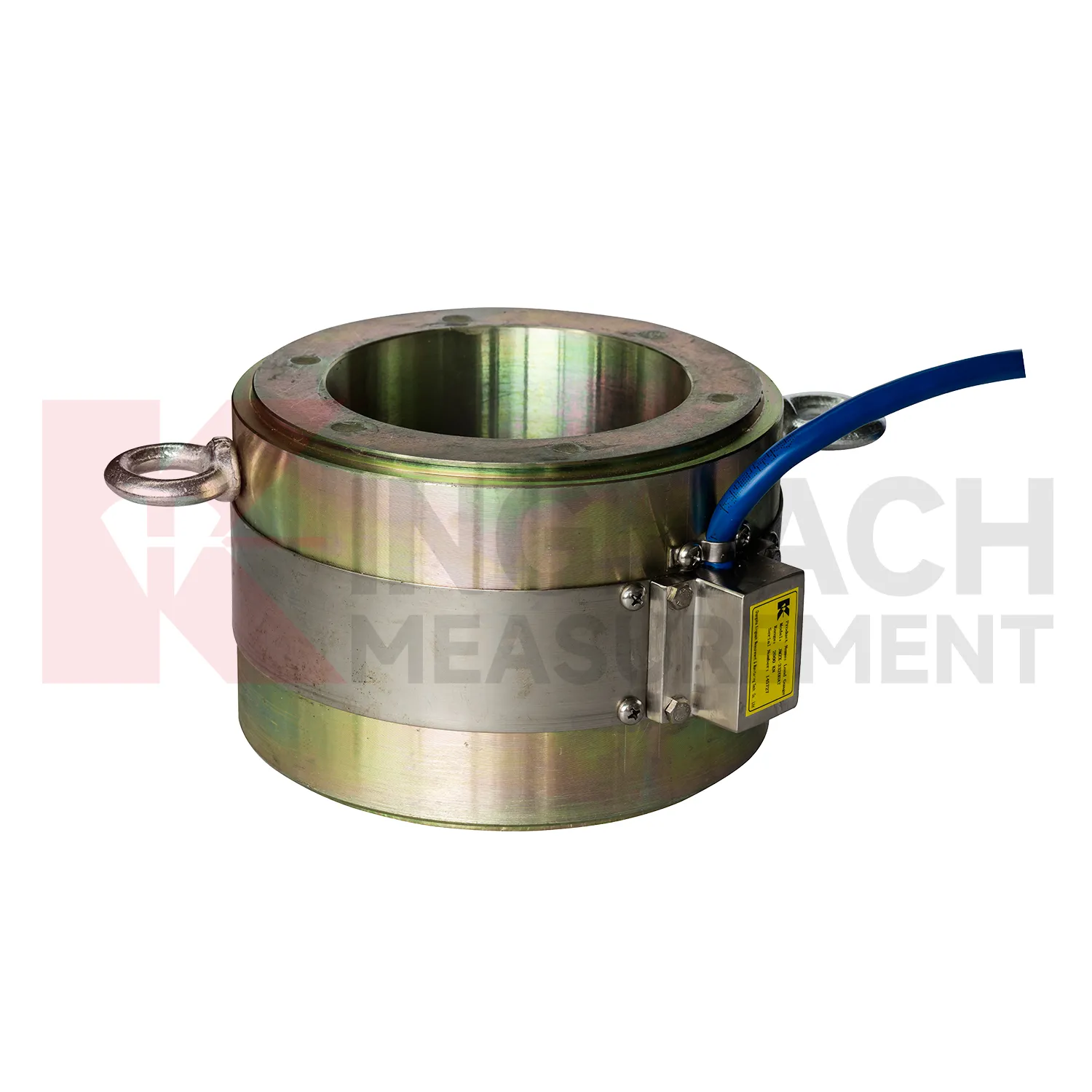
FAQ
It is mainly used to measure tension or compression in structural members. For example, anchor load cells sit on the head of ground anchors to track if the load changes over time, which can indicate soil movement or anchor relaxation. Similarly, load cells are fitted on struts in excavations or under bridge bearings. The key is that the sensor must remain stable for years, often in harsh environments.
Kingmach supplies various types: center-hole load cells for anchors and cable bolts, columnar compression load cells for pile tests and tunnel linings, and custom designs for specific requirements. They can also provide different signal outputs, such as 4-20mA or RS485, if needed for automatic data acquisition systems.
Yes, they often adapt standard designs. For instance, they can adjust the cable length, capacity, or material for corrosive environments. They also build load cells with dual bridges for redundant readings, which is required for safety-critical monitoring. The engineering team usually needs about two to three weeks to finalize a custom design.
Accuracy depends on the type and load range, but nonlinearity, hysteresis, and repeatability are generally below 0.5% for their geotechnical load cells. Long-term drift is a more relevant parameter in monitoring. Kingmach uses strain gage technologies and temperature compensation to keep drift low, which is critical for multi-year projects where zero shifts can create false alarms.
Share your product type, target capacity, and application requirements. Our team can review the details and recommend a practical next step.
If you are interested in our products or want to become our partner.
Please leave your contact information, our team will contact you as soon as possible.
Mail: [email protected]
Contact Us: +8613808434127
Address: No. 188 Tongzipo West Rd, Changsha, Hunan, China