
 EN
EN
 ar
ar bg
bg hr
hr cs
cs da
da nl
nl fi
fi fr
fr de
de el
el hi
hi it
it ko
ko no
no pl
pl pt
pt ro
ro ru
ru es
es sv
sv tl
tl iw
iw id
id lv
lv lt
lt sr
sr sk
sk sl
sl uk
uk vi
vi et
et hu
hu th
th tr
tr fa
fa ms
ms hy
hy ka
ka ur
ur bn
bn mn
mn ta
ta kk
kk uz
uz ku
ku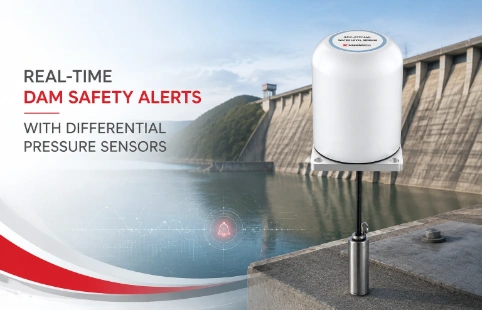
Real-Time Dam Safety Alerts with Differential Pressure Water Level Sensors
Key Takeaways An alert chain needs more than a sensor: define field in...

How the Load Cell Working Principle Drives Accurate Monitoring
Anyone involved in geotechnical or structural monitoring eventually hits the same question: what makes a load cell tick? The load cell working principle is surprisingly straightforward—convert mechanical force into a readable electrical signal. At Kingmach, our instruments lean on strain gauge technology, the industry standard for good reason. A tiny piece of metal foil deforms under pressure, its electrical resistance shifts, and that shift gets measured with precision. It’s the same technique used in everything from anchor force sensors to support axial force gauges, just tuned to survive mud, moisture, and months of real-world abuse. We’ve spent years refining this principle into tools that don’t drift when temperatures swing or cables get yanked. If you’re selecting a load cell for a tunnel lining project or a bridge pier, understanding this core mechanism helps you avoid mismatched sensors and wasted data.
Technical Detail
Dig a little deeper and the load cell working principle reveals a clever arrangement called the Wheatstone bridge. Four strain gauges are bonded to an elastic element—often a column, ring, or shear beam—with two in tension, two in compression. Apply a load, and the bridge’s balance breaks, spitting out a voltage that’s exactly proportional to force. Kingmach builds its load cells with high-grade alloy steel or stainless steel elements, and we compensate every bridge circuit for temperature variation at the factory, because a sensor installed in a freezing dam foundation should behave the same as one in a tropical open-pit mine. Our lineup includes anchor load cells, support pressure cells, and multi-strand cable force sensors, each optimized for a specific structural role. That means waterproof connectors, extra shielding for long cable runs, and calibration certificates that cover the full measuring range. For monitoring projects where a single glitch can stop construction, this attention to the working principle—not just the specs sheet—pays off in data continuity and lower maintenance costs.
News
Key Takeaways An alert chain needs more than a sensor: define field in...
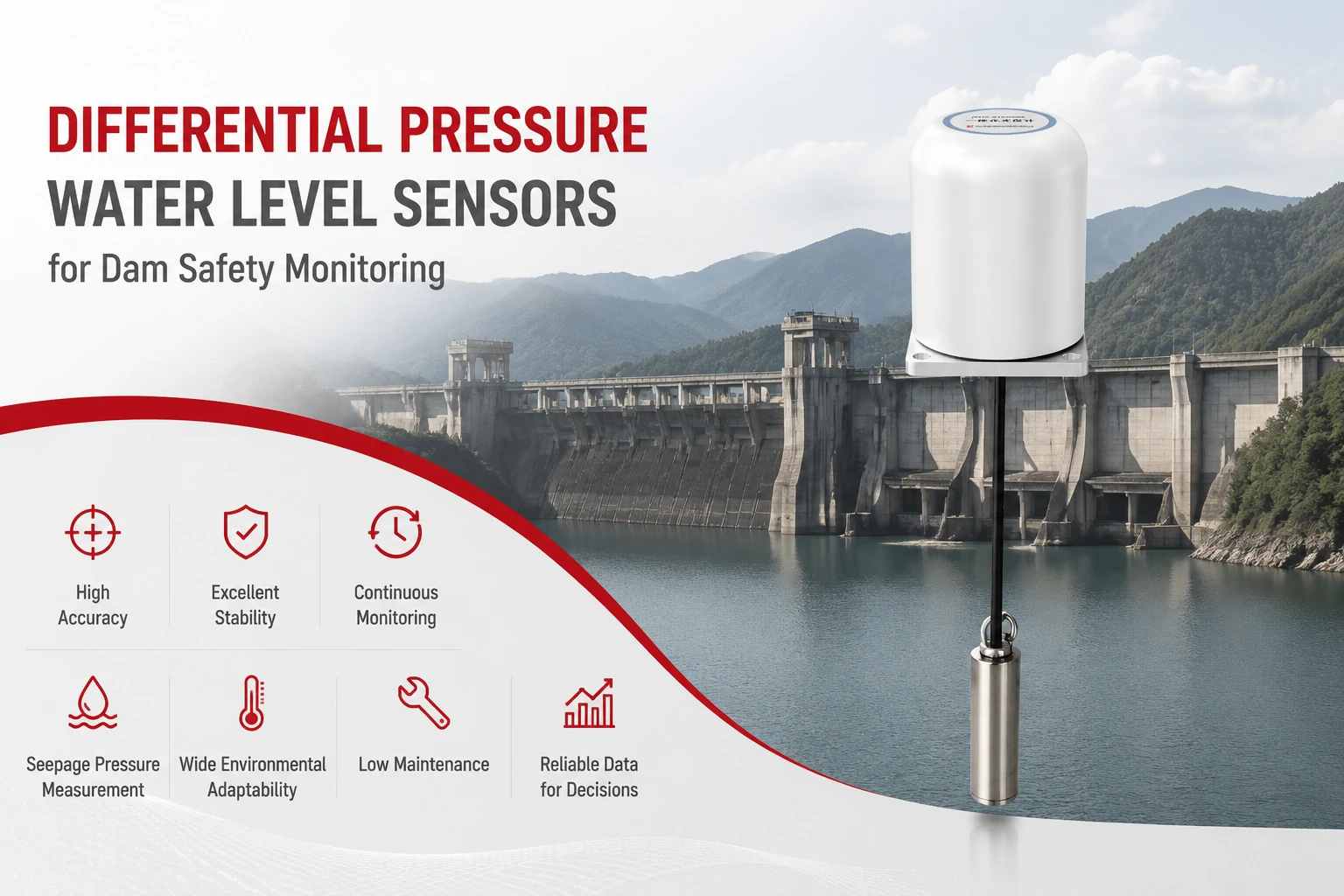
Key Takeaways The strongest fit is usually a confined, submerged, or s...
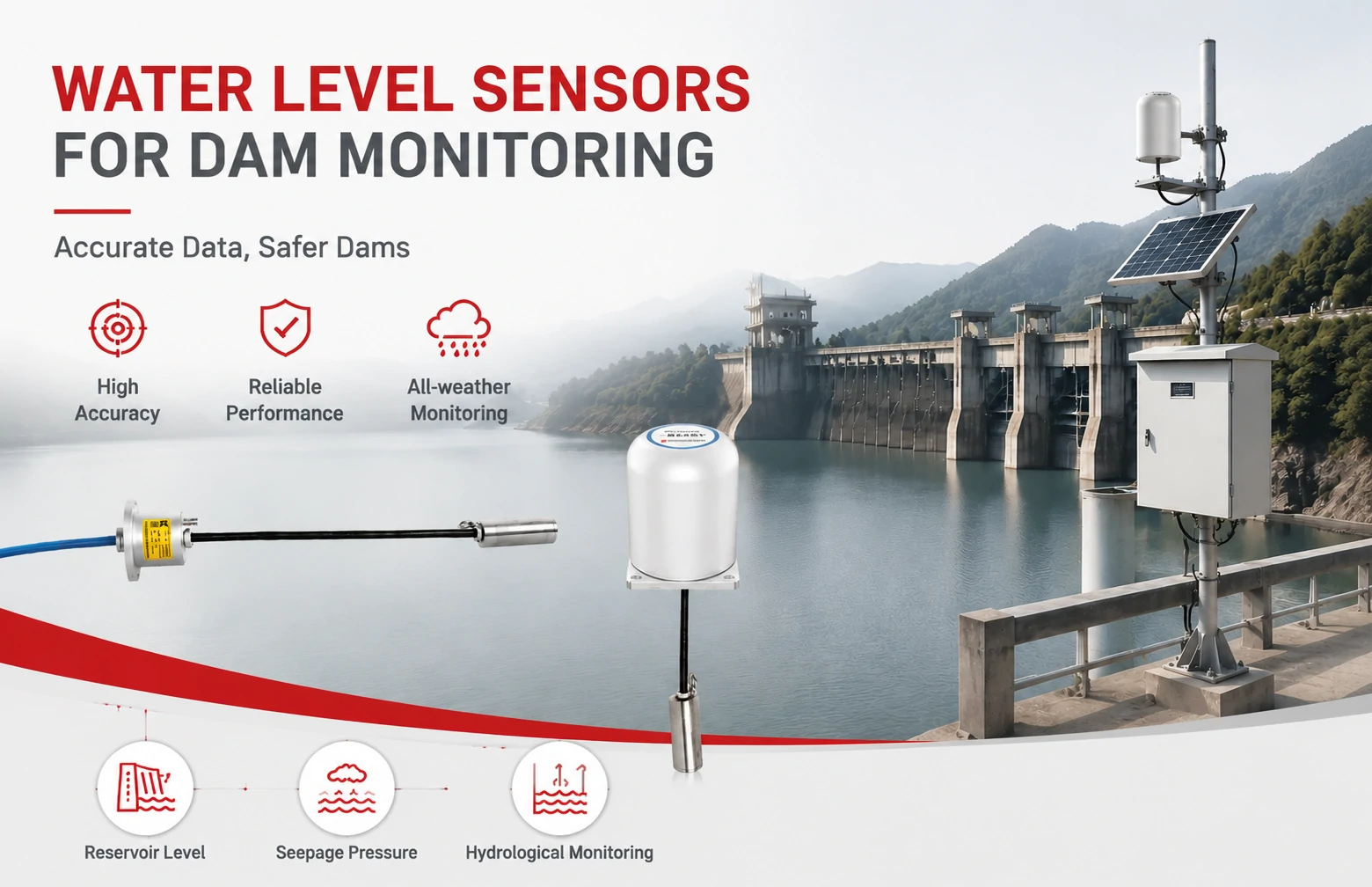
Kingmach Water Level Sensors for Dam Monitoring: A Buyer's Guide to Differential Pre...
Products
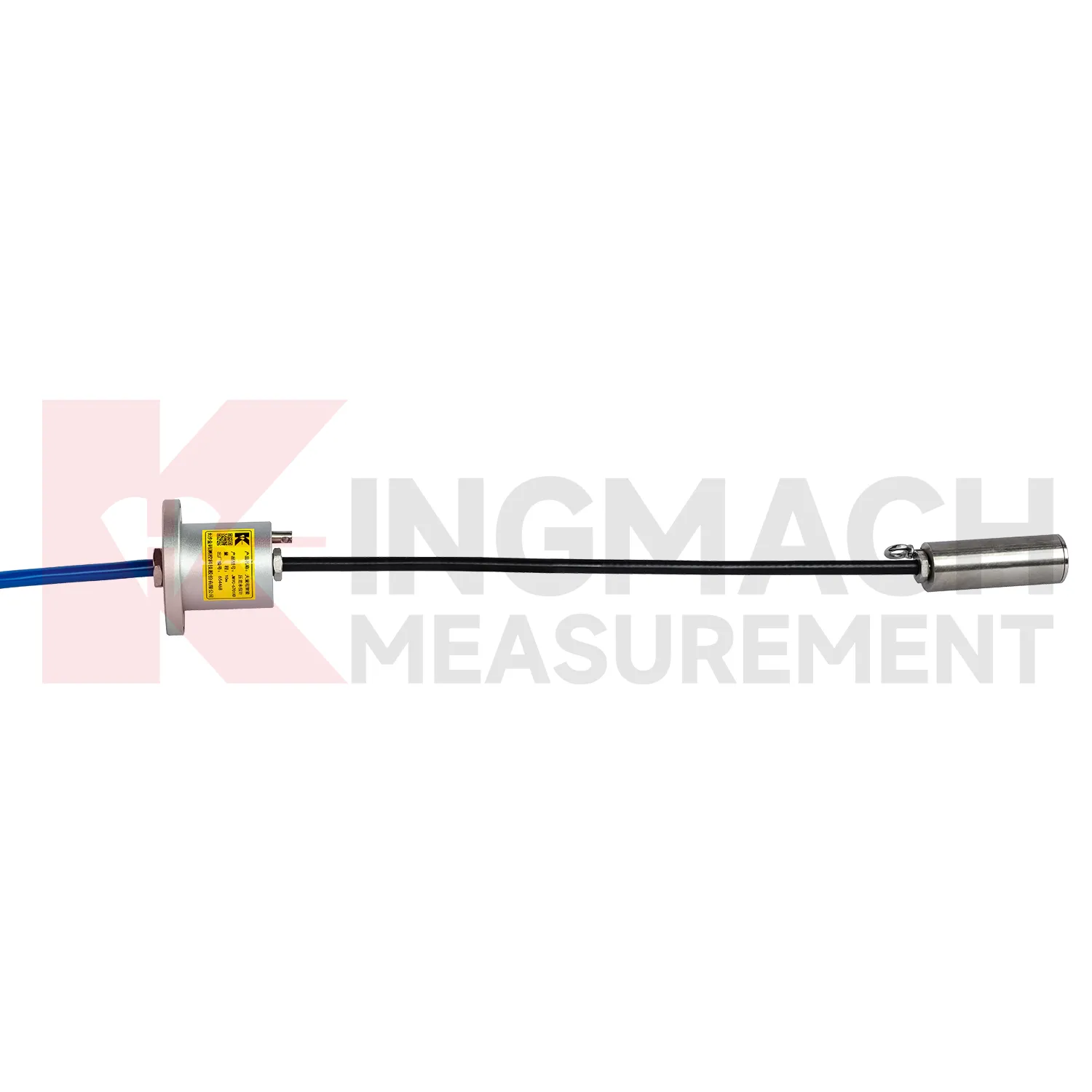
Wide-Range Smart Differential Pressure Water Level Meter JMYC-67XXAD
View Details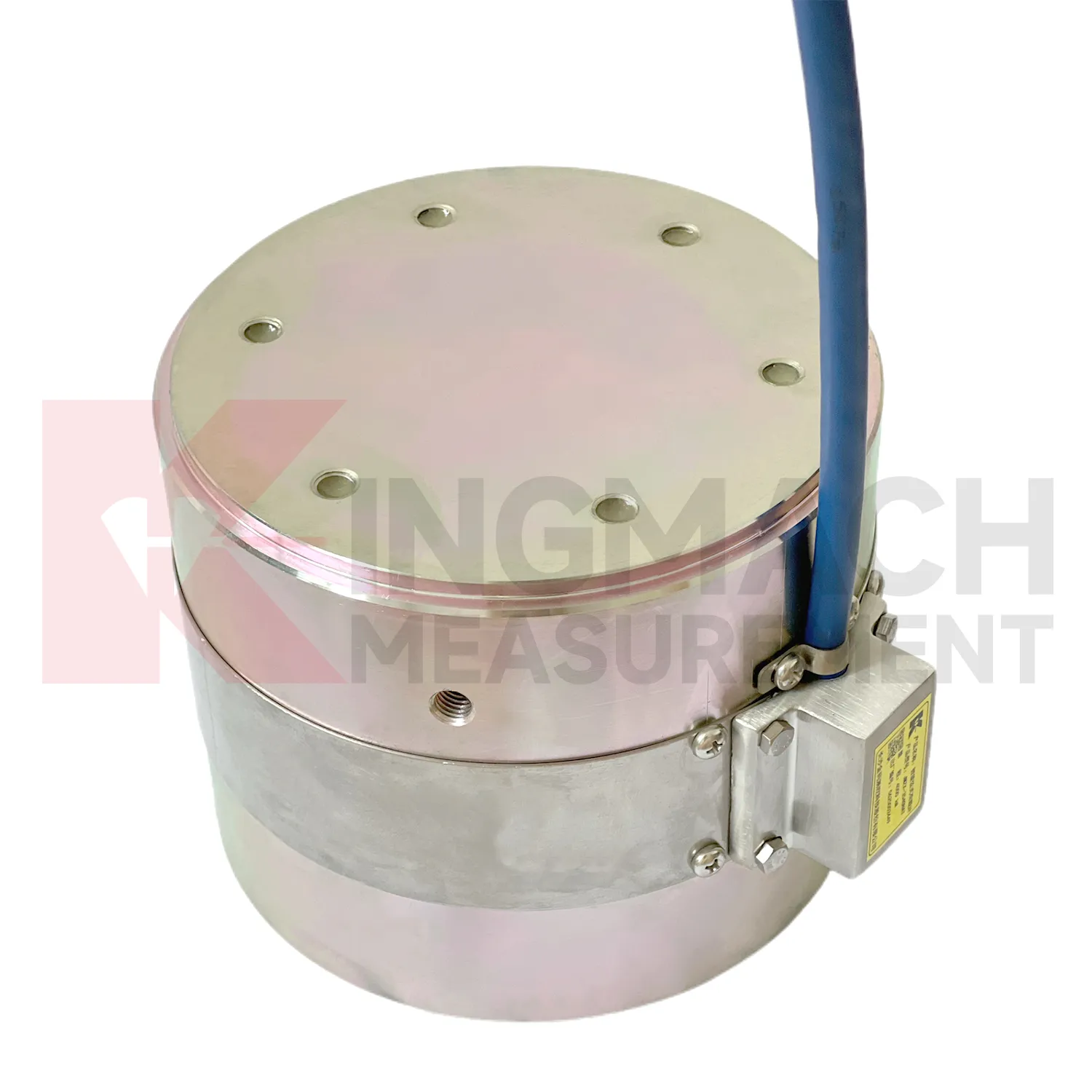
Solid load cell JMZX-34XXHAT、35XXHAT、36XXHAT
View Details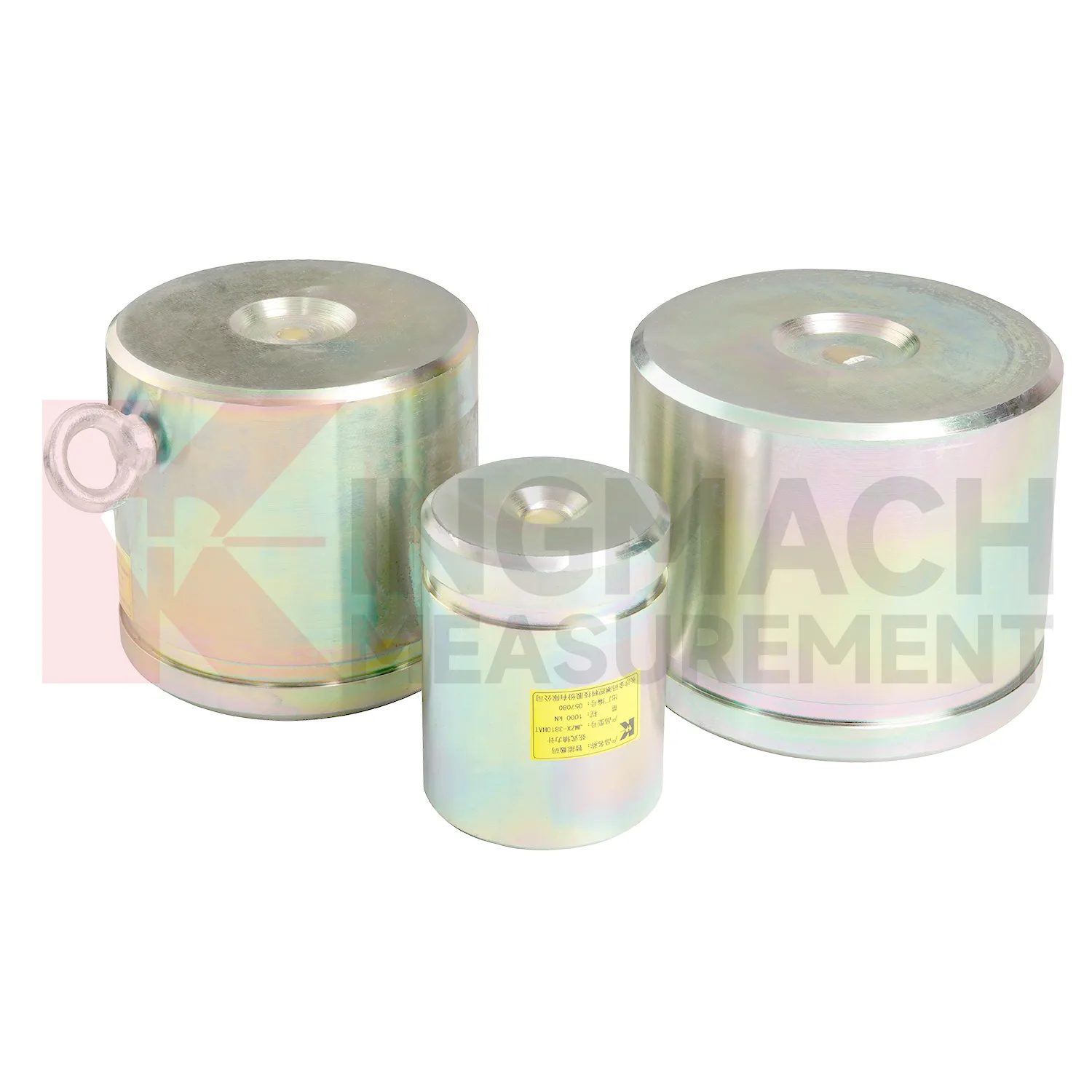
Axial Force Load Meter ( VW & Smart Type)JMZX-38XXHAT
View DetailsFAQ
The core principle stays the same—force changes the resistance of strain gauges. What changes is the mechanical design. Compression load cells use a column, bending beam types use a beam, and shear web designs use the shear stress in a structural element. Kingmach selects the design based on the required capacity and mounting constraints, but the underlying strain gauge bridge remains consistent across all models.
Most of our load cells output a millivolt signal, typically 1–3 mV/V. You’ll need a readout instrument or data logger that accepts bridge inputs. We often pair them with our digital readout units that handle excitation, amplification, and display. Some projects integrate them directly into PLC systems via a transmitter.
Check the temperature effect on zero and span in the datasheet. Kingmach cells typically compensate across -20°C to 60°C with drift under 0.02% of full scale per degree. For extreme conditions, we can extend that range with custom calibration. In practice, this means minimal data correction is needed overnight or across seasons.
The biggest killers are eccentric loading and bent center holes. Always use proper bearing plates to distribute force evenly, and ensure the hydraulic jack sits flat during tensioning. For multi-strand anchors, our center-hole load cell design eliminates most alignment issues. Also, let the assembly settle for a few minutes before zeroing your readout.
Share your product type, target capacity, and application requirements. Our team can review the details and recommend a practical next step.
If you are interested in our products or want to become our partner.
Please leave your contact information, our team will contact you as soon as possible.
Mail: [email protected]
Contact Us: +8613808434127
Address: No. 188 Tongzipo West Rd, Changsha, Hunan, China