
 EN
EN
 ar
ar bg
bg hr
hr cs
cs da
da nl
nl fi
fi fr
fr de
de el
el hi
hi it
it ko
ko no
no pl
pl pt
pt ro
ro ru
ru es
es sv
sv tl
tl iw
iw id
id lv
lv lt
lt sr
sr sk
sk sl
sl uk
uk vi
vi et
et hu
hu th
th tr
tr fa
fa ms
ms hy
hy ka
ka ur
ur bn
bn mn
mn ta
ta kk
kk uz
uz ku
ku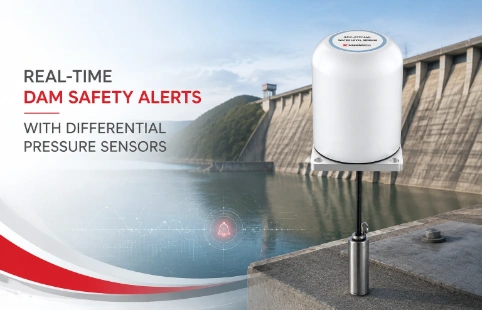
Real-Time Dam Safety Alerts with Differential Pressure Water Level Sensors
Key Takeaways An alert chain needs more than a sensor: define field in...

Semiconductor Temperature Sensors for Reliable Monitoring
Temperature measurements in geotechnical and structural monitoring often need sensors that react quickly and handle long cable runs without signal loss. Semiconductor-based sensors are a practical choice here—they change resistance predictably with temperature, giving engineers straightforward, repeatable readings. Kingmach integrates these elements into rugged probes and packages suited for embedment in concrete, soil, or boreholes. Because we manufacture in-house, we can adjust probe dimensions, cable lengths, and output formats to fit your data logger or readout system. This means you’re not stuck adapting your project to an off-the-shelf sensor; the sensor adapts to your project. Our clients use them for everything from arch dam thermal profiling to permafrost monitoring, where stability and fast thermal response matter more than ultra-high precision. We’ve found that by pairing the right semiconductor element with a well-sealed housing, you get a sensor that performs reliably for years with minimal drift. It’s a straightforward, cost-effective tool that deserves a closer look if you’re specifying a monitoring array.
Technical Detail
Our semiconductor temperature sensors use a thermistor-based element that delivers a strong resistance change per degree Celsius. This high sensitivity makes it easier to detect small thermal shifts in concrete curing, soil temperature gradients, or machinery. Typical base resistance values are commonly available at 2k, 3k, or 10k ohms at 25°C, with negative temperature coefficient (NTC) characteristics. We assemble the element inside stainless steel housings—options include pointed tips for direct soil insertion, flanges for surface mounting, or slim profiles for embedment. Cable connections are potted to block moisture ingress, and we can supply polyurethane or PVC jackets with shielding if you’re running cables alongside power lines. Output can be configured as a simple resistance loop or with an integrated 4-20mA transmitter for direct PLC connection. Customization is where we do the heavy lifting. Need a 50-meter cable on a 6mm diameter probe? Non-standard resistance curves? A pigtail connector that mates with your existing logger? We’ll build a few samples, test them, and ship when you’re satisfied. Typical applications include mass concrete temperature monitoring during dam construction, ground temperature monitoring along pipelines, and thermal profiling of boreholes for geothermal studies. We ship from our ISO-certified facility with calibration data if your project requires traceability. Support doesn’t end at delivery; our engineers can walk your team through installation best practices or troubleshoot unusual readings over a call.
News
Key Takeaways An alert chain needs more than a sensor: define field in...
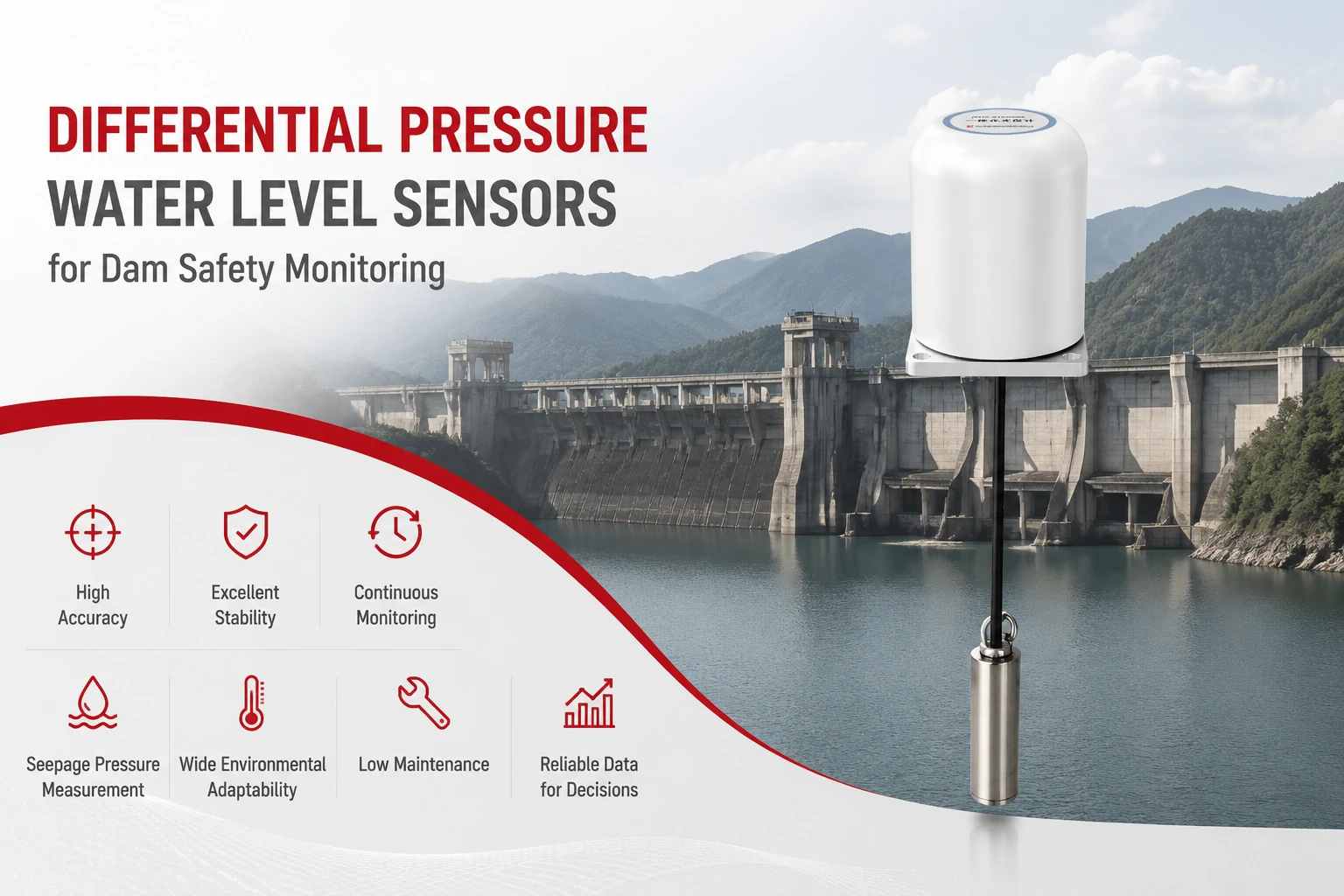
Key Takeaways The strongest fit is usually a confined, submerged, or s...
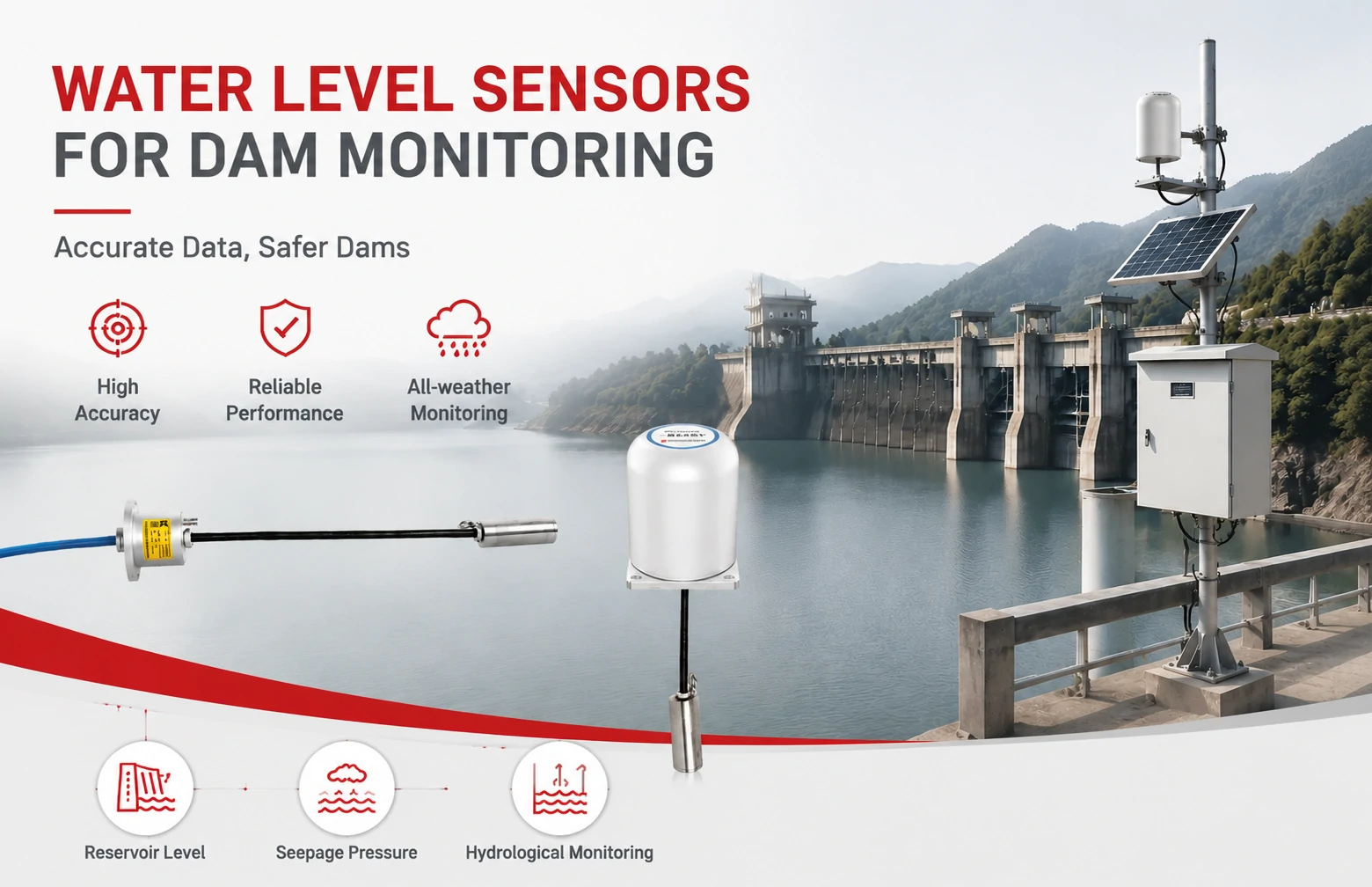
Kingmach Water Level Sensors for Dam Monitoring: A Buyer's Guide to Differential Pre...
Products
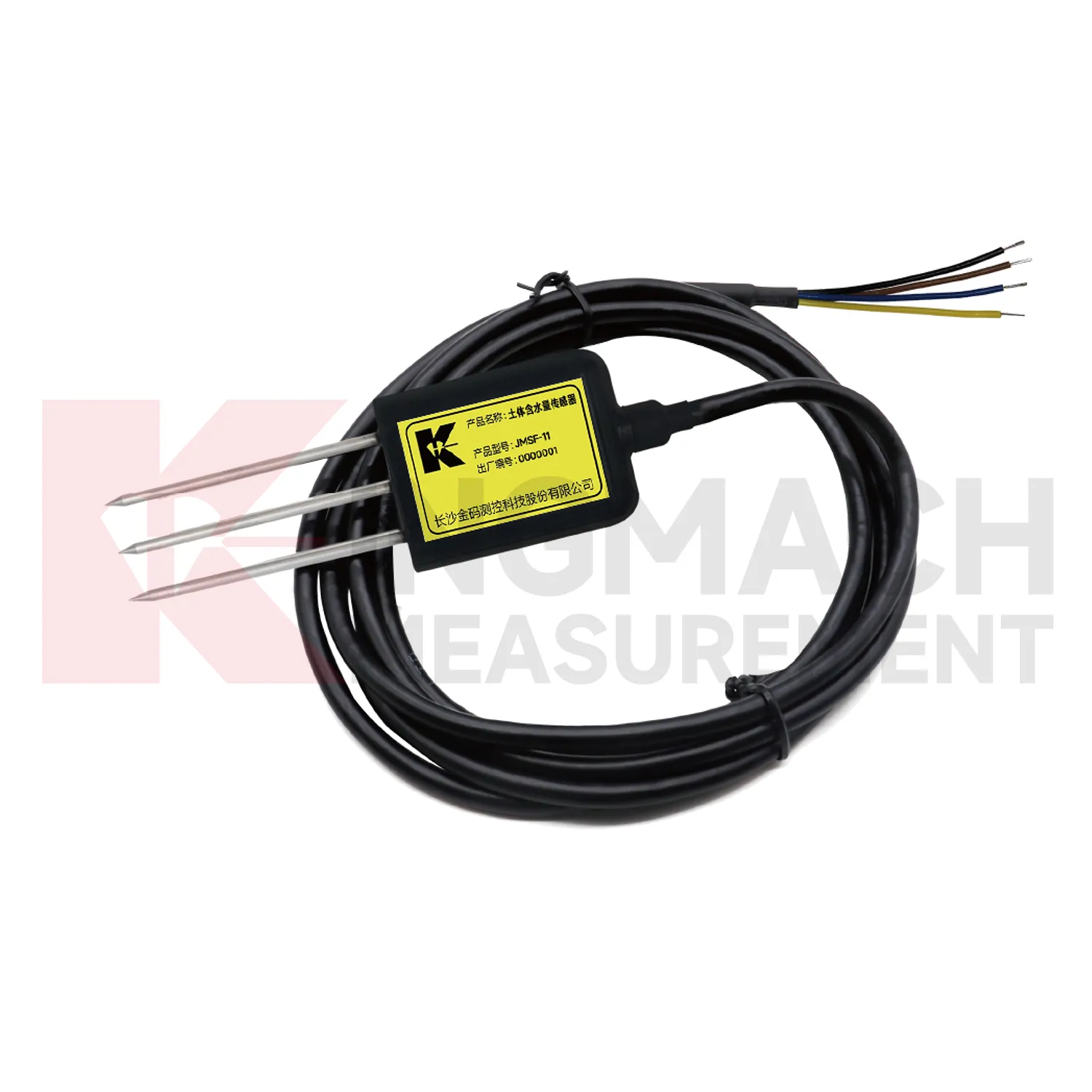
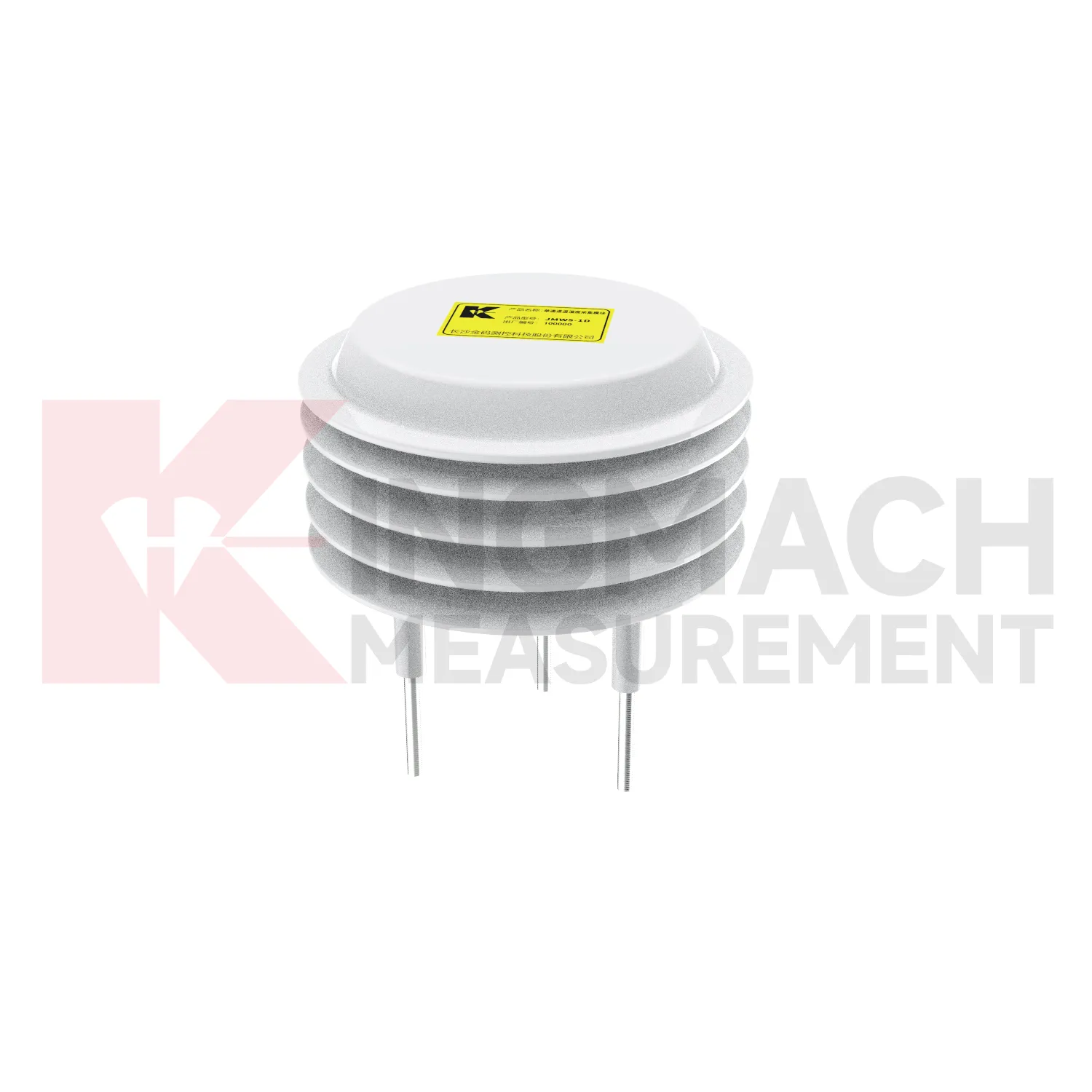
Single-Channel Temperature and Humidity Acquisition Module JMWS-1D
View Details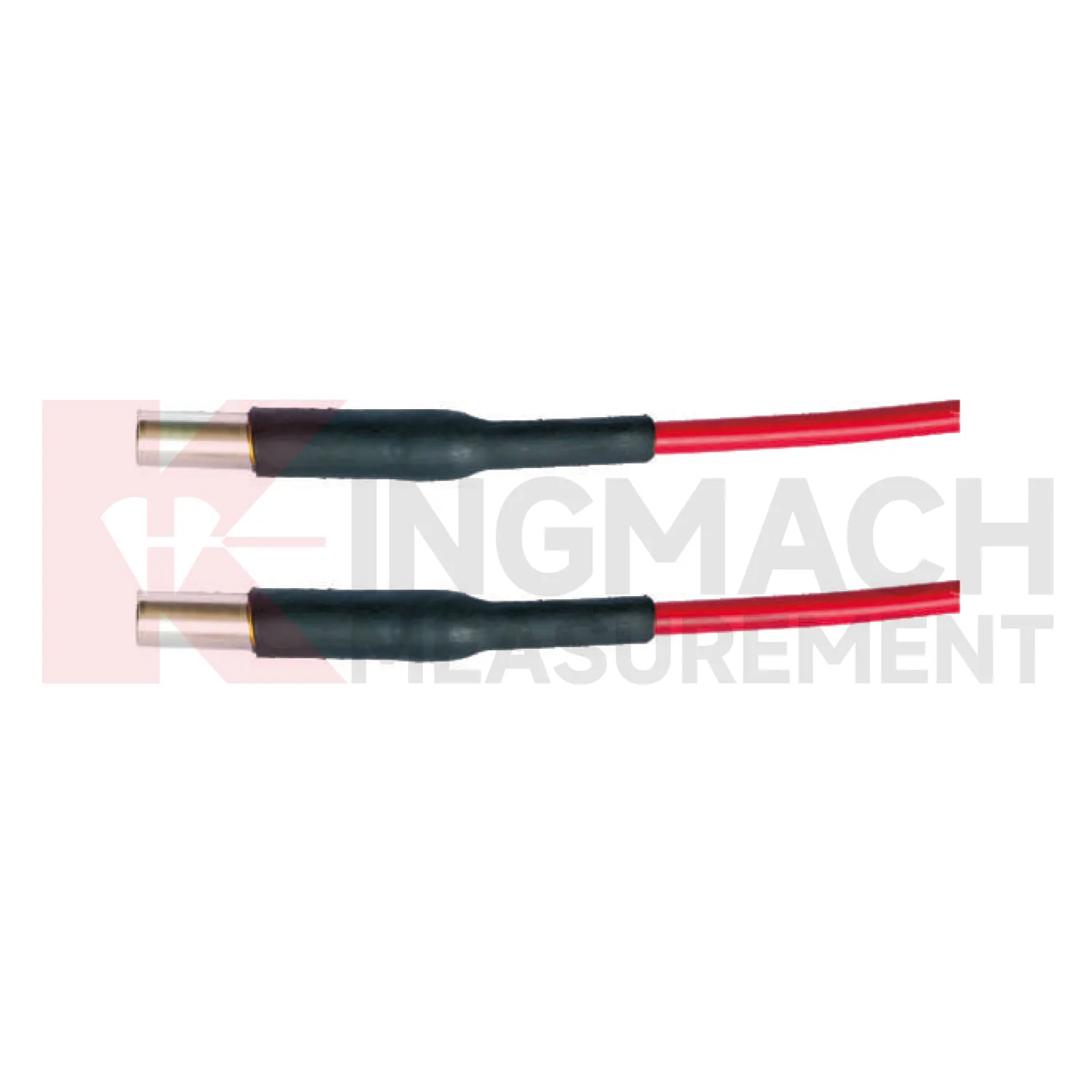
FAQ
Semiconductor sensors usually give higher sensitivity—meaning a larger signal change per degree—so you can use simpler readout equipment and detect small temperature shifts more easily. They also don’t need cold-junction compensation like thermocouples. The trade-off is a narrower temperature range (typically -50°C to +150°C) and slightly lower accuracy at extremes. For most geotechnical applications, like concrete curing or ground temperature monitoring, this range is more than enough. We often see less drift over multi-year deployments compared to thermocouples, which is why many dam safety projects use them.
Yes, that’s a big part of what we do. If your data acquisition system expects a specific resistance curve—say a 30kΩ thermistor at 25°C—we can source elements with that profile. The same goes for probe dimensions: we’ve built sensors as slim as 3mm diameter for lab models and as bulky as 20mm with a flange for dam concrete. Just send us your requirements; we’ll propose a design and usually deliver within 2-3 weeks after approval.
Our standard housing is 316 stainless steel with epoxy-potted transitions, which handles permanent submersion in water up to several bars. For deep boreholes or downhole applications, we can upgrade to welded construction and higher-pressure-rated seals. We’ve deployed sensors at depths of 200 meters in groundwater monitoring wells without failure. If you have a specific pressure rating in mind, let us know—we’ll confirm compatibility.
The most common is a two-wire resistance output, which works with any data logger that can measure resistance. For longer cable runs or plant environments, we often integrate a 4-20mA transmitter inside the sensor head, so you get a current signal immune to line resistance. Some clients ask for 0-5V or Modbus RTU outputs; those can be arranged with a separate interface module. Just tell us what your logger needs, and we’ll match it.
Yes, we can supply a calibration certificate traceable to national standards for an additional charge. We test each sensor at three or more temperature points, typically in an oil bath, and provide the measured resistance values. For large orders, we often batch-test and can include statistical data like maximum deviation. If your project requires ISO 17025 calibration, we can arrange that through a partner lab.
Share your product type, target capacity, and application requirements. Our team can review the details and recommend a practical next step.
If you are interested in our products or want to become our partner.
Please leave your contact information, our team will contact you as soon as possible.
Mail: [email protected]
Contact Us: +8613808434127
Address: No. 188 Tongzipo West Rd, Changsha, Hunan, China