
 EN
EN
 ar
ar bg
bg hr
hr cs
cs da
da nl
nl fi
fi fr
fr de
de el
el hi
hi it
it ko
ko no
no pl
pl pt
pt ro
ro ru
ru es
es sv
sv tl
tl iw
iw id
id lv
lv lt
lt sr
sr sk
sk sl
sl uk
uk vi
vi et
et hu
hu th
th tr
tr fa
fa ms
ms hy
hy ka
ka ur
ur bn
bn mn
mn ta
ta kk
kk uz
uz ku
ku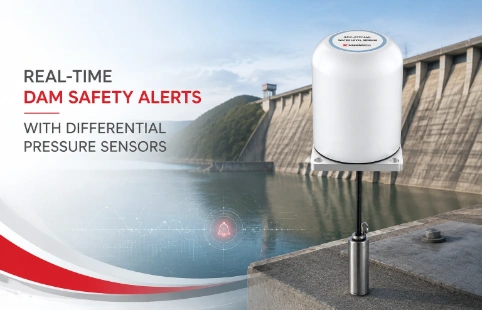
Real-Time Dam Safety Alerts with Differential Pressure Water Level Sensors
Key Takeaways An alert chain needs more than a sensor: define field in...

Standpipe Piezometer: Simple, Dependable Water Level Monitoring
For projects that need straightforward, long-term groundwater monitoring, the standpipe piezometer remains a widely used choice. Kingmach designs these instruments to measure water levels and pore pressures in soil and rock. They are common on dam sites, landslides, and deep excavations. The basic construction—a slotted pipe installed in a borehole with a sand filter—makes them easy to understand and maintain. You read the water level with a dip meter, so there is no need for complex readout units. This simplicity often translates to lower cost and easier field training. When planning a monitoring campaign, engineers weigh the trade-offs between simplicity and automation. Kingmach offers customization to match filter lengths, pipe diameters, and grouting methods to your site conditions. Our support team can advise on typical field practices and deliver units anywhere through our distribution network.
Technical Detail
A standpipe piezometer consists of a riser pipe with a porous intake section placed within a granular filter zone in a borehole. The water level inside the pipe reflects the groundwater pressure at the filter depth. Kingmach provides these piezometers in various materials, including PVC and galvanized steel, suited to different environments and budgets. The intake section can be customized—slotted pipe, porous stone, or a dedicated filter element—depending on soil type. Bentonite seals above and below the filter prevent vertical water migration along the borehole, ensuring the reading represents the target layer. Installation typically involves drilling, placing the sand pack, lowering the standpipe, and backfilling with grout. Because the system is passive, no downhole electronics are needed, which can be an advantage in remote sites without power. Readings are taken manually with a water level meter or can be automated with pressure transducers. Kingmach supports projects with clear installation guides and field-ready accessories like protective covers and locking caps. Our production process allows moderate custom lengths and thread configurations. Many geotechnical firms order these piezometers together with our inclinometers and settlement sensors for integrated monitoring. We maintain stock for common sizes and can ship worldwide through our logistics partners. For larger programs, we offer consistent batch quality and technical documentation to meet consultant specifications.
News
Key Takeaways An alert chain needs more than a sensor: define field in...
Key Takeaways The strongest fit is usually a confined, submerged, or s...
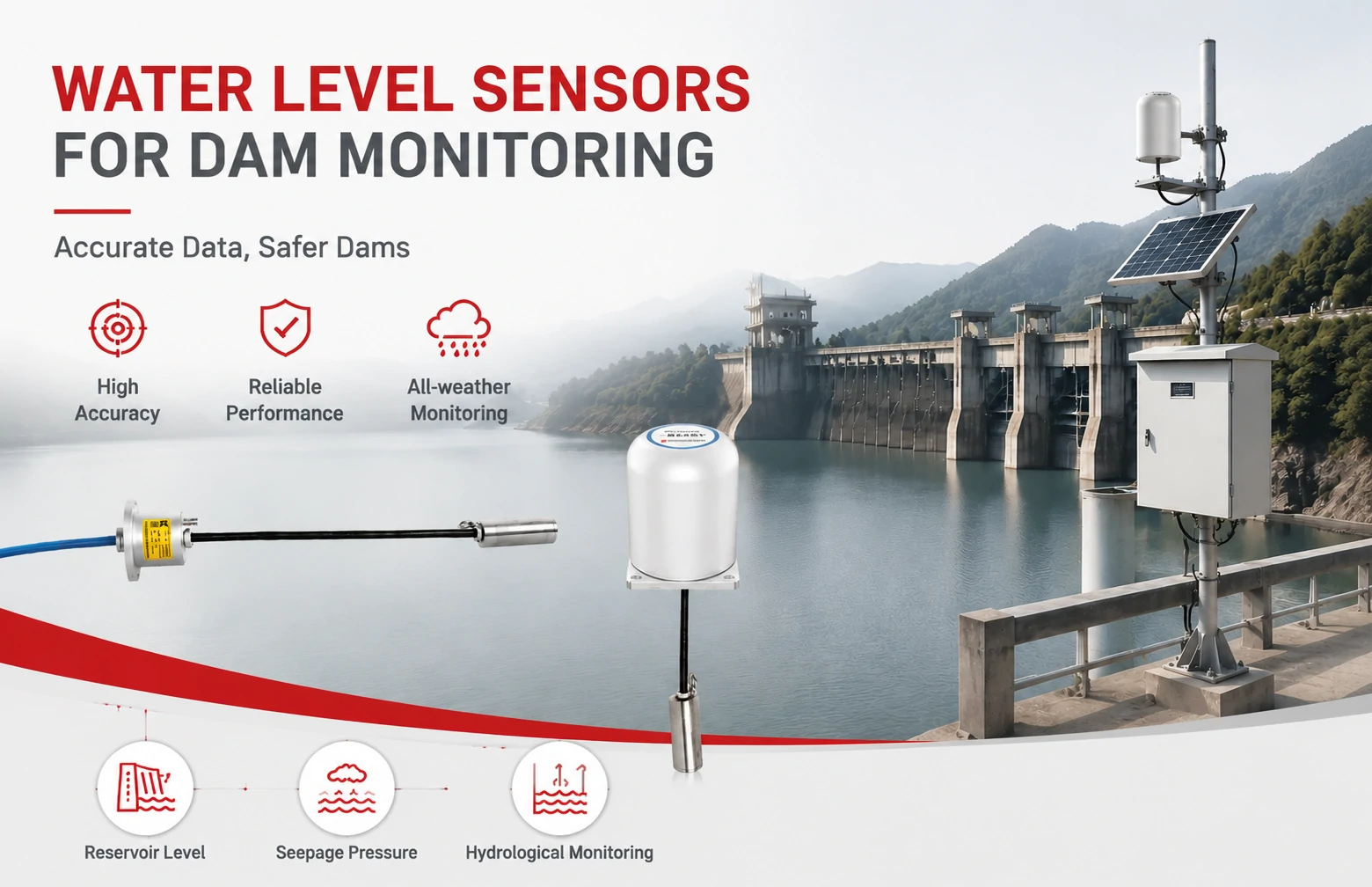
Kingmach Water Level Sensors for Dam Monitoring: A Buyer's Guide to Differential Pre...
Products
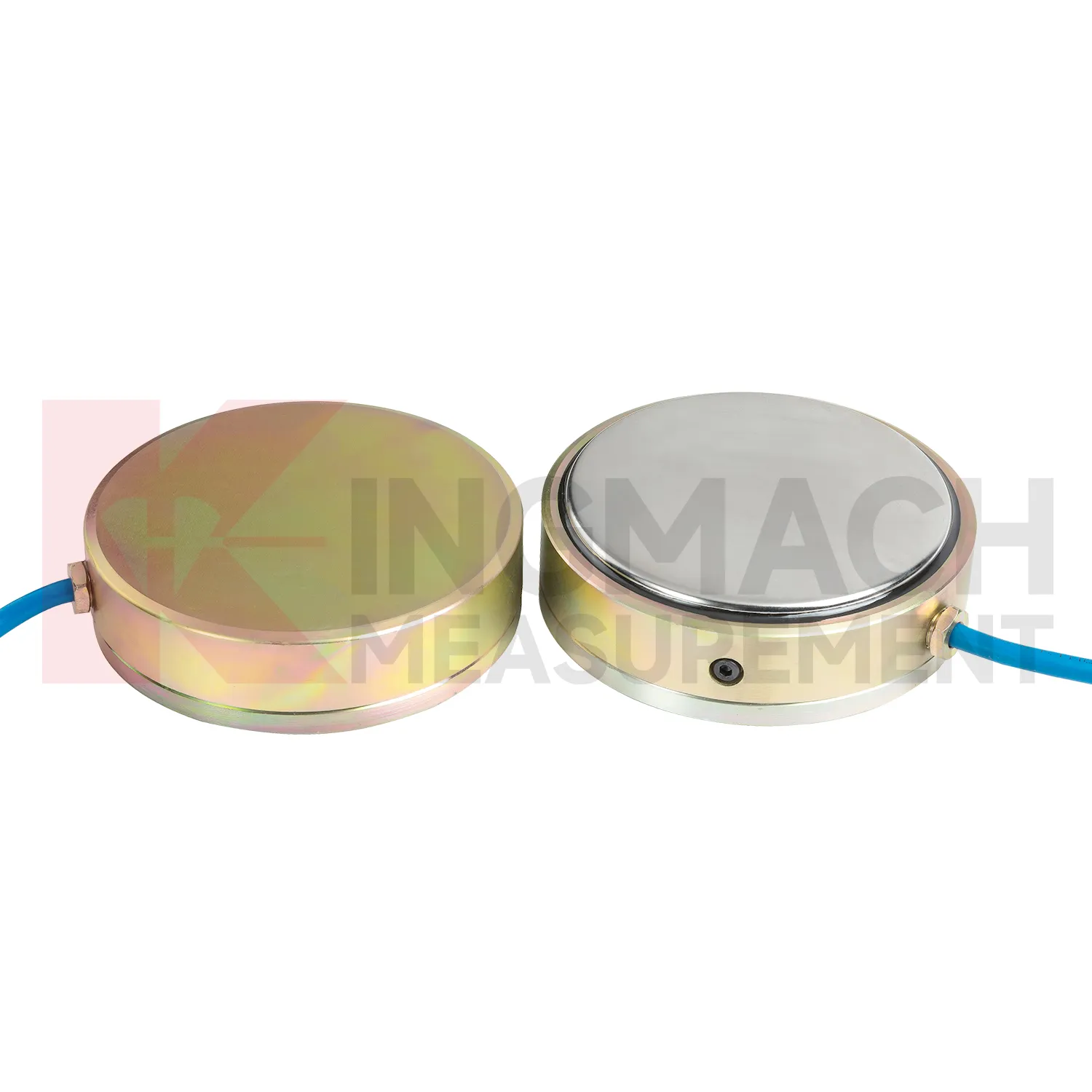
Earth Pressure Cell ( VW & Smart Type) JMZX-50XXAT/ ATM
View Details
Smart Formwork Axial Force Meter(VW)JMZX-39XXHAT
View DetailsLarge Earth Pressure Cell ( VW & Smart Type) JMZX-51XXAT/ ATM
View DetailsFAQ
The filter length depends on the thickness of the soil layer you want to measure and the expected hydraulic gradient. In a relatively uniform layer, a 1- to 2-meter filter is common. For thin lenses, a shorter filter may be needed to avoid crossing strata. Our team can review borehole logs and help you select a length that captures the target zone without connecting separate aquifers.
A standpipe piezometer is an open-tube design that measures water level directly; a vibrating wire piezometer uses a pressure sensor to measure pore pressure at the tip. Standpipe models are simpler and cost less but have a slower response in low-permeability soils because water must flow into or out of the standpipe. Vibrating wire types offer faster response and can be automated more easily, but they are more complex and require a readout unit.
The measurement frequency depends on the project phase. During construction, readings once or twice a day are typical to capture rapid changes. For long-term monitoring, weekly or monthly readings may be enough, unless there are concerns about seasonal fluctuations or nearby activities. Manual dipping takes only a few minutes per standpipe, so the labor cost is manageable.
Yes, you can lower a small pressure transducer into the water column and log data at set intervals. The transducer measures the height of water above it, giving a continuous record. This approach is useful when frequent data is needed or the site is hard to access. Just make sure the transducer is rated for the expected submersion depth and water chemistry.
Maintenance is minimal. Keep the protective cap locked to prevent debris or vandals from entering. In cold climates, ensure the casing is insulated or buried below frost depth to avoid freezing the water column. Periodically check that the inside of the pipe is clean—if silt accumulates, you can flush it. A dip meter check with a sonic water level meter can confirm the true depth.
Share your product type, target capacity, and application requirements. Our team can review the details and recommend a practical next step.
If you are interested in our products or want to become our partner.
Please leave your contact information, our team will contact you as soon as possible.
Mail: [email protected]
Contact Us: +8613808434127
Address: No. 188 Tongzipo West Rd, Changsha, Hunan, China