
 EN
EN
 ar
ar bg
bg hr
hr cs
cs da
da nl
nl fi
fi fr
fr de
de el
el hi
hi it
it ko
ko no
no pl
pl pt
pt ro
ro ru
ru es
es sv
sv tl
tl iw
iw id
id lv
lv lt
lt sr
sr sk
sk sl
sl uk
uk vi
vi et
et hu
hu th
th tr
tr fa
fa ms
ms hy
hy ka
ka ur
ur bn
bn mn
mn ta
ta kk
kk uz
uz ku
ku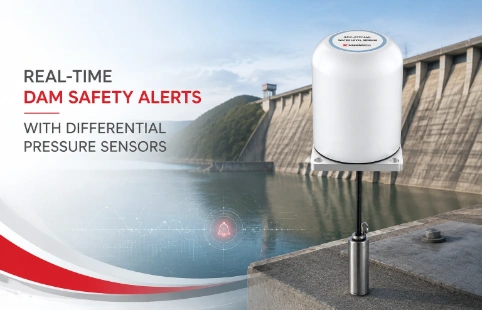
Real-Time Dam Safety Alerts with Differential Pressure Water Level Sensors
Key Takeaways An alert chain needs more than a sensor: define field in...

Tipping Bucket Rain Gauge That Delivers Consistent Field Data
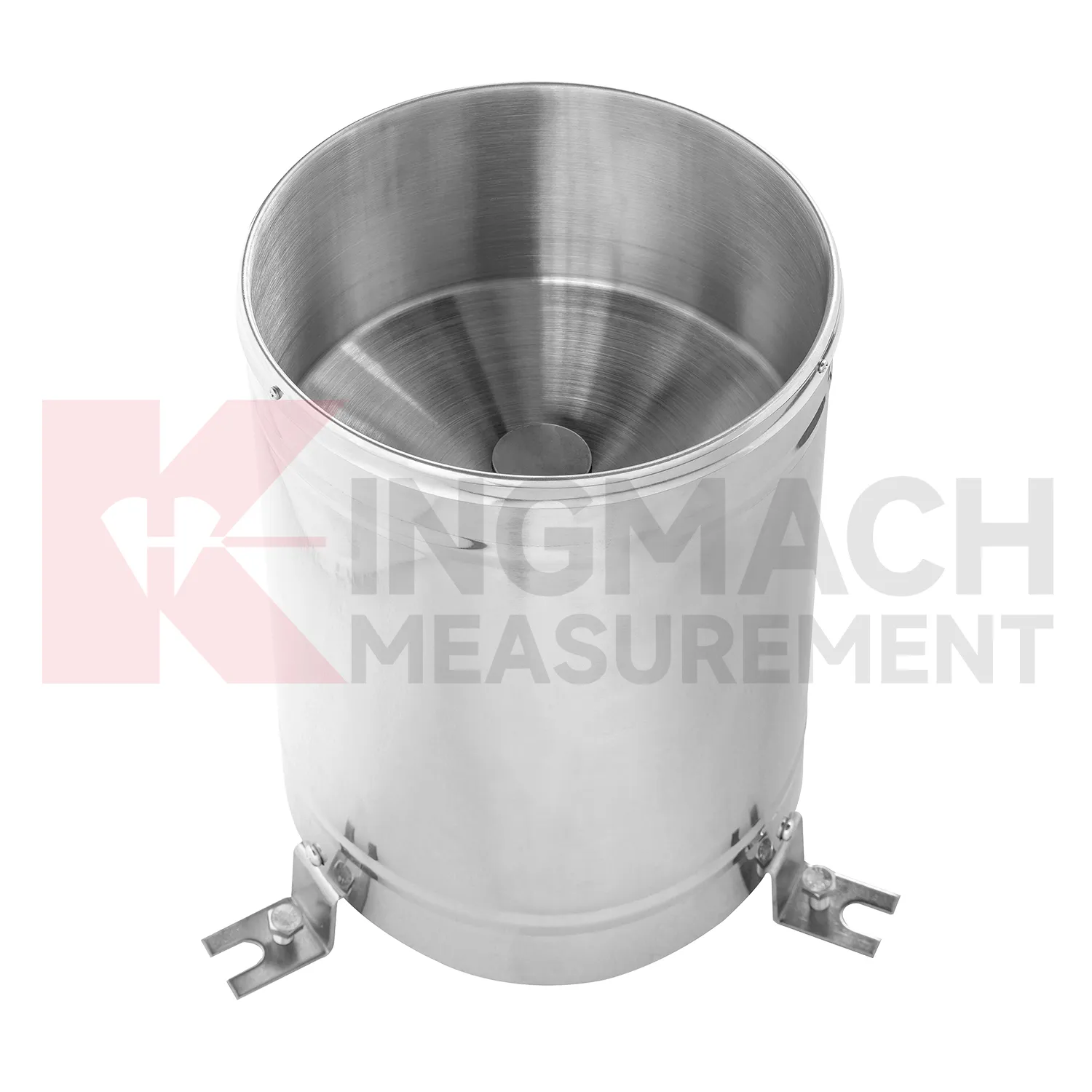
Rain gauges are easy to overlook until a data gap shows up mid-project. When you’re watching catchment areas, irrigation systems, or early warning networks, the tipping bucket rain gauge becomes a small but stubborn point of failure—clogging, miscounts, drift. Kingmach has spent years working with geotechnical and environmental monitoring teams, and we keep hearing the same thing: they need a gauge that stays consistent without constant babysitting. That’s the design logic our engineers work from. No glossy claims about unbreakable sensors. Just practical choices—materials that resist corrosion in humid climates, a tipping mechanism that timing tests confirm hours later, and housings you can actually open with wet hands. If your site demands a tipping bucket rain gauge you don’t have to doubt, we can talk through what you’re measuring and whether our standard range fits, or if a custom setup makes more sense.
Technical Detail
A tipping bucket rain gauge works on a simple mechanical principle: a seesaw bucket pivots each time a set amount of rain collects, triggering a magnetic switch that records a count. That simplicity is what keeps it common in weather stations, hydrology stations, landslide monitoring, and smart agriculture. But field conditions quickly expose weak welds, plastic warping under sun, or contacts that chatter in wind. At Kingmach, we put effort into the details that separate a gauge that needs weekly cleaning from one that runs a season without drift. Our standard models use stainless steel orifice rings and buckets, with an anodized or powder-coated aluminum housing to cut weight without inviting rust. The bearing system runs on sapphire pivots—common enough in the industry, but we pair them with an alignment jig during assembly to keep the bucket level under repeated loads. Calibration is done onsite before packing, with a known volume of water, not just a screw setting. Resolution options cover 0.1 mm, 0.2 mm, and 0.5 mm per tip, so you can choose what fits the data granularity your project needs. For heavy rainfall regions, we offer a syphon-controlled mechanism that buffers inflow, reducing undercount at intensities above 4 mm/min—again, nothing proprietary, but something cheaper units tend to skip. Because Kingmach is a geotechnical instrument manufacturer first, we support the rain gauge with data loggers, wireless transmitters, and mounting kits that talk to your existing monitoring network. Customization is part of our workflow: longer cable runs, special output protocols, or mounting brackets adapted to a specific tower. Our team provides technical documents and after-sales support through local distributors, so if a logger misreads a pulse count, you’re not stuck decoding it alone. The tipping bucket rain gauge isn’t the most complex sensor on a site, but when it fails, the missing data can throw off whole models. We aim to make that failure less likely, and easier to fix when it happens.
News
Key Takeaways An alert chain needs more than a sensor: define field in...
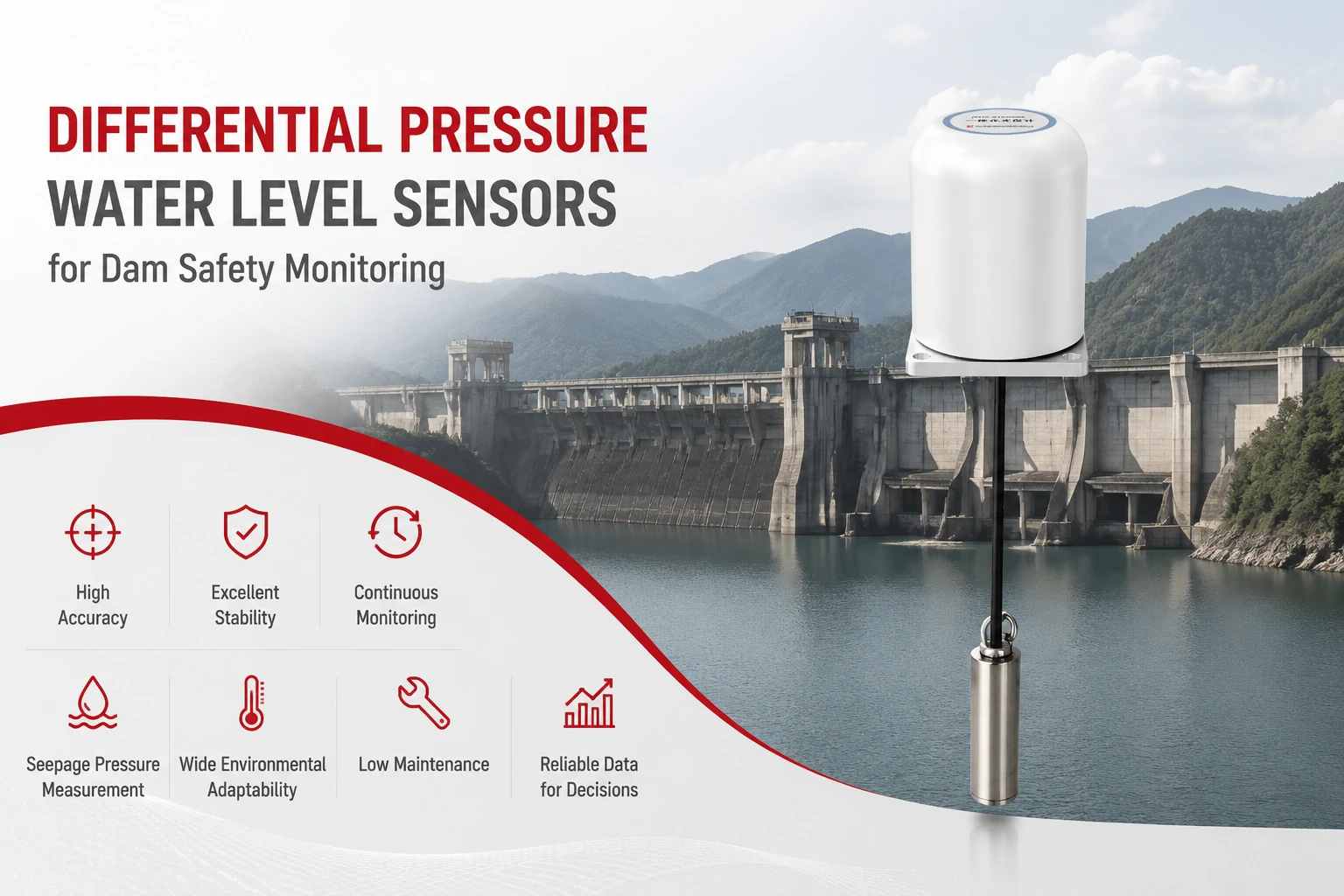
Key Takeaways The strongest fit is usually a confined, submerged, or s...
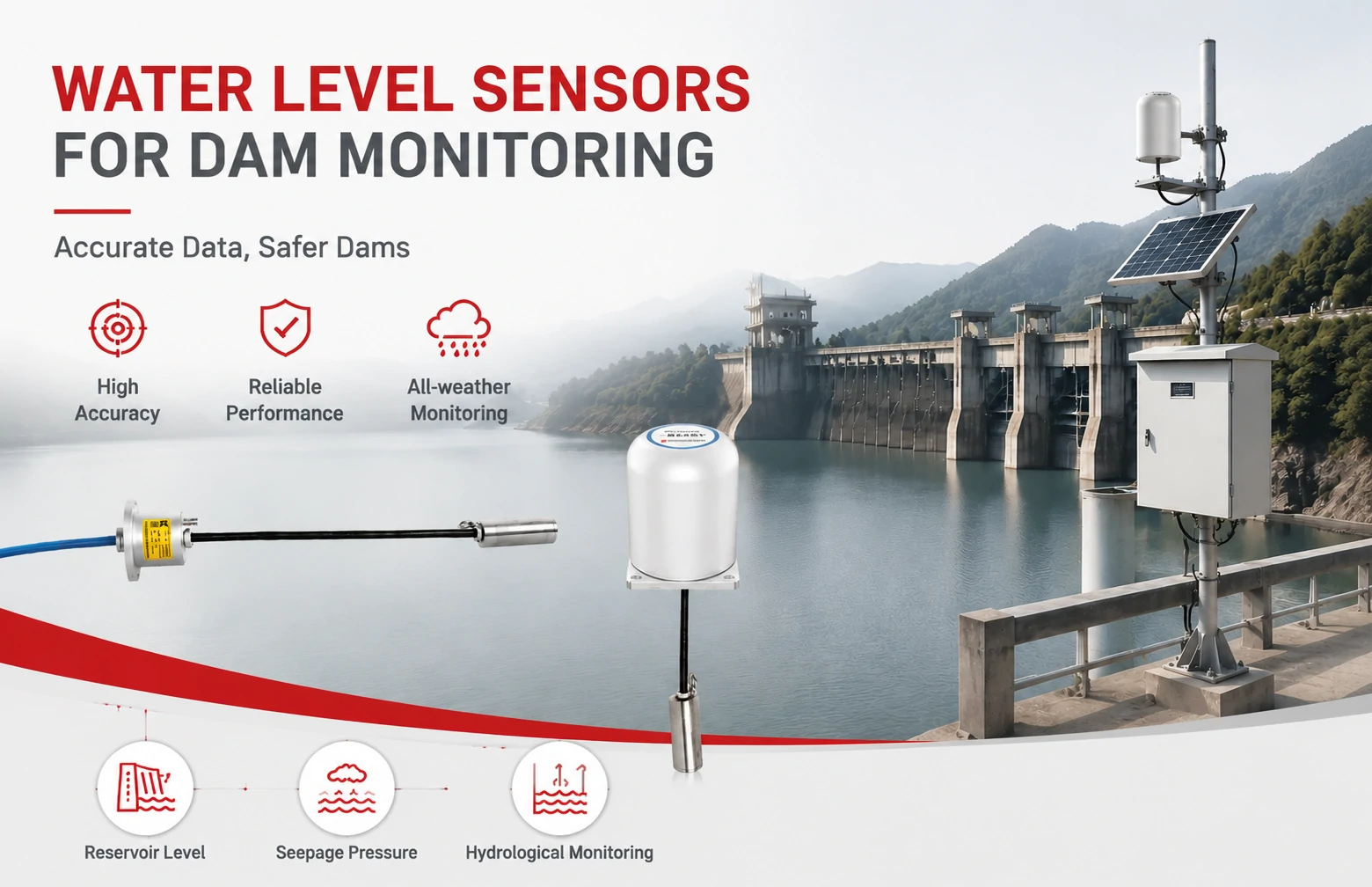
Kingmach Water Level Sensors for Dam Monitoring: A Buyer's Guide to Differential Pre...
Products
FAQ
Start with the data use. For urban flood warning, 0.2 mm or 0.5 mm per tip usually catches the rapid changes fast enough. For long-term climate monitoring or low-rainfall areas, 0.1 mm gives you more detail, but it means more tips and more wear on the mechanism over time. We can send you sample datasets to compare.
Debris and insect nests clogging the funnel are the biggest headaches. After that, bearing wear or a warped bucket edge can shift the calibration. A regular cleaning schedule and a spot check with a known water volume once a season keeps most units honest. If yours drifts beyond what a field recal can fix, we can walk through the cause.
The gauge itself just outputs a pulse signal. You’ll want a compatible data logger or transmitter—we have options that push data via 4G, NB-IoT, or LoRa to a cloud server. Our support team can help you pick a module that fits your existing network or set up a complete monitoring station.
Keep it on level ground, away from trees and buildings. The orifice should be at about 30 cm above ground in open areas, but if you’re on a rooftop, use a stand that puts it at least twice the height of the parapet away. A wind shield helps in exposed sites, but it adds maintenance. We can provide mounting recommendations specific to your location.
Standard models ship from stock within a week in most regions. Custom work—like a specific RS485 protocol or 50-meter cable—adds about 2-3 weeks depending on testing. We’ll confirm a timeline after you share the details. Rush orders are sometimes possible; just ask.
Share your product type, target capacity, and application requirements. Our team can review the details and recommend a practical next step.
Related Keywords
If you are interested in our products or want to become our partner.
Please leave your contact information, our team will contact you as soon as possible.
Mail: [email protected]
Contact Us: +8613808434127
Address: No. 188 Tongzipo West Rd, Changsha, Hunan, China