
 EN
EN
 ar
ar bg
bg hr
hr cs
cs da
da nl
nl fi
fi fr
fr de
de el
el hi
hi it
it ko
ko no
no pl
pl pt
pt ro
ro ru
ru es
es sv
sv tl
tl iw
iw id
id lv
lv lt
lt sr
sr sk
sk sl
sl uk
uk vi
vi et
et hu
hu th
th tr
tr fa
fa ms
ms hy
hy ka
ka ur
ur bn
bn mn
mn ta
ta kk
kk uz
uz ku
ku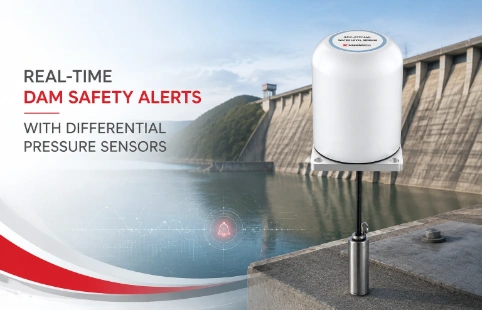
Real-Time Dam Safety Alerts with Differential Pressure Water Level Sensors
Key Takeaways An alert chain needs more than a sensor: define field in...

Distributed Central Data Acquisition Host: Technical Architecture
Setting up a monitoring network across a large site often means wrestling with dozens of sensor types—from vibrating wire piezometers to MEMS inclinometers—and getting them all to talk to one central point without data loss. A distributed central data acquisition host tackles this by serving as the communications backbone, pulling in data from remote nodes and converting it into a format your engineers can actually use. We build our hosts to handle a wide range of signal inputs and digital protocols, so you’re not locked into one sensor brand. The following technical overview looks at channel configurability, network topologies, and how the system fits into long-term geotechnical instrumentation projects. No marketing fluff—just a closer look at what the hardware does and how it can be adapted to your monitoring layout.
Technical Detail
A distributed central data acquisition host from Kingmach sits at the core of a multi-node monitoring setup, designed to collect, timestamp, and forward data from dozens or even hundreds of field sensors. Because real-world projects rarely stick to a single sensor type, the host supports multiple analog input channels (voltage, current, resistance) and common digital buses like RS-485 and CAN. This means you can mix load cells, crack meters, and weather stations on the same network without adding extra gateways. Data synchronization is handled via GPS or NTP, which keeps readings from scattered boreholes aligned to the same time base—critical when you’re correlating tilt with water pressure changes. Sampling rates are adjustable per channel group, letting you run high-frequency monitoring on sensitive areas while keeping background logging at lower rates to save storage. For communication back to the control room, built-in options include 4G, Ethernet, and LoRa, so the host fits whether your site has fiber or just a cellular signal. Data is stored locally on industrial-grade flash and also pushed to cloud servers through MQTT or Modbus TCP, which makes integration with SCADA and third-party analysis platforms straightforward. Kingmach has been supplying geotechnical monitoring hardware for over a decade, so we understand that a central host also needs to survive in field enclosures. The chassis meets IP65 when properly sealed, and the power supply accepts 9–36V DC to work with solar+battery setups. If your project requires custom channel configurations, private-label branding, or integration with legacy loggers, our engineering team can adjust the build without long lead times. Technical support and spares are available through our global distributor network, which can help keep your system online even in remote regions.
News
Key Takeaways An alert chain needs more than a sensor: define field in...
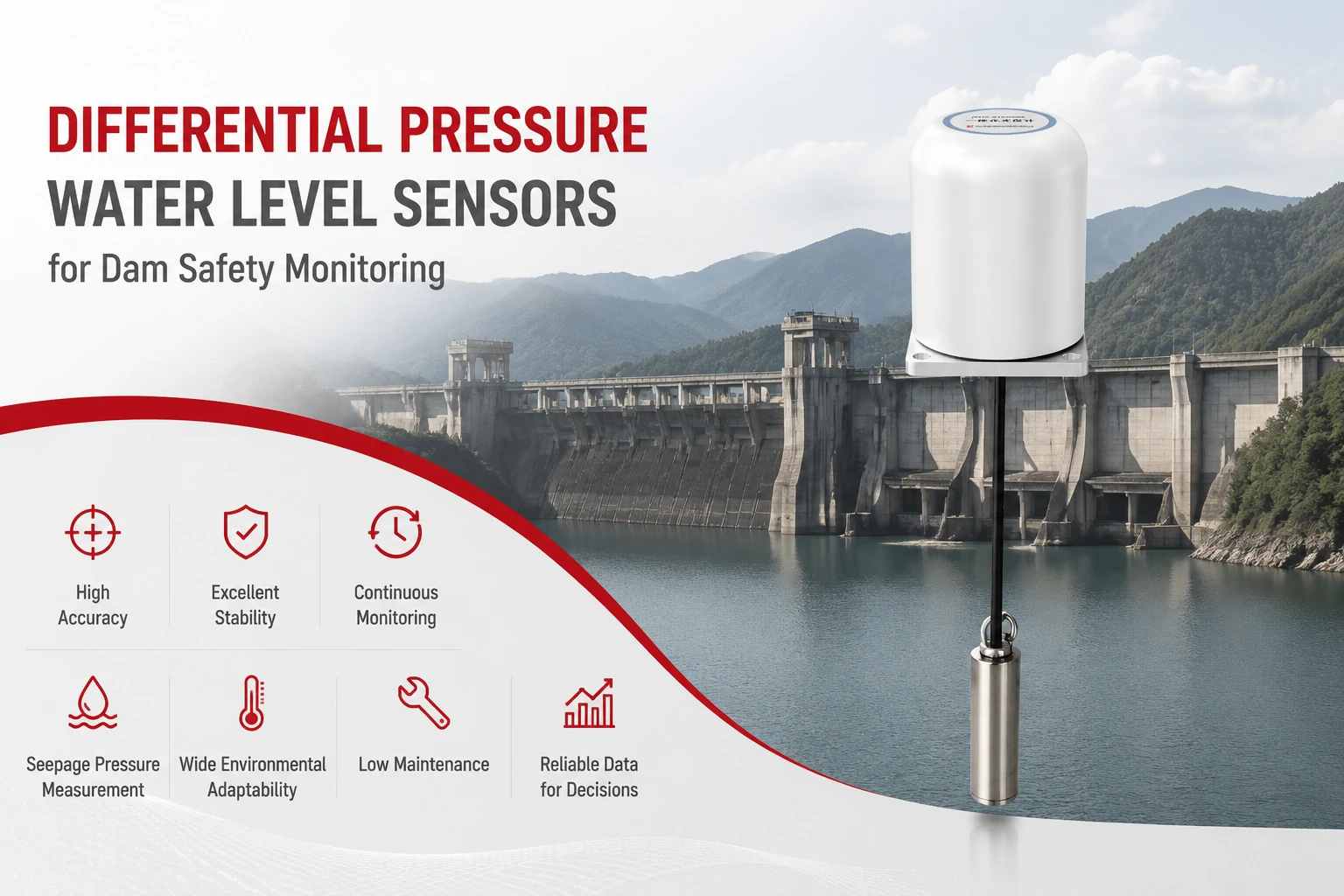
Key Takeaways The strongest fit is usually a confined, submerged, or s...
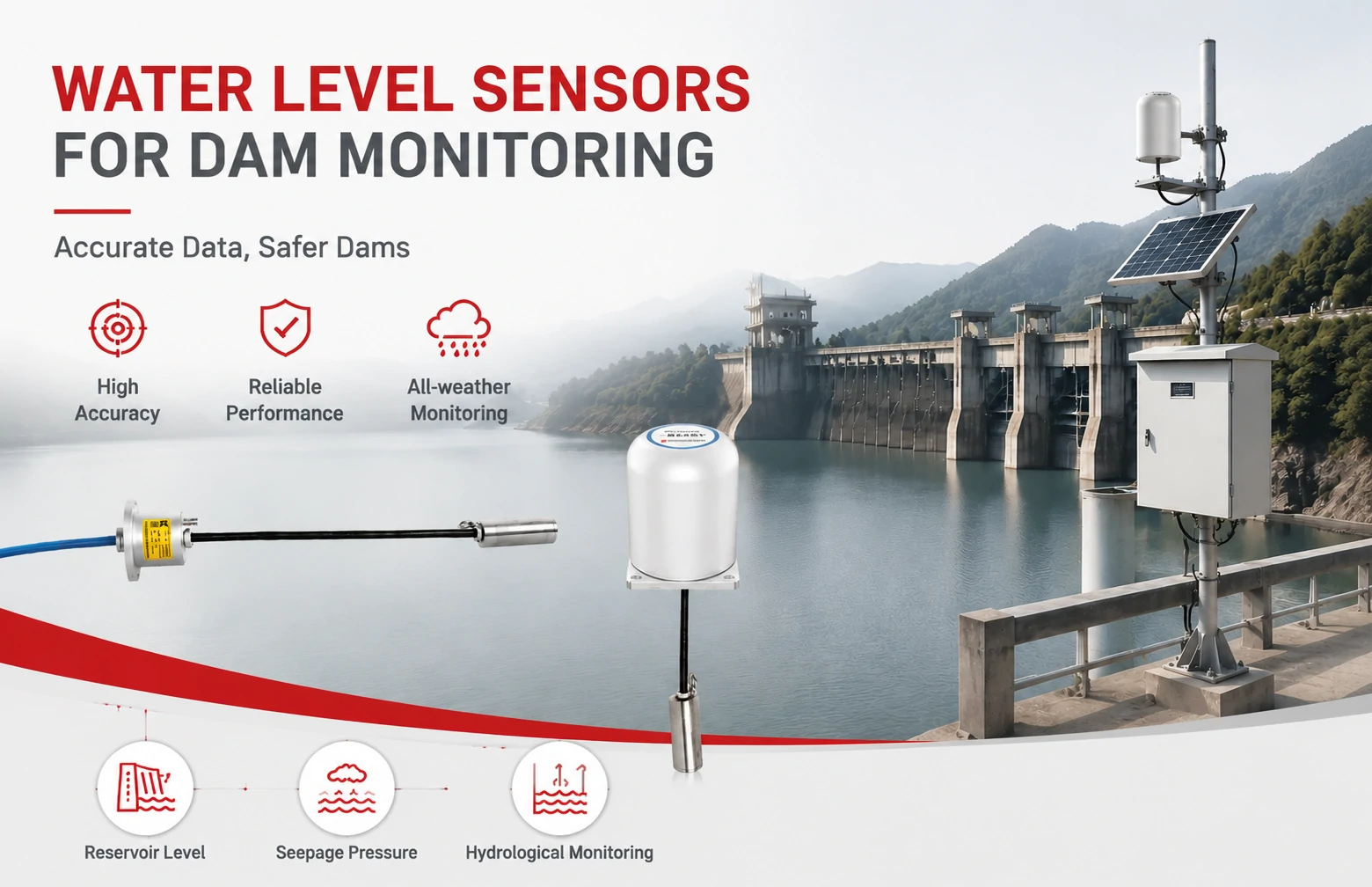
Kingmach Water Level Sensors for Dam Monitoring: A Buyer's Guide to Differential Pre...
Products
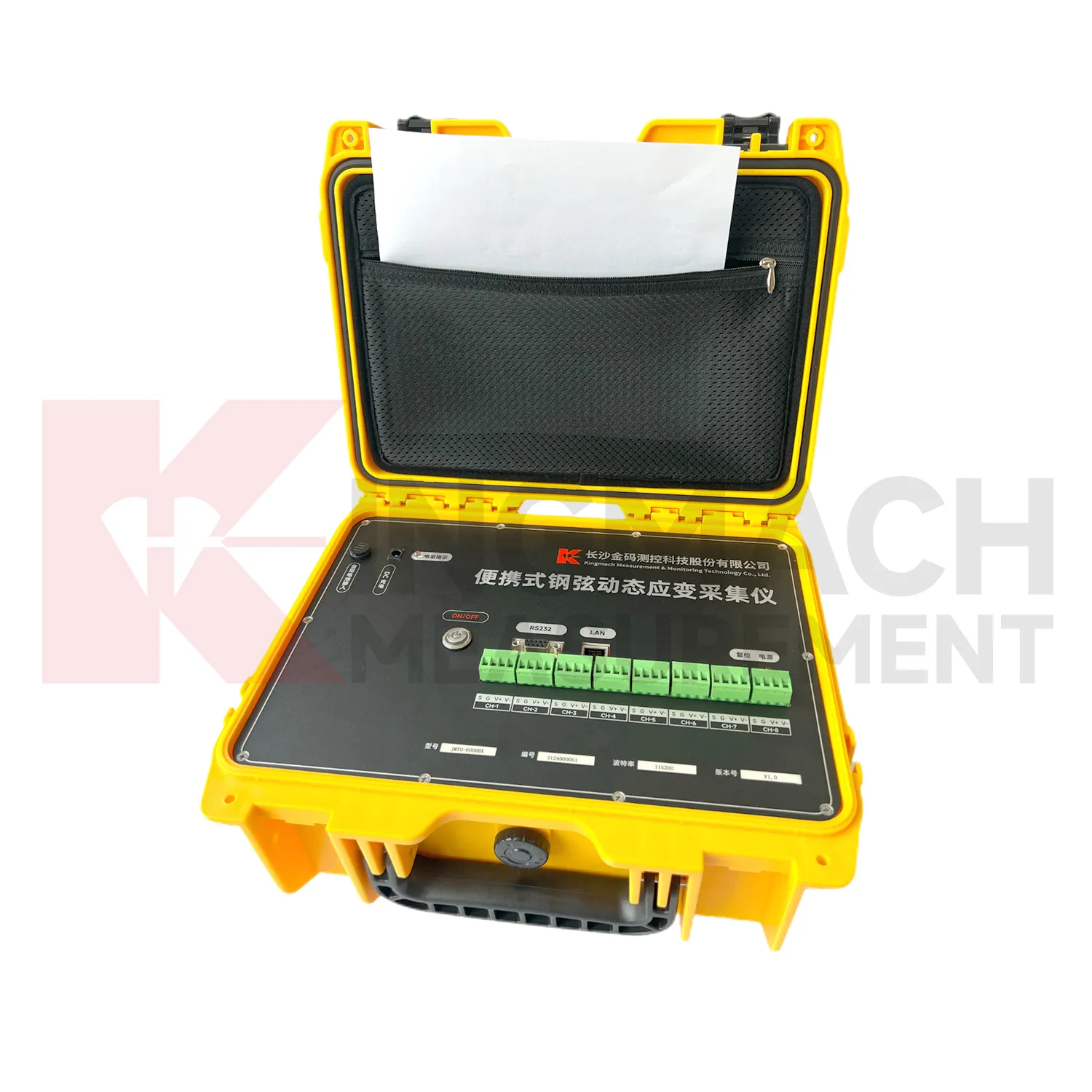
Portable Vibrating Wire Dynamic Strain Acquisition Readout JMYD-6008BX
View Details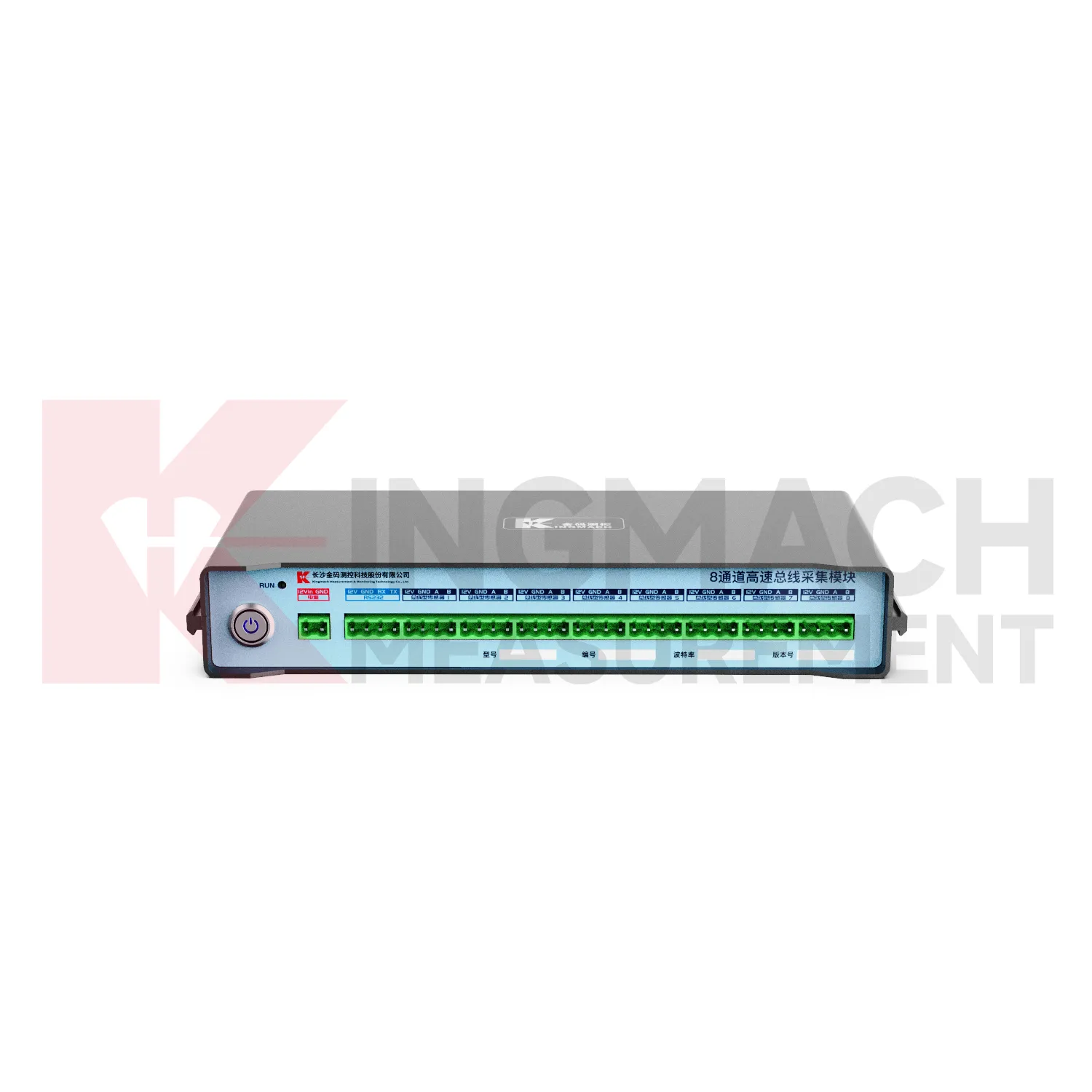
8-channel high-speed bus acquisition module JMJK-8DH
View Details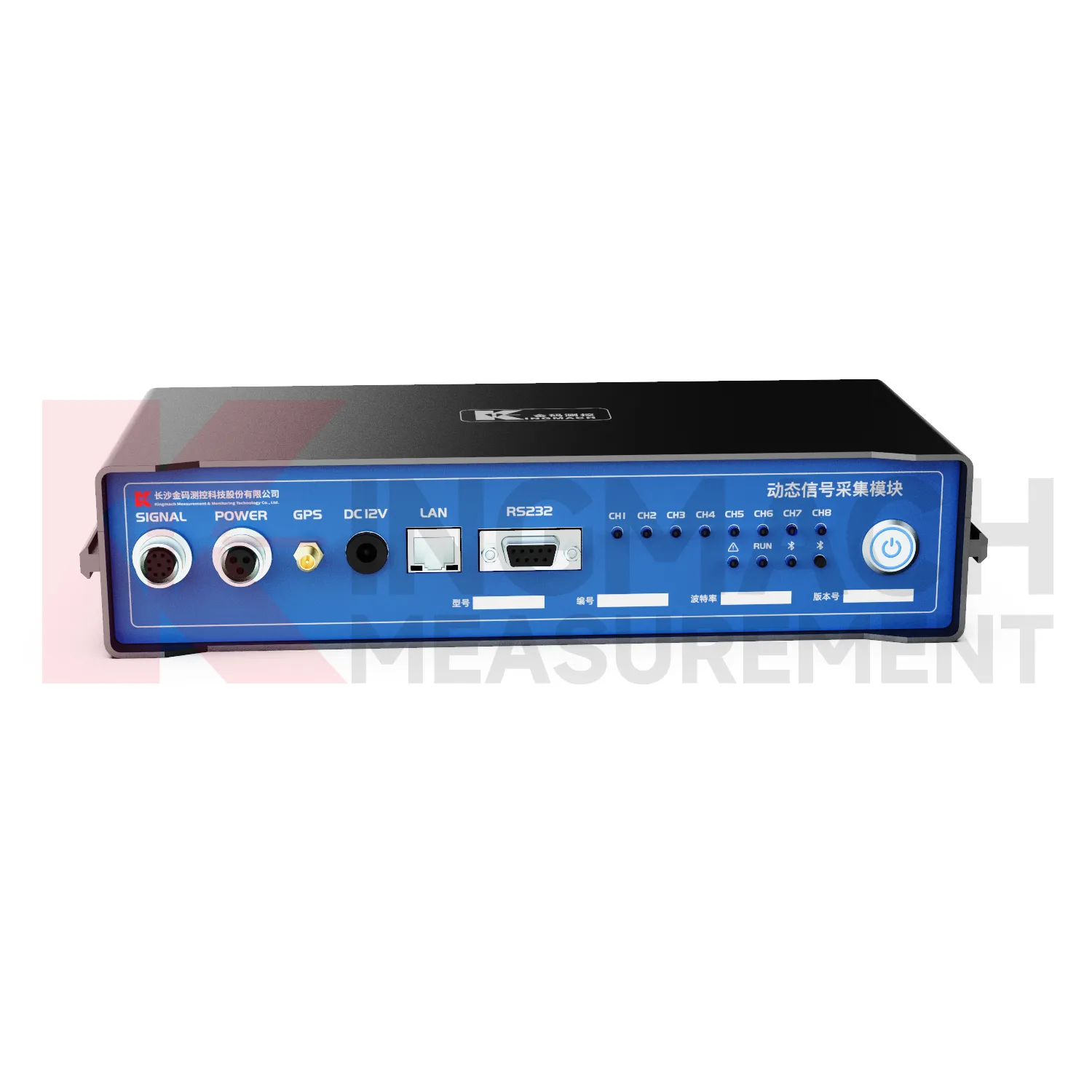
Dynamic signal acquisition module JMYD-1008XC
View DetailsFAQ
The host reads analog signals directly (0–5V, 4–20mA) and digital bus protocols including RS-485 Modbus RTU and CAN. This coverage means you can connect most vibrating wire readouts, MEMS sensors, and weather instruments without extra converters.
Yes, that’s the whole point of a distributed architecture. You’re not tied to one brand. As long as the sensor outputs a supported signal type, the host can read it. We regularly help clients integrate third-party piezometers, strain gauges, and tiltmeters into a single dashboard.
The host uses either GPS pulse-per-second signals or NTP over the network to align timestamps. That way, when you’re comparing data from boreholes 500 meters apart, the time correlation is accurate to within a few milliseconds.
Readings are saved to an internal 32GB industrial flash module (retaining data even if power cuts). For live monitoring, the host streams data over MQTT or Modbus TCP to local servers or the Kingmach cloud platform. You can also pull historical data via USB or FTP when on site.
Yes. The host runs from 12V or 24V DC and typically draws less than 10W, so a mid-sized solar panel and battery can keep it going. The Linux-based OS allows you to set low-power modes during intervals between sampling, which helps in off-grid locations.
Share your product type, target capacity, and application requirements. Our team can review the details and recommend a practical next step.
If you are interested in our products or want to become our partner.
Please leave your contact information, our team will contact you as soon as possible.
Mail: [email protected]
Contact Us: +8613808434127
Address: No. 188 Tongzipo West Rd, Changsha, Hunan, China