
 EN
EN
 ar
ar bg
bg hr
hr cs
cs da
da nl
nl fi
fi fr
fr de
de el
el hi
hi it
it ko
ko no
no pl
pl pt
pt ro
ro ru
ru es
es sv
sv tl
tl iw
iw id
id lv
lv lt
lt sr
sr sk
sk sl
sl uk
uk vi
vi et
et hu
hu th
th tr
tr fa
fa ms
ms hy
hy ka
ka ur
ur bn
bn mn
mn ta
ta kk
kk uz
uz ku
ku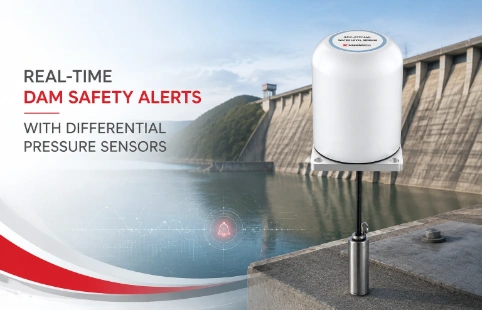
Real-Time Dam Safety Alerts with Differential Pressure Water Level Sensors
Key Takeaways An alert chain needs more than a sensor: define field in...

Displacement Transducers: Precision Where It Counts
Most field engineers know the frustration: a sensor that looked fine in the lab starts to drift after a few months of sun, rain, and thermal cycles. Kingmach builds displacement transducers for these conditions. We focus on stable, repeatable measurements in geotechnical and structural monitoring—whether that’s tracking 0.1 mm crack growth on a tunnel lining or 500 mm of settlement behind a new embankment. Our range covers potentiometric, LVDT, and draw-wire types, selected for the specific site conditions rather than a one-size-fits-all approach. Customers tell us they appreciate the straightforward setup and the ability to match the electrical output to their existing data loggers, with support that doesn’t end at the shipping dock.
Technical Detail
Kingmach’s displacement transducers are used in monitoring networks that demand long-term stability and minimal maintenance. Rather than pushing a single technology, we supply different sensing principles depending on the measurement range, environment, and budget. Potentiometric sensors offer a cost-effective solution for moderate precision over short spans, while LVDT-based units are preferred where friction-free operation and long life are critical—often in laboratory setups or permanent structural monitoring. Draw-wire transducers cover large displacements without needing a perfectly parallel mounting surface, which simplifies installation on retaining walls or landslide zones. Across the lineup, you’ll find practical details that speed up integration: selectable 4-20mA, 0-10V, or RS485 signaling; standard or custom cable lengths; and mounting accessories that can be adapted for concrete, steel, or geotechnical boreholes. We don’t treat customization as a special request—it’s part of how we work. If an off-the-shelf unit doesn’t fit, our engineering team will adjust the mechanical fitting, output scaling, or environmental sealing to match the project. With distribution partners in several regions, technical questions and after-sales support are usually handled locally, which cuts down on downtime when a sensor needs recalibration or replacement.
News
Key Takeaways An alert chain needs more than a sensor: define field in...
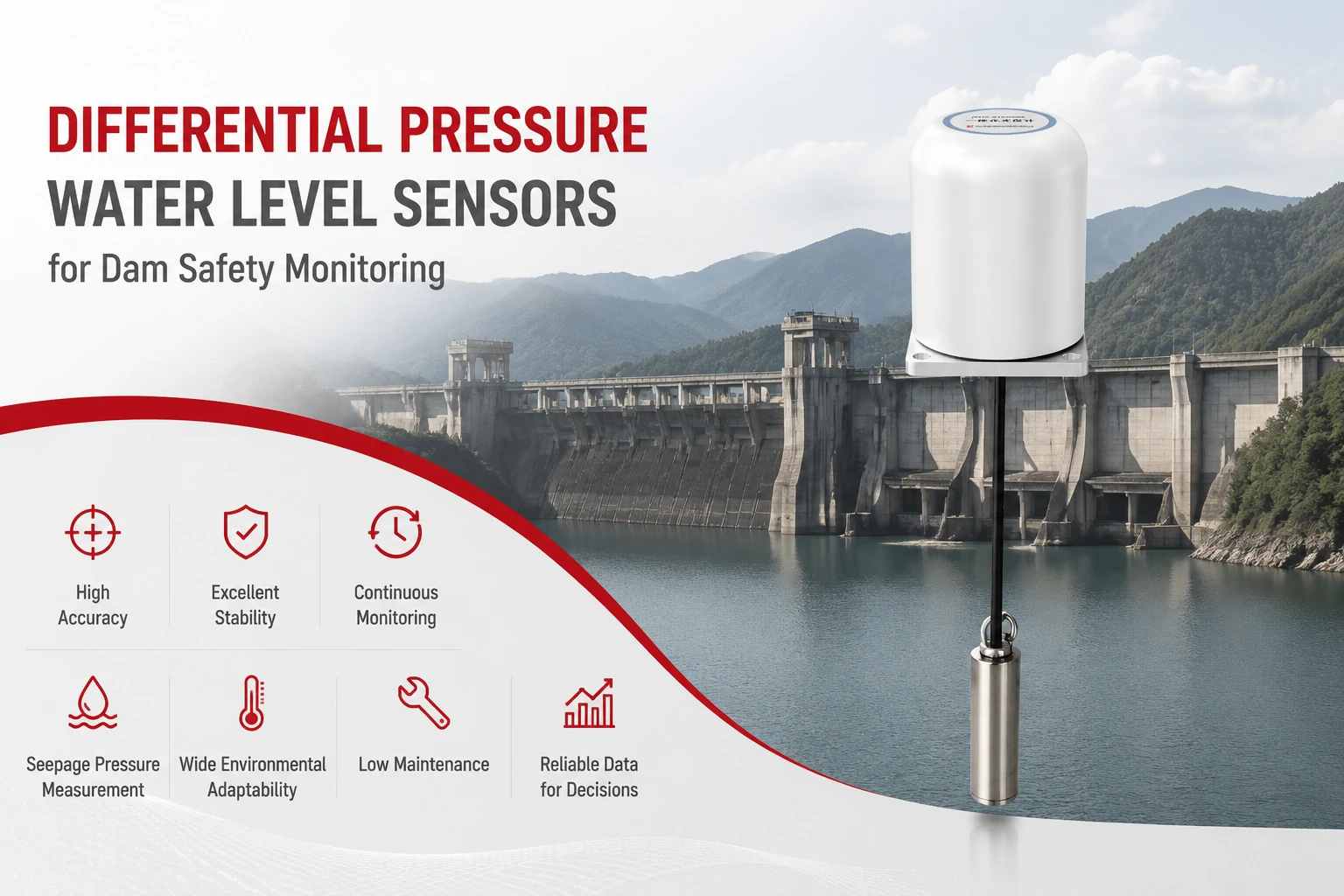
Key Takeaways The strongest fit is usually a confined, submerged, or s...
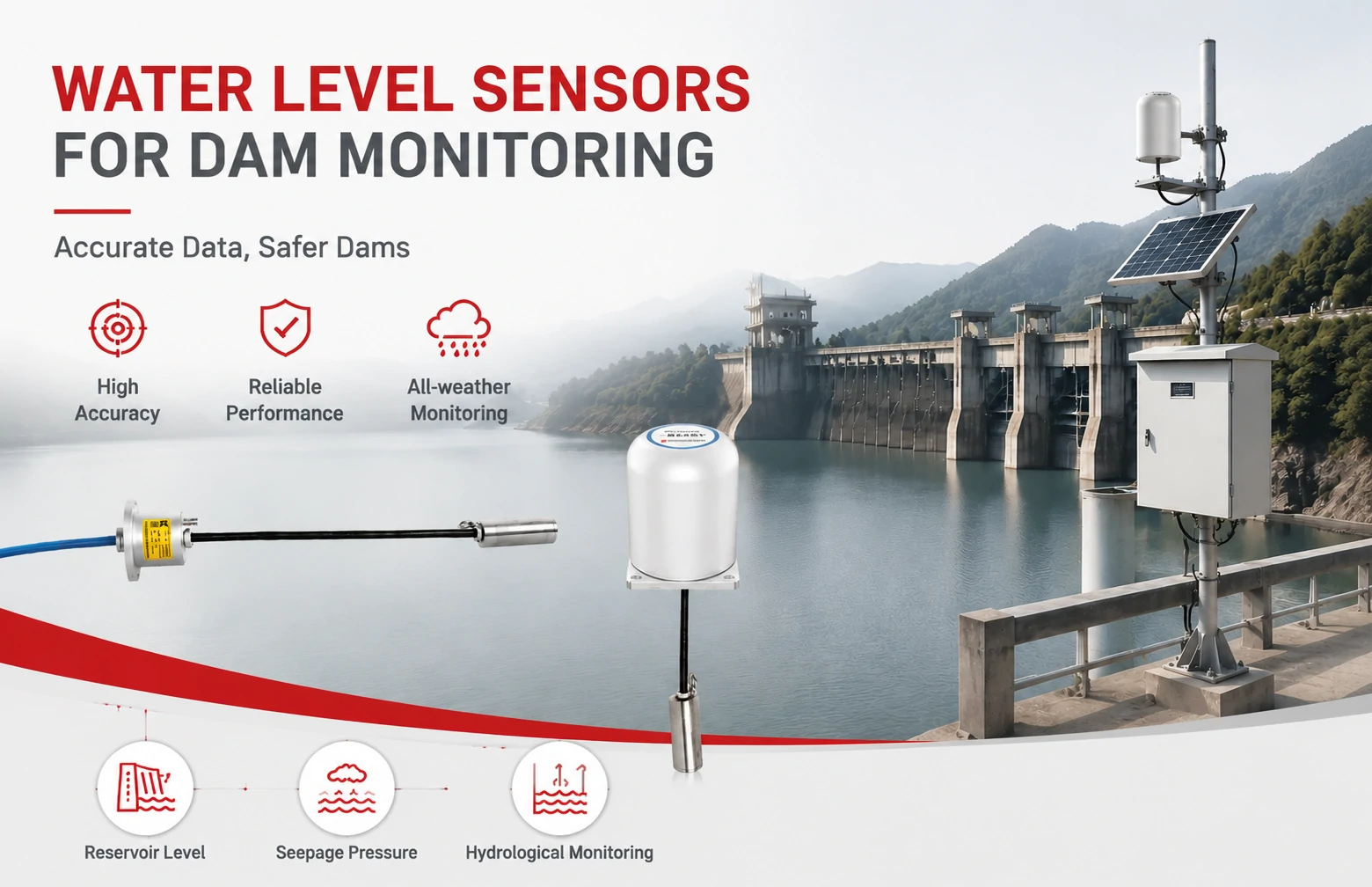
Kingmach Water Level Sensors for Dam Monitoring: A Buyer's Guide to Differential Pre...
Products
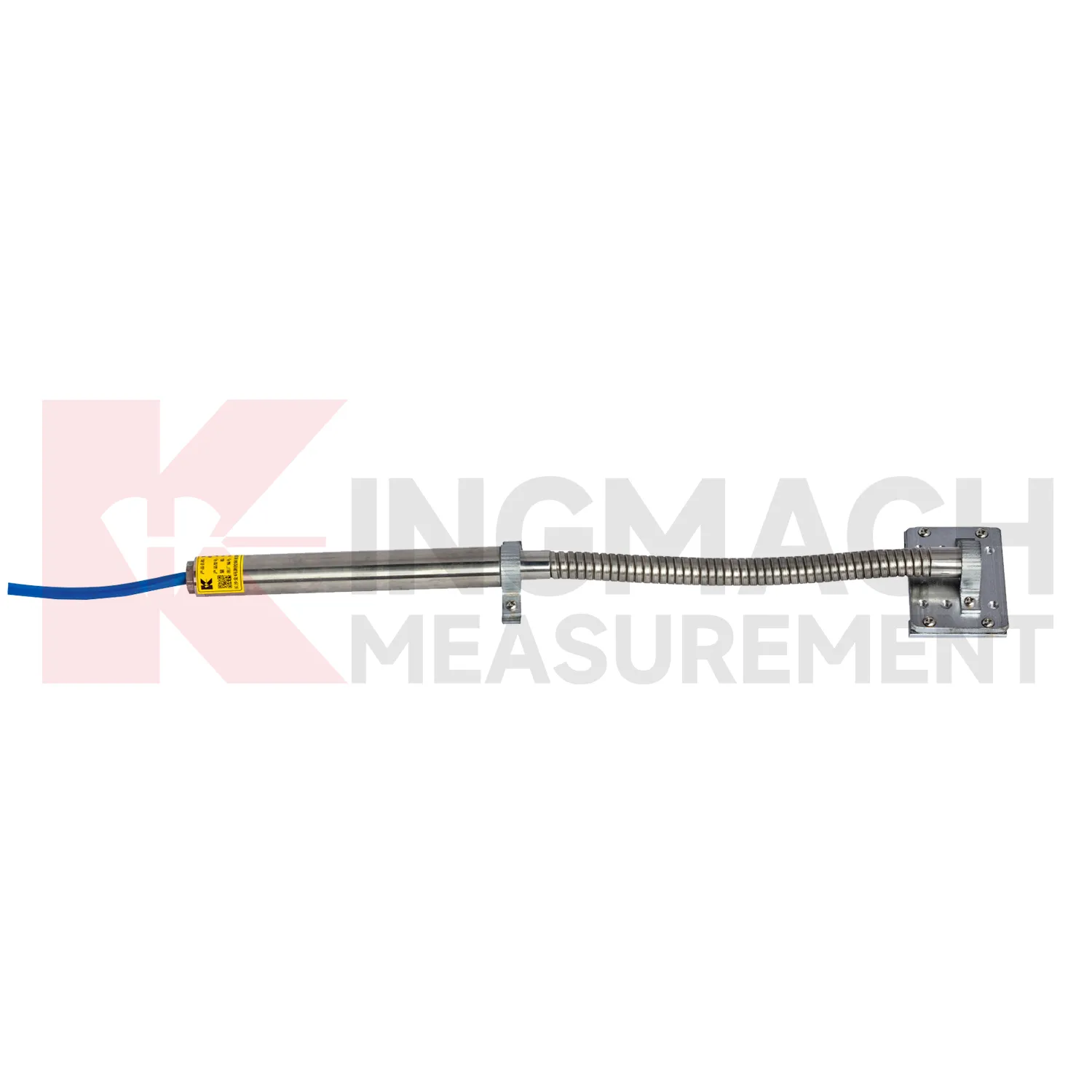
Smart Flexible Displacement Meter JMDL-24XXAT
View Details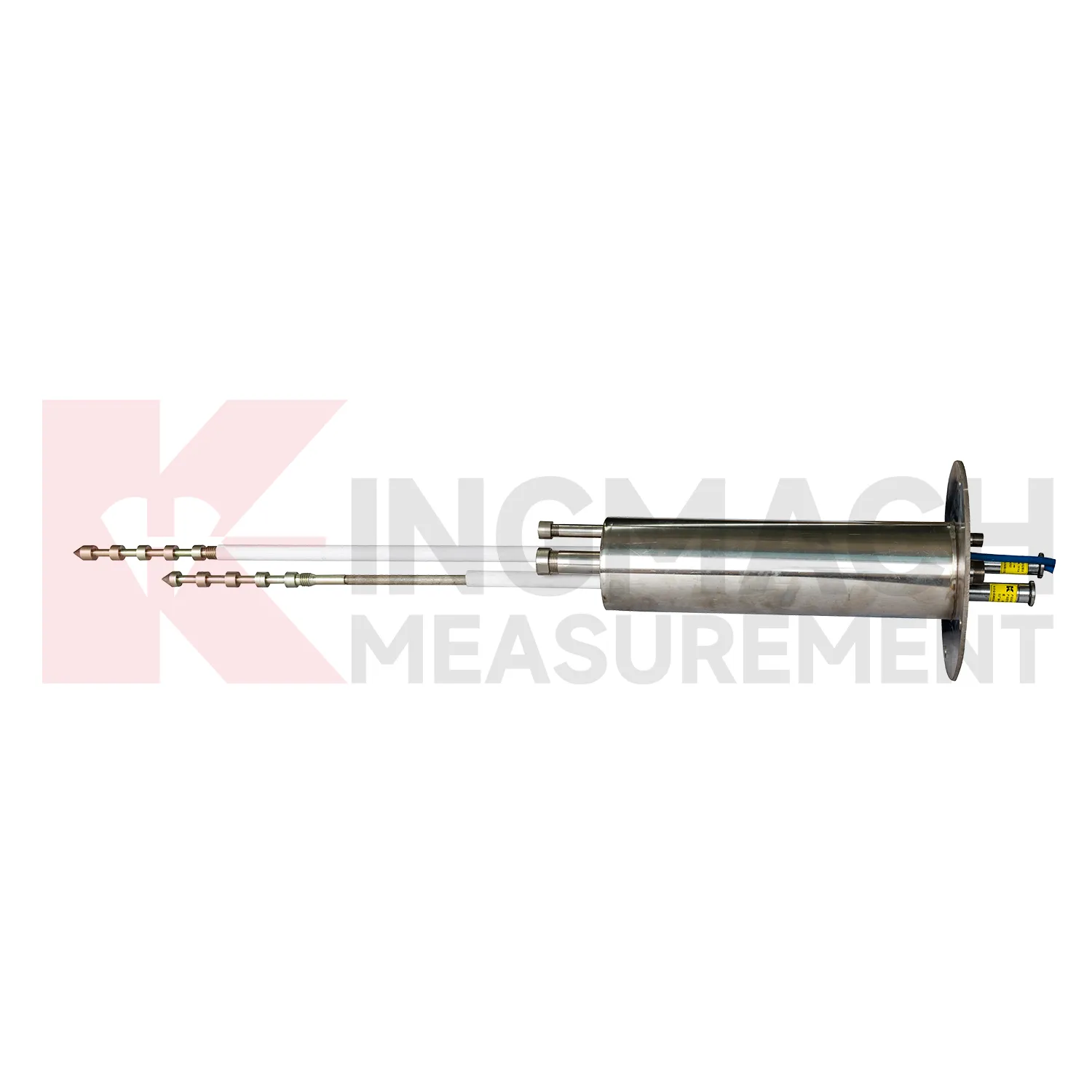
Smart Multipoint Displacement Meter JMDL-31XXAT
View Details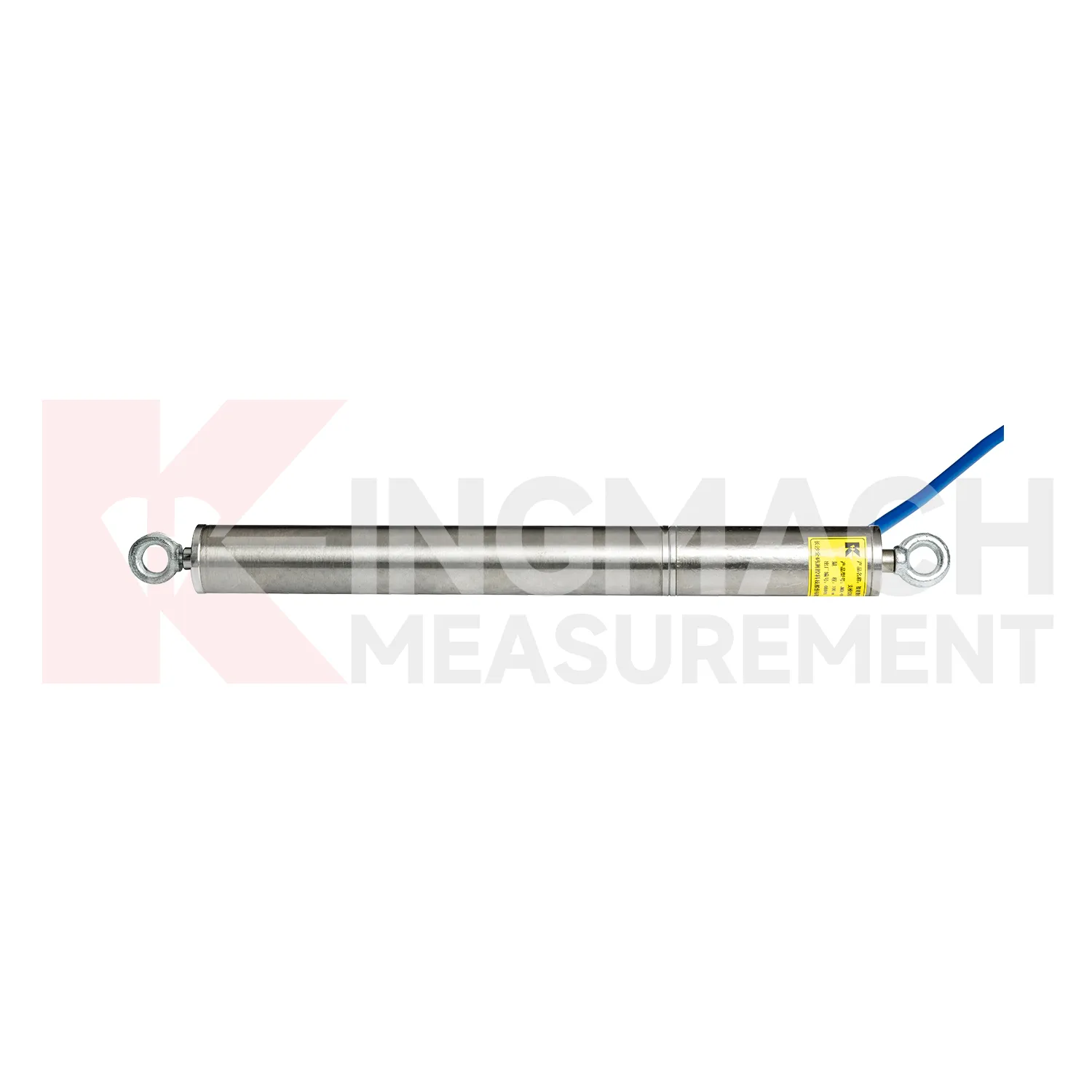
Smart Formwork Displacement Meter/ Steel Wire Displacement Meter JMDL-49XXAT
View DetailsFAQ
LVDTs excel in short-range, high-precision applications like crack monitoring or material testing, where friction-free movement matters. Draw-wire sensors handle larger displacements—often several meters—and are easier to mount where alignment isn’t perfect, such as on slope inclinometers or retaining walls. Budget also plays a role: draw-wire units are generally more affordable for long measurement spans.
Yes, we regularly configure sensors with 4-20 mA, 0-10 V, or RS485 digital outputs. If your data acquisition system uses a different protocol, we can discuss modifications, though simple changes are usually quicker to deliver than fully bespoke signal conditioning.
Many of our standard units carry IP65 or IP67 ratings, suitable for outdoor use and temporary submersion. For permanent underwater installations or corrosive environments, we can add thicker housings, special cable glands, or vented cables. We will ask about the specific exposure to make sure the right sealing is specified.
Every transducer leaves our facility with a calibration certificate traceable to national standards. For drift-sensitive projects, we recommend periodic recalibration—typically once a year for critical measurements. Our local partners can often handle recalibration checks, or you can return the sensor to us.
Almost certainly. We can match the excitation voltage and output range to most loggers on the market. Just share the manual or pin assignment of your logger, and we’ll configure the transducer accordingly.
Share your product type, target capacity, and application requirements. Our team can review the details and recommend a practical next step.
If you are interested in our products or want to become our partner.
Please leave your contact information, our team will contact you as soon as possible.
Mail: [email protected]
Contact Us: +8613808434127
Address: No. 188 Tongzipo West Rd, Changsha, Hunan, China